

Give your favorite pens a smoother page
Nanami Cafe Note Notebook Review
A direct Nanami Paper CTA for the Cafe Note B6 Slim ruled Tomoe River notebook.
This refreshed Nanami Cafe Note Notebook Review turns the original video transcript into a practical buying guide with clearer structure, screenshots, comparison notes, and a current CTA path. The goal is to help readers decide whether this notebook still fits their workflow today.
The original review showed the product in hand, opened on camera, and discussed the details that matter most: size, cover, paper, binding, layout, and everyday usability.
Quick verdict
The Nanami Cafe Note is best for writers who want Tomoe River paper, slim B6 carry, and high page count in a compact writing notebook. It is not the most universal choice for every person, but it makes sense when its format matches your planning or journaling routine.
| Product | Nanami Cafe Note |
|---|---|
| Best for | journaling, fountain pen testing, long-form notes, and portable writing |
| CTA path | Direct Nanami Paper product URL because no exact Amazon product link was present |
| Main strength | Thin Tomoe River paper in a compact high-page-count notebook |

Design and first impression
The first impression is important because a notebook or planner only works if you want to reach for it. Cover texture, size, weight, elastic closure, and how the pages sit together all influence daily use.
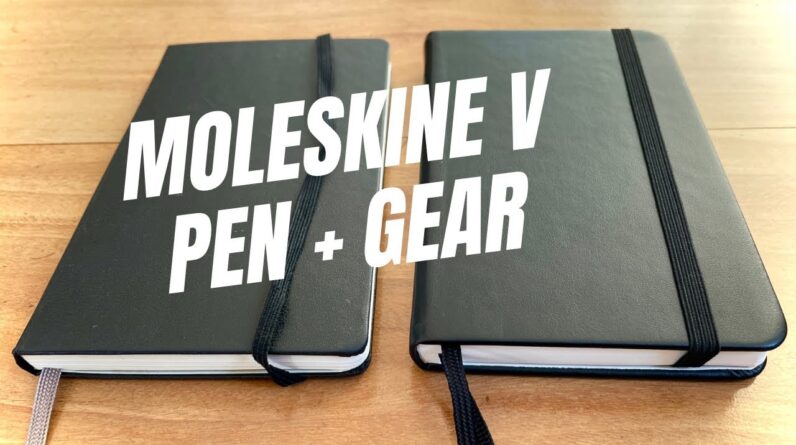
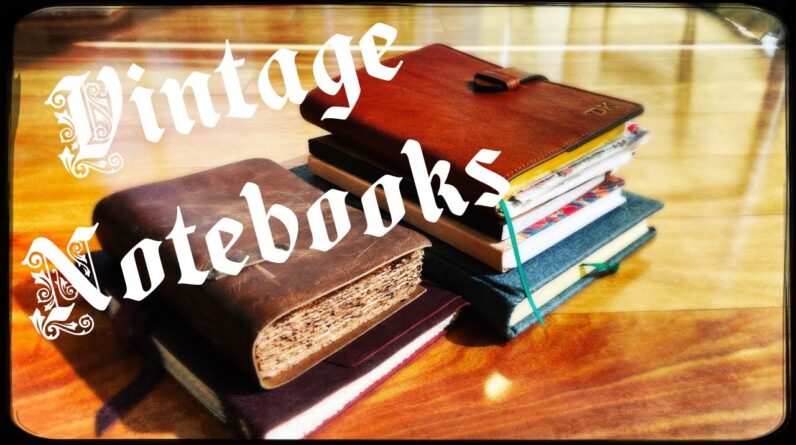
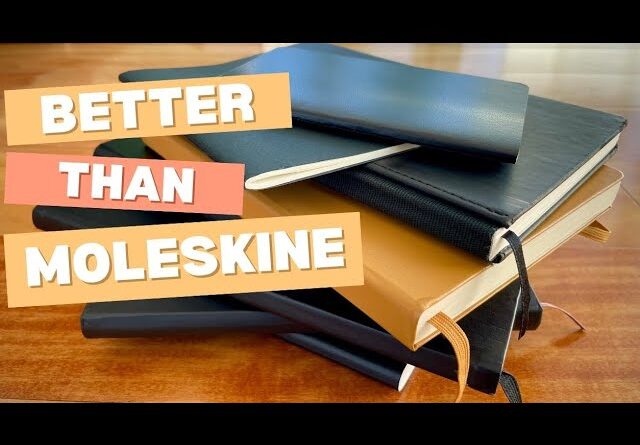
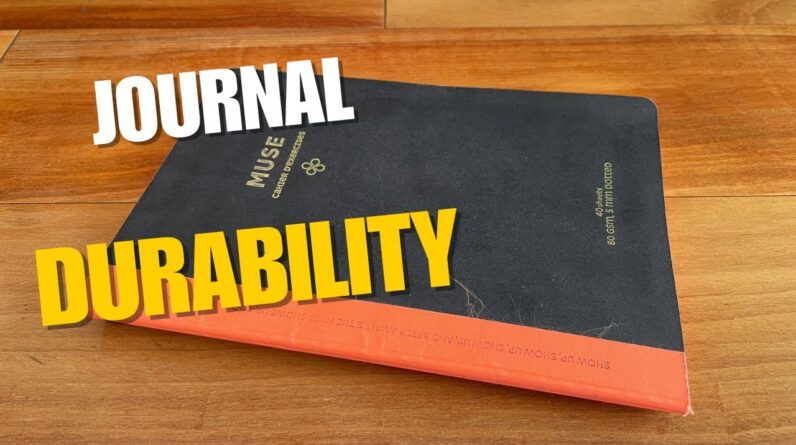
For this review, the screenshots preserve the real handling moments from the video rather than relying on generic product photos.

Layout and writing experience
The layout determines whether the product supports your intended routine. A planner needs enough structure without becoming fussy. A notebook needs page space, comfortable paper, and a size that suits where you write.
For pen choice, ballpoints, pencils, and gel pens are the safest starting point. Fountain pen users should test a back page first, especially with wetter inks.

Carry use and durability
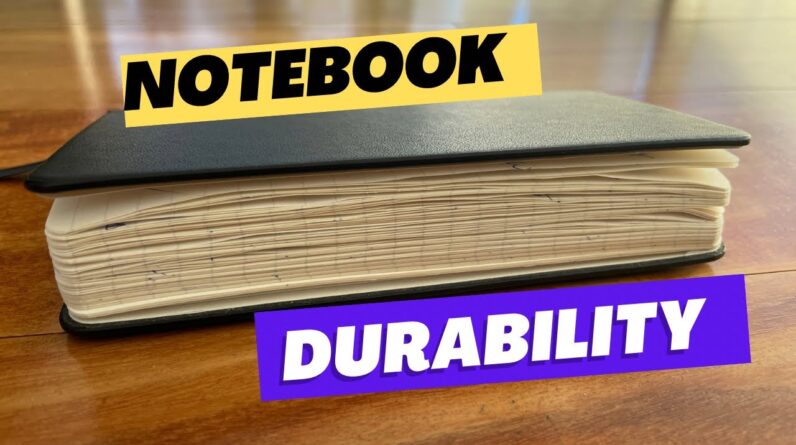
Daily carry durability comes down to corners, spine, elastic, page block, and whether the cover still feels good after being moved around in a bag. Normal wear is not a failure; the question is whether the product stays pleasant and functional.
If you plan to carry it every day, keep it away from keys, cables, and chargers. A dedicated pocket or sleeve can preserve the cover without making it inconvenient.

Pros and cons
| Pros | Cons |
|---|---|
|
|
Who should buy it?
Buy the Nanami Cafe Note if you want a slim B6 Tomoe River notebook for serious writing in a portable format. It is a strong option for people who know how they will use it before the first page.
Skip it if you need heavy art paper, a completely different size, or a layout style that conflicts with your routine.

Buying advice
The original post used Nanami Paper directly, so the refreshed CTA keeps readers on the most accurate product page instead of forcing a generic Amazon search.
Before ordering, check current photos, page count, dimensions, ruling or layout, cover color, and return policy. Older product links can lead to changed listings, so the final product page should always be checked.

Practical setup tips
Give the product one job at the start: weekly planning, daily notes, travel planning, reading notes, project capture, or long-form journaling. A clear purpose makes the first page easier and prevents the book from becoming a miscellaneous dumping ground.
Add a small index, date range, or monthly reference page if the format does not already include one. That turns the product into something you can search later.
How the Cafe Note fits real writing
The Nanami Cafe Note is best understood as a compact serious-writing notebook. It is smaller than an A5 Seven Seas style book, but it still gives a lot of pages because the paper is thin. That makes it useful for journaling, project notes, travel logs, or a long-term commonplace book.
The slim B6 feel is the main reason to choose it. It is easier to carry than a large notebook, but it still feels like a real writing book rather than a disposable pocket pad.
Paper and pen expectations
Tomoe River paper has a very specific feel: thin, smooth, and ink-friendly, with normal ghosting. Ghosting is not the same as bleed-through. Writers who love fountain pens often accept ghosting because the paper handles ink beautifully and lets a notebook hold many pages.
If you dislike seeing writing from the other side of a page, this may not be your ideal paper. If you value page count and smooth writing, the Cafe Note is much more compelling.
Best fit in a notebook stack
The Cafe Note pairs well with a larger desk notebook. Use the larger notebook for broad planning or messy drafts, then use the Cafe Note for a more portable journal, reading log, or focused long-form project. Its strength is carrying a serious amount of paper without feeling bulky.
Because the paper is thin, the notebook rewards thoughtful pen choice. A fine fountain pen, gel pen, or pencil can make it feel excellent. Very wet nibs may show through more than some users prefer.
Before you buy
Nanami stock and product pages can change. Confirm the exact B6 Slim ruled version, paper type, page count, and shipping details before ordering. If the Cafe Note is out of stock, wait for the right format rather than buying a random notebook that only looks similar.
That is why the Cafe Note is easiest to recommend to writers who already know they enjoy thin, high-page-count paper notebooks.
Practically, it is a specialist notebook.
FAQ
What should I check before buying this notebook?
Check current product photos, recent buyer feedback, and listing details for paper behavior with your pens, date range and planning layout, cover material and durability, ruling or interior format, daily workflow fit. For older review samples, the safest choice is the current notebook variant that matches your writing tools, page layout preference, carry size, and return-policy comfort.
What is this product best for?
It is best for journaling, fountain pen testing, long-form notes, and portable writing.
Should fountain pen users buy it?
Fountain pen users should test a back page first. Paper behavior depends on ink, nib width, and pressure.
Who should skip it?
Skip it if you need a different size, a different layout, or heavy mixed-media paper.
Final Thoughts
The Nanami Cafe Note is worth considering when its format lines up with your actual routine. It is less about chasing another notebook and more about choosing a tool you will use consistently.
For paper-focused writers, the Cafe Note remains a distinctive option because of its compact size and Tomoe River page count.
Give your favorite pens a smoother page
Nanami Cafe Note Notebook Review
A direct Nanami Paper CTA for the Cafe Note B6 Slim ruled Tomoe River notebook.