

Keep your notes in a classic everyday format
Moleskine Cahier Pocket Notebook
A slim, softcover pocket notebook that works well as an everyday carry, quick notes book, or compact journal.
This Moleskine Cahier Durability review looks at the pocket-size Cahier after about six to eight weeks of actual use. That is enough time to see how the soft cover, stitched binding, rounded corners, and page block handle everyday carrying, opening, closing, and writing.
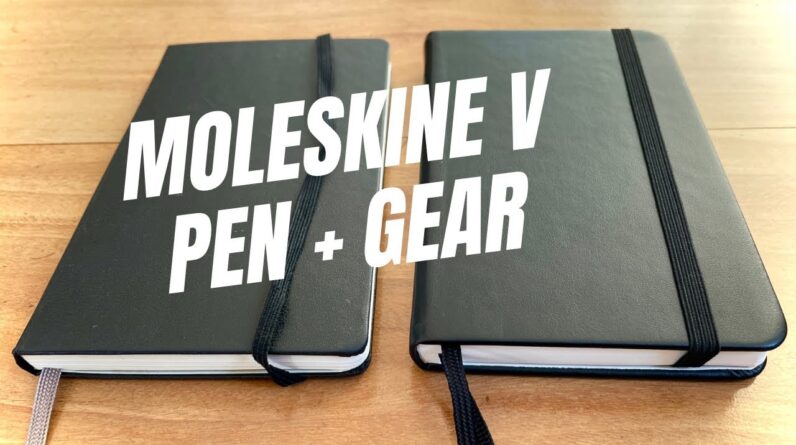
The version shown is the black pocket Cahier. It is a very simple notebook: flexible cardboard cover, stitched binding, cream pages, and the classic Moleskine-style minimal look. It is not meant to be a heavy archival journal. It is meant to be a light, compact notebook you can carry around and fill without overthinking it.
Quick verdict
The Moleskine Cahier held up well for a softcover pocket notebook. The main wear came from clipping a pen to the cover, but the binding stayed intact, the pages did not fall out, and the cover still looked clean after regular use. It is not indestructible, and the paper is not the best choice for heavy fountain-pen users, but as a slim everyday pocket notebook it does its job nicely.
| Notebook type | Softcover pocket cahier notebook |
|---|---|
| Best for | Everyday carry, quick notes, lists, pocket journaling, travel notes, and casual planning. |
| Cover | Flexible black cardboard-style cover. |
| Binding | Stitched binding with a slim flexible spine. |
| Paper | Cream Moleskine paper; practical for everyday pens but not ideal for wet ink. |
| Main limitation | The soft cover can show clip marks and wear more easily than a hardcover notebook. |

Softcover durability
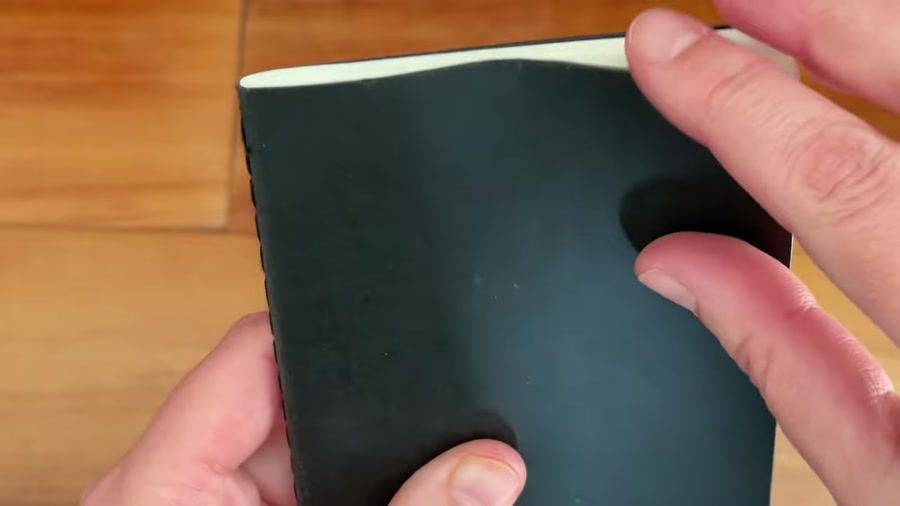
The first thing to notice is that the notebook does not look heavily damaged. For something this thin and flexible, that is a good sign. Softcover pocket notebooks can get bent, crushed, or scuffed quickly if they live in a bag or pocket. This one shows use, but not in a way that makes it feel worn out.
The most visible mark is at the top of the cover, where a pen clip was tucked over the edge. That left a small area of wear. It is exactly the kind of mark you would expect from clipping a pen to a cardboard-style cover. It does not ruin the notebook, but it is a reminder that the Cahier is not a hard protective shell. If you clip pens to it, the cover will probably show that.
Binding and page block
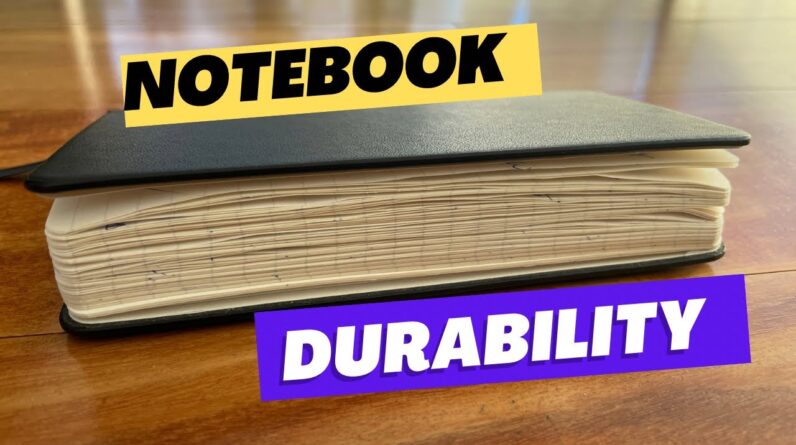
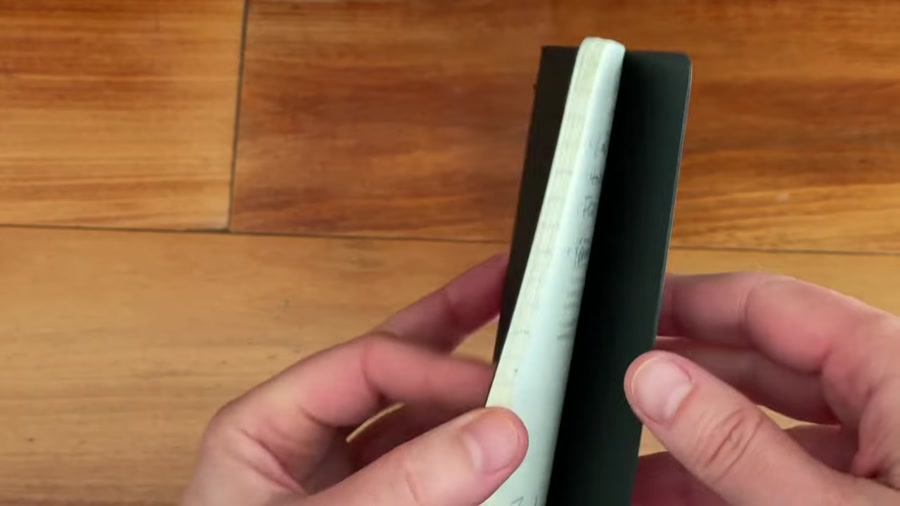
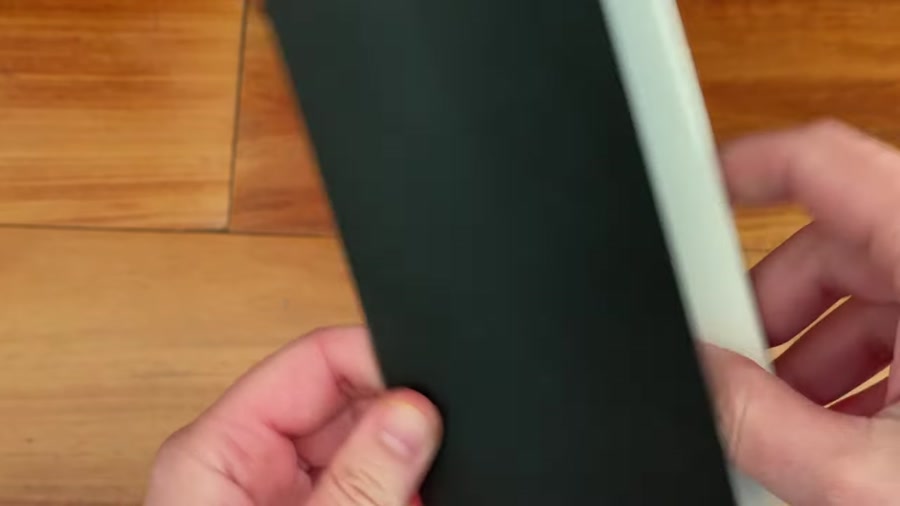
The most important durability question is whether the pages stay secure. On this notebook, they did. The stitched binding was still intact after the notebook had been filled, and the page block still felt together. That matters because a small pocket notebook gets opened constantly, often one-handed, and the spine takes a lot of stress.
The Cahier is not a lie-flat desk notebook in the same way a spiral or stitched hardcover might be, but the flexible spine makes it easy to handle. It bends naturally and does not feel stiff or fragile. For quick notes, that flexibility is a strength. You can hold it, fold it slightly, and write in it without needing a perfect desk setup.
Pages and writing use
The notebook in the video was filled over a fairly short period, around six to eight weeks. That suggests it was used regularly rather than left on a shelf. The filled pages show the real purpose of the Cahier: quick writing, lists, notes, planning, and day-to-day capture.
Moleskine paper is always a matter of expectations. It is comfortable for ballpoints, pencils, many fineliners, and everyday pens, but it is not the paper I would choose for heavy wet ink. If your main writing tools are fountain pens, broad gel pens, or markers, you may want something heavier. If you use practical everyday pens, the Cahier is fine for its intended purpose.

Everyday carry strengths
The best thing about the Moleskine Cahier is how low-friction it is. It is thin, lightweight, and not too precious. That makes it easier to actually use. Some notebooks feel too nice, too heavy, or too formal for messy daily notes. The Cahier has the opposite personality: it invites quick writing.
The pocket size is especially useful if you want a notebook in a coat pocket, small bag, desk drawer, travel pouch, or car. It is also a good choice if you go through notebooks quickly and do not want every single one to feel like a major investment. The durability is good enough for normal use, but the format still feels disposable in the best practical sense.
How it compares to a hardcover pocket notebook
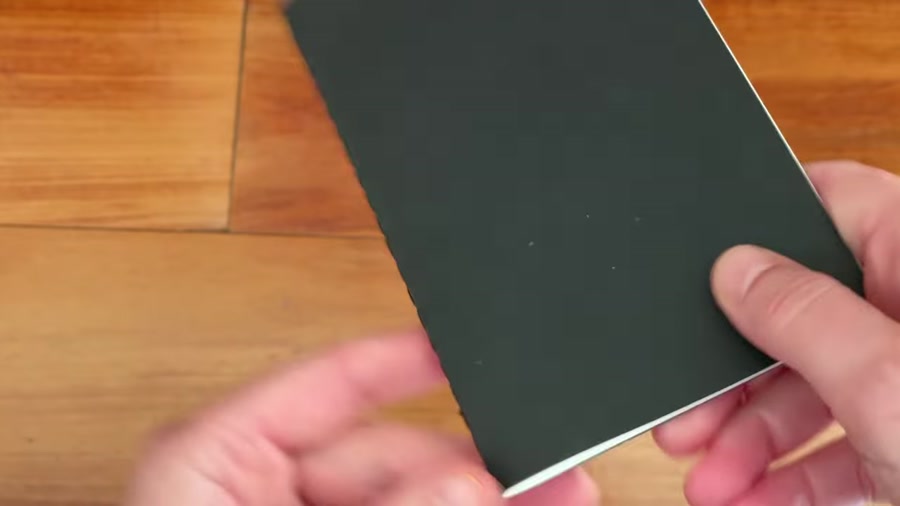
Compared with a hardcover pocket notebook, the Cahier is easier to carry and less bulky. It slips into places a hardcover may not, and it feels more casual. The tradeoff is protection. A hardcover notebook will protect pages better, resist bending more, and usually feel more substantial.
That makes the Cahier better for quick capture than long-term preservation. If you want a small notebook to archive important writing, a hardcover may be smarter. If you want something light enough to keep with you and fill quickly, the Cahier makes more sense.
Pros and cons
| Pros | Cons |
|---|---|
|
|
FAQ
Is the Moleskine Cahier durable?
For a softcover pocket notebook, yes. In this durability update, the binding stayed intact and the notebook remained usable after being filled over several weeks.
Does the Moleskine Cahier cover wear easily?
It can show wear, especially if you clip a pen to the cover or carry it loosely. The wear shown here was minor and mostly cosmetic.
Is the Moleskine Cahier good for fountain pens?
It is not the best choice for heavy fountain-pen use. The paper is better suited to everyday pens, pencils, ballpoints, and lighter writing tools.
Who should buy the pocket Cahier?
It is best for people who want a slim, lightweight notebook for quick notes, lists, travel, everyday carry, or casual journaling.
Final Thoughts
The Moleskine Cahier is a simple notebook, and that is the point. It is not trying to be a luxury journal or a heavy-duty field notebook. It is a slim pocket book for everyday writing, and after several weeks of use it held up well enough to recommend for that role.
If you want a lightweight notebook you can carry, fill, and replace without fuss, the Cahier is still a useful option. If you want maximum protection, premium paper, or a notebook that stays pristine, choose something sturdier. For quick capture and everyday carry, though, the Cahier remains easy to like.
Keep your notes in a classic everyday format
Moleskine Cahier Pocket Notebook
A slim everyday carry notebook that held up well through normal pocket-notebook use.