

Choose a journal you’ll actually want to fill
Victoria’s Journals Cahier-Style Notebook
A lightweight A5 softcover notebook with bold orange paper, stitched binding, and a casual everyday writing feel.
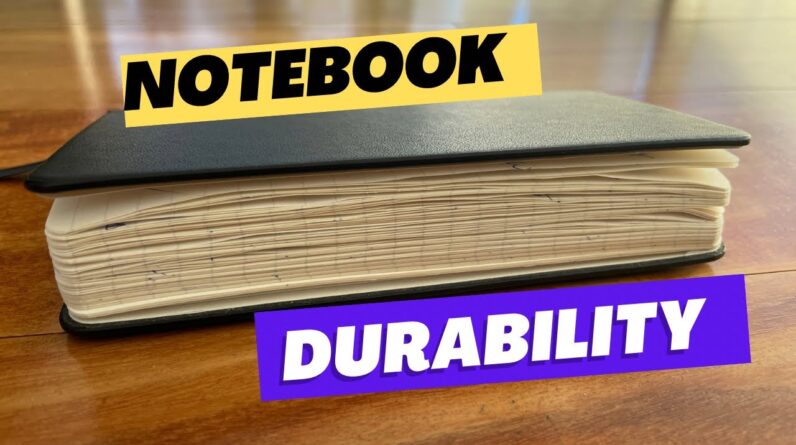
This Victoria’s Journal Durability review looks at an A5 cahier-style softcover notebook after several weeks of real use. This is the useful follow-up kind of notebook review: not just what the journal looks like brand new, but how the cover, binding, spine tape, and pages hold up after being carried around, opened repeatedly, written in, and treated like an everyday notebook.
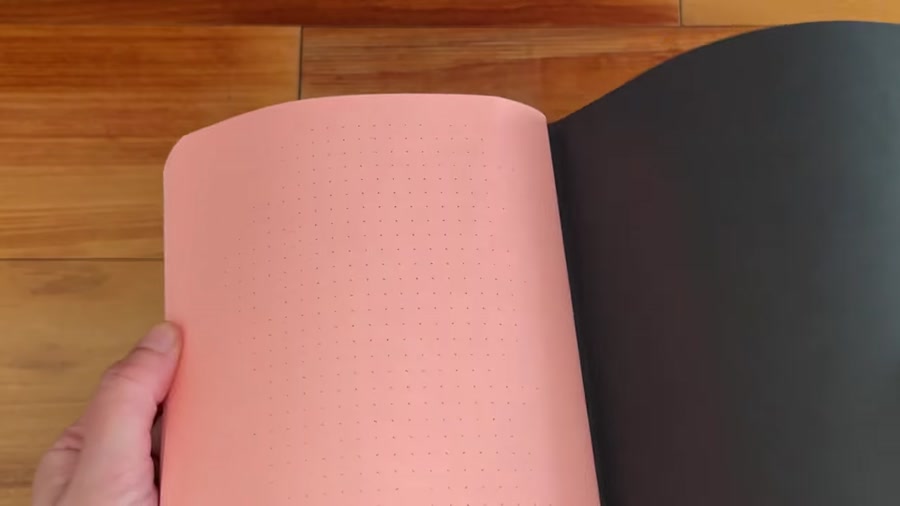
The notebook shown is from Victoria’s Journals. It has a black soft cover, a bright orange spine, and matching orange pages. The format is simple and lightweight rather than luxurious. It feels like the kind of notebook you can throw into a bag for daily notes, lists, quick journaling, or casual bullet-journal-style planning without feeling too precious about it.
Quick verdict
Victoria’s Journal held up better than expected for a softcover cahier notebook. The stitched binding remained intact, the reinforced cloth-style spine tape was still doing its job, and the cover only showed normal minor wear. The orange paper gives the notebook personality, though it will not suit everyone. If you like lightweight notebooks with a bit of color and do not need heavy fountain-pen paper, it is a pleasant everyday journal.
| Notebook type | A5 cahier-style softcover notebook |
|---|---|
| Best for | Everyday notes, casual journaling, lists, light planning, and portable writing. |
| Cover | Flexible black soft cover with orange spine detail. |
| Paper | Orange dot-grid paper, described in the review as around 80 gsm. |
| Binding | Stitched binding with reinforced cloth-like spine tape. |
| Main caution | The colored paper and softcover format are charming, but not as formal or protective as a hardcover journal. |
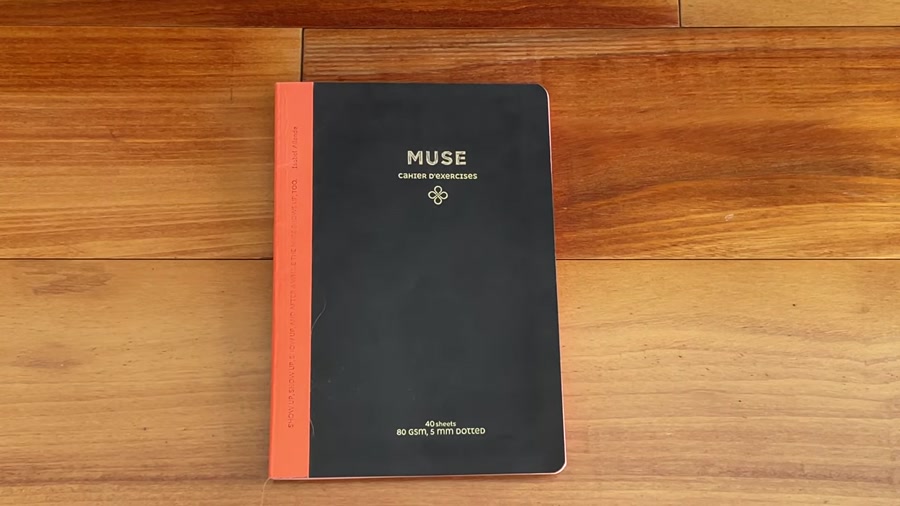
Softcover design and first impression
The strongest visual feature is the color. The orange pages and orange spine make the notebook feel more playful than a standard cream or white-paper journal. That is a big part of its appeal. It does not look like a serious office notebook; it feels more like a casual personal notebook that invites quick writing.
The softcover format also changes how you use it. It is thinner, lighter, and easier to carry than a hardcover journal, but it also has less protection. Corners can bend more easily, the cover can pick up marks, and the spine gets more handling stress. For that reason, durability matters more with this style of notebook than it might with a heavier hardcover.
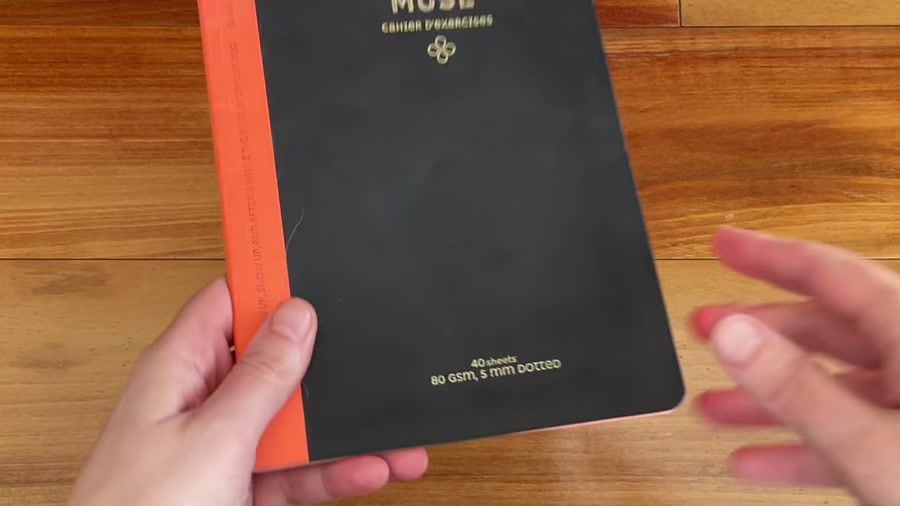
Binding and spine durability
The binding is the most important part of this update. After six to eight weeks of use, the stitching was still intact and the notebook had not started falling apart. That is a good result for a lightweight cahier-style book. Some softcover notebooks begin to loosen or feel tired quickly, especially if they are opened flat a lot or carried in a bag.
Victoria’s Journals uses a reinforced cloth-like tape along the spine. In the video, the tape is fraying slightly near the edge, but that looks like normal cosmetic wear rather than a structural failure. The important part is that the reinforcement is still helping the notebook stay together. The cover has not detached, the pages have not separated, and the book still opens and closes normally.
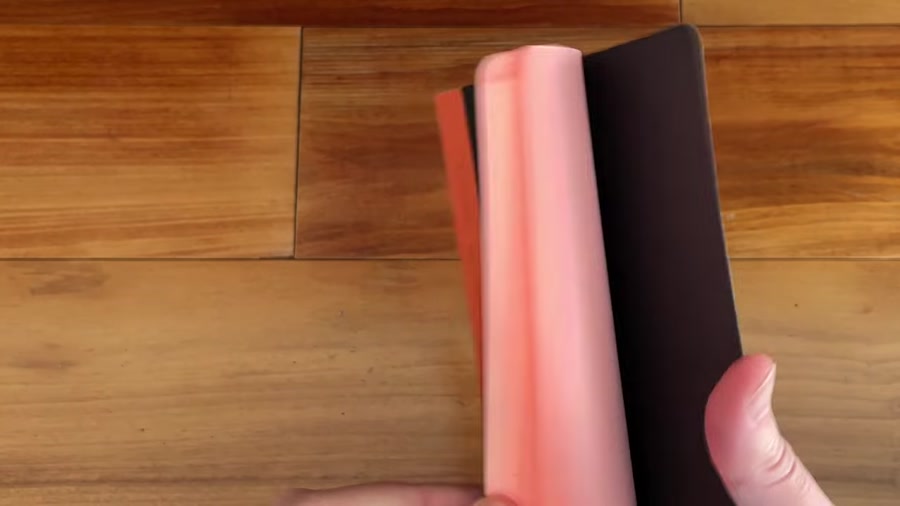
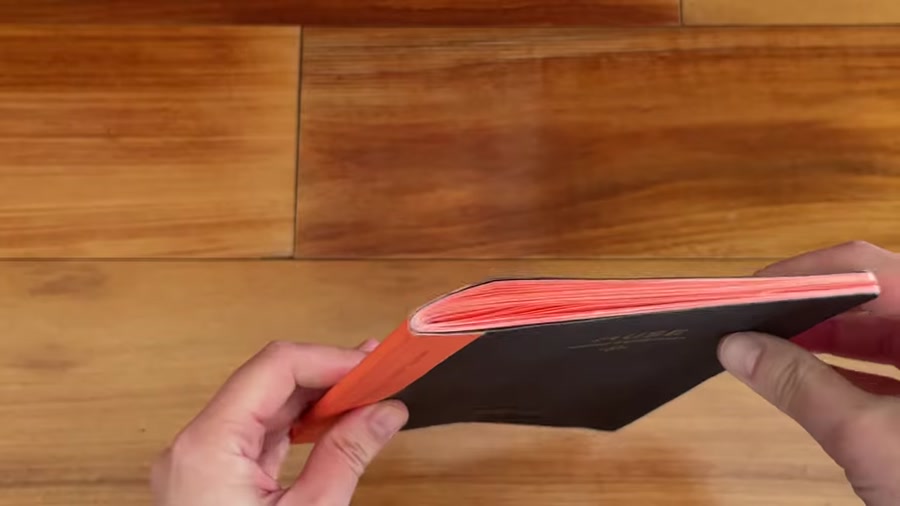
Orange dot-grid paper
The paper is the most unusual part of the notebook. It is orange, dot-grid, and around 80 gsm according to the review. That makes it very different from the cream, ivory, and white pages that dominate most journals. The color can make everyday writing feel more fun, but it is also a preference issue. Some people will love the warmth and personality; others may find it distracting.
The dot grid is subtle enough to provide structure without taking over the page. It works well for lists, notes, light bullet journaling, and casual planning. This is not presented as heavy art paper or premium fountain-pen paper, so I would keep expectations practical. For normal pens and everyday writing, it is a fun paper choice. For heavy ink, watercolor, or archival-looking formal writing, there are better notebooks.

How it feels after real use
Durability reviews are helpful because a new notebook can look good for the first five minutes. The real test is whether it still feels pleasant after you are most of the way through it. In this case, the notebook still looked usable and enjoyable. The cover had minor wear, the spine had small signs of fraying, and the pages showed normal handling, but none of that made the notebook feel ruined.
That used-in feeling may actually suit the notebook. Because it is casual and softcover, a little wear does not look out of place. It gives the notebook the feeling of something that has actually been carried and written in. If you want a pristine keepsake journal, that may not be ideal. If you want an everyday notebook that can pick up a few marks and keep going, it is a positive.
Best uses for this notebook
This is best as a casual daily notebook rather than a formal journal. I would use it for task lists, daily notes, quick reflections, class notes, travel notes, project lists, or a loose bullet journal. The A5 size gives you enough page space, while the soft cover keeps it from feeling bulky.
It is less ideal if you want a notebook that lies perfectly flat, protects finished writing like a hardcover, or handles every pen type beautifully. The charm here is portability, color, and a bit of everyday personality. It is a notebook you use, not one you worry about preserving.
Pros and cons
| Pros | Cons |
|---|---|
|
|
FAQ
Is Victoria’s Journal durable?
Based on this update, yes. After several weeks of use, the stitching and binding were still intact, with only minor cosmetic wear on the reinforced spine tape.
What kind of paper does this notebook use?
The notebook shown uses orange dot-grid paper. The review describes it as around 80 gsm, which makes it more of an everyday writing paper than a heavy art-paper notebook.
Is the orange paper distracting?
That depends on your taste. The orange paper gives the notebook a fun, distinctive look, but people who prefer clean white or cream pages may find it too strong.
Who is this notebook best for?
It is best for someone who wants a lightweight, casual A5 notebook for notes, lists, journaling, or light planning, and who likes colorful paper.
Final Thoughts
Victoria’s Journal is not a flashy luxury notebook, but it did what a softcover everyday notebook needs to do: it stayed together, stayed usable, and remained enjoyable after weeks of writing. The orange pages are the main personality feature, and the reinforced spine helps the simple cahier format feel more durable than expected.
If you like colorful paper and want a casual A5 notebook for daily writing, this one is easy to like. If you want a formal hardcover, very thick paper, or a more neutral page color, choose something else. As a lightweight everyday journal, though, it passed the durability test nicely.
Choose a journal you’ll actually want to fill
Victoria’s Journals Cahier-Style Notebook
A simple, colorful softcover notebook that held up well through everyday use.