

My strongest all-round alternative to a classic Moleskine
Leuchtturm1917 A5 Notebook
Better organization features and, in my experience, more dependable paper for everyday writing.
Disclosure: This article contains affiliate links. If you buy through one of these links, JournalReviewr may earn a commission at no extra cost to you.
Why I started looking beyond Moleskine
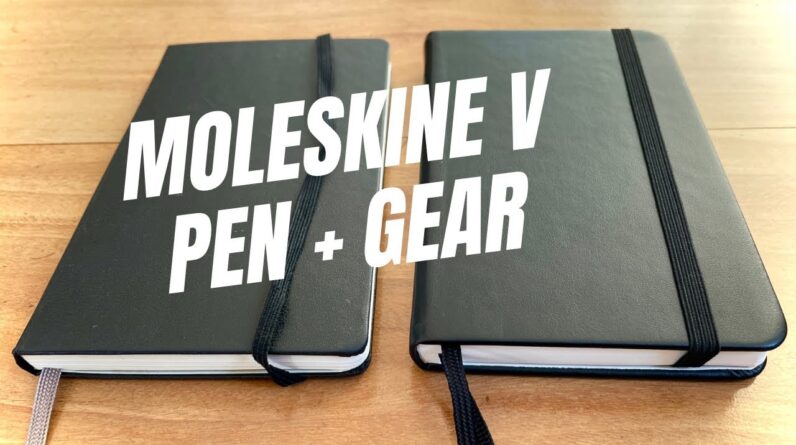
Moleskine was the brand that made me fall in love with journals. The classic black cover, elastic closure, bookmark, and pocket felt special when I first used one nearly two decades ago. I still understand why the design appeals to people. My problem is that the writing experience has not remained as dependable as I remember it.
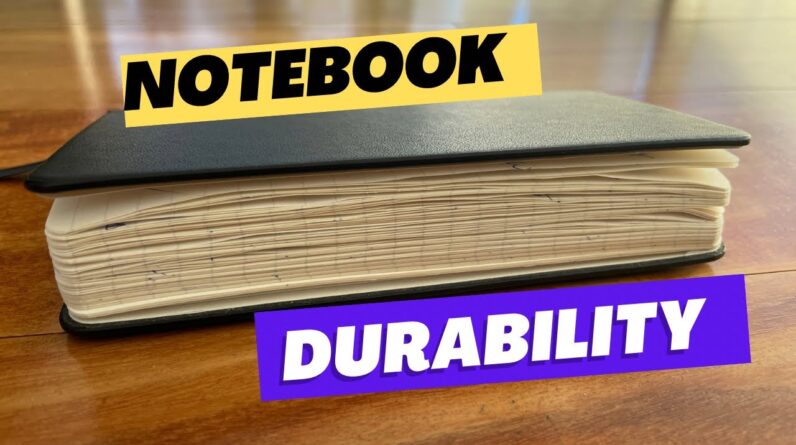
The paper in the notebooks I tested showed a lot of ghosting, and wet pens could bleed through. I also found the quality inconsistent from one notebook to another. This list is therefore based on my own use, especially with fountain pens and other wet-writing tools. These five alternatives stay close to the familiar hardback format while offering paper or construction that I preferred.

What “better” means in this comparison
Better does not mean that every alternative wins in every category. I looked for a comfortable writing surface, less bleed-through, useful everyday features, and covers that held up after use. Size also matters. Some of these notebooks are true A5, so they are slightly wider than the familiar large Moleskine. One gives you even more writing space, while another stays very close to the original footprint.
Your preferred pen should lead the decision. A ballpoint user may be perfectly happy with paper that frustrates a fountain-pen writer. The comments below describe the notebooks and samples shown in the video, not a guarantee about every future production batch. Check the current listing and page specification before buying.
1. Leuchtturm1917: the best all-round replacement
The Leuchtturm1917 A5 is slightly wider than a large Moleskine and uses 80 gsm paper in the version shown. The paper performed better for me, with less ghosting and more resistance to bleed-through. It keeps the familiar elastic, bookmark, and rear pocket, so moving from one brand to the other does not require a completely different routine.
It also adds practical organization features. There are numbered pages, index pages at the front, a place for the date on lined versions, and archival stickers. Those details matter if you use a notebook for projects or planning rather than writing straight through it as a diary. My older notebook’s elastic also remained tight after years of use. For a deeper comparison, see Leuchtturm1917 versus the Rhodia Webnotebook.

2. Rhodia Webnotebook: my favorite paper of the group
The Rhodia Webnotebook, often called the Webbie, uses smooth 90 gsm cream paper in the notebook shown. It produced little ghosting and no bleed-through in my writing sample. The pen moves easily over the surface, which is the main reason this notebook stands out to me.
It has an elastic closure, bookmark, and rear pocket, much like Moleskine. The cover is thicker and noticeably softer or squishier. Not everyone likes that feeling, but I found that it protected the notebook well. The format is closer to a true A5 and therefore a little wider than a large Moleskine. If paper quality comes before a slim cover, the Webnotebook is a very strong option.

3. Quo Vadis Habana: more room with similar paper
The Quo Vadis Habana feels like the slightly larger cousin of the Rhodia Webnotebook. The version shown uses the same 90 gsm cream-colored Clairefontaine paper, so it offers the smooth writing experience I liked in the Rhodia. Its thinner cover is also more appealing if you dislike the Webnotebook’s padded feel.
The Habana shown is larger than a true A5 but not quite B5, which gives you more room for morning pages or longer entries. Pocket sizes may also be available. It includes the expected pocket, elastic, and bookmark. This is the notebook I would consider when an A5 page feels cramped but I do not want to move all the way to a large desk journal. We also have a full Rhodia Webnotebook and Quo Vadis Habana comparison.

4. Blackwing Slate: thicker paper and a flat spine
The Blackwing Slate shown in the video is close to the classic Moleskine size, although later versions may use a true A5 format. Its 100 gsm paper is smooth and thicker than the paper in the Rhodia or Habana. My sample showed hardly any ghosting and no bleed-through, which made it a much better match for my pens.
A fabric section along the spine helps the notebook lie flat. The elastic can also hold a pen, which is a small but useful feature when the notebook travels in a bag. The cover is thicker and slightly soft, but not quite as padded as the Rhodia. My used copies held up well. Current formats can change, so compare the listing with the older version shown here. You can also read the dedicated Blackwing Slate review.

5. Zequenz 360: flexible binding and bright white paper
The Zequenz 360 has become one of my regular journals. The A5 version shown has bright white 100 gsm paper that handled a fountain-pen sample with very little ghosting and no bleed-through. It feels different from the cream pages in Rhodia and Quo Vadis, so paper color may decide which one you prefer.
The binding opens extremely flat and can bend back on itself. It does not have a rear pocket, and the version shown uses a separate magnetic bookmark rather than a permanently attached ribbon. Those are trade-offs, but the writing surface and flexibility are the reasons to choose it. Zequenz also comes in smaller formats. See our Zequenz 360 notebook review for a closer look.

A pocket-size bonus: Daler & Rowney
The five main alternatives above are bound journals, but the video also includes a Daler & Rowney pocket sketchbook as an alternative to the small Moleskine Cahier. It is the same general size, with a sturdier coated cover and 100 gsm blank paper. The sample did not show the bleed-through seen in the Cahier.
Because it is sold as a sketchbook, it may not suit someone who needs lines or a rear pocket. It does show that you do not have to stay within conventional notebook labels. A compact sketchbook can be a good writing notebook when the paper and size fit your needs.
Choosing between the five
Choose Leuchtturm1917 when you want organization and a familiar hardback format. Pick the Rhodia Webnotebook for the smoothest cream paper in this group. The Quo Vadis Habana gives you similar paper with more space and a thinner cover. Blackwing Slate suits writers who want thicker paper and a notebook that lies flat. Zequenz 360 is the flexible option with bright white pages.
Whichever notebook you choose, check the present paper weight, page ruling, dimensions, and included features. Manufacturers revise products, and third-party listings sometimes combine several variants. The name on the cover matters less than whether your usual pen works on the actual paper.
FAQ
Which Moleskine alternative is best for fountain pens?
The Rhodia Webnotebook, Quo Vadis Habana, Blackwing Slate, and Zequenz 360 all performed well with the pens shown. A broad nib and wet ink can behave differently, so test a page before committing the whole notebook.
Which option is closest to the traditional Moleskine experience?
Leuchtturm1917 is the easiest transition because it keeps the elastic, bookmark, hard cover, and rear pocket while adding numbered pages and an index.
Which notebook has the most writing space?
The Quo Vadis Habana shown is larger than A5 and provides more room than a large Moleskine. Verify the dimensions because multiple Habana sizes may be listed.
Does heavier paper always mean a better notebook?
No. Heavier paper can reduce ghosting and bleed-through, but smoothness, color, ruling, binding, and overall size also affect the writing experience.
Final Thoughts
I still understand the appeal of Moleskine, but these five notebooks gave me more dependable writing experiences. Leuchtturm1917 is my all-round recommendation, Rhodia and Quo Vadis stand out for smooth cream paper, Blackwing offers a useful flat spine with thicker sheets, and Zequenz combines bright paper with an unusually flexible binding. Choose according to your pen and how you organize a page, not just the most recognizable cover.
Want the easiest switch from a classic Moleskine?
Leuchtturm1917 A5 Notebook
Check the current ruling, paper specification, and color before ordering.