

Compare the everyday carry details
Moleskine Classic Pocket Notebook
A pocket-size Moleskine Classic option for comparing against X17 Notes: familiar soft cover, elastic closure, bookmark, inner pocket, and 192 ruled pages.
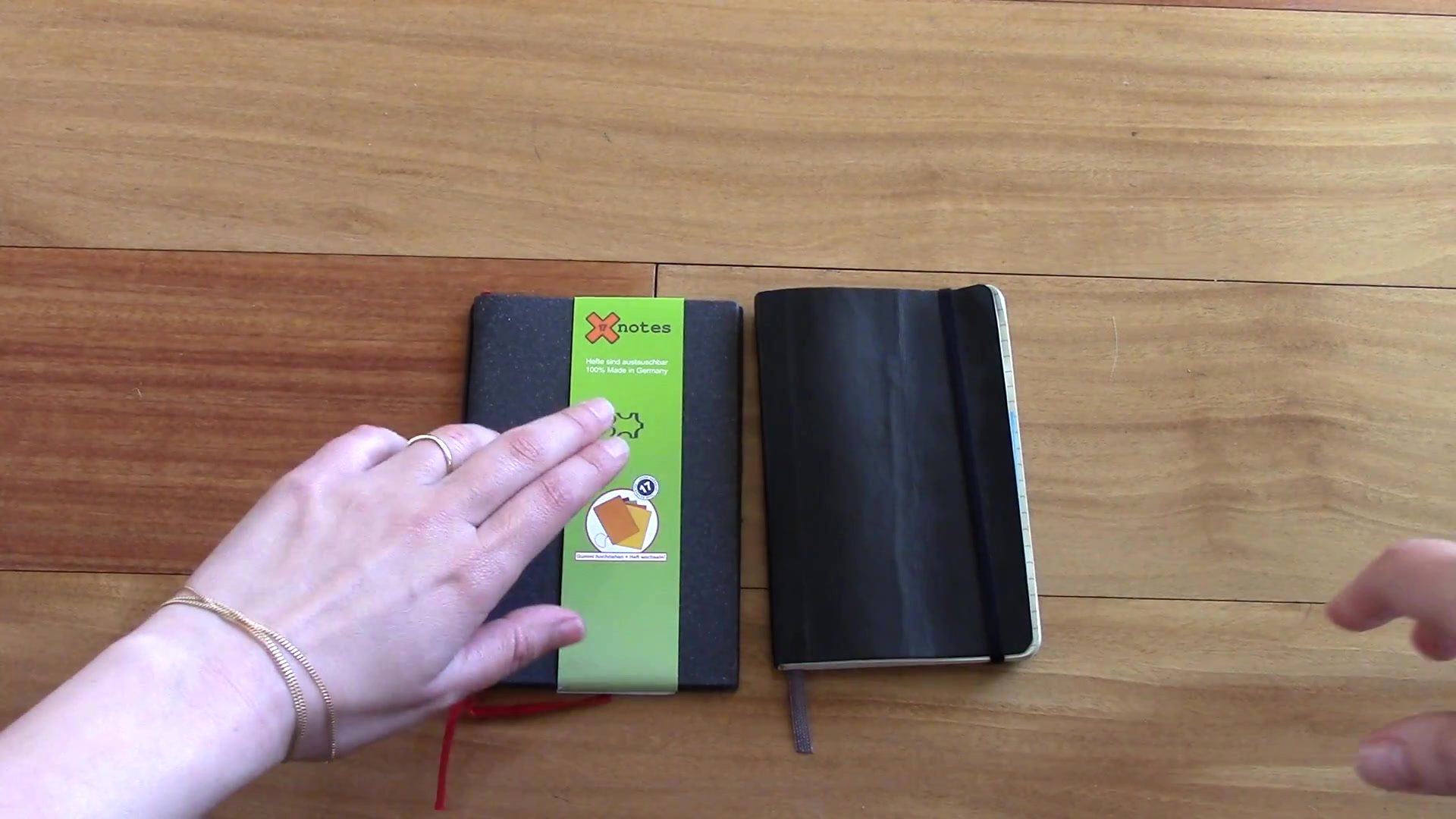
Moleskine vs X17 Notes Notebook Comparison
This comparison looks at two pocketable note systems with very different personalities. The Moleskine Classic Pocket notebook is the familiar single-volume choice: slim, easy to carry, simple to start using, and widely available. X17 Notes is more modular and system-oriented, with the appeal of replaceable booklets and a more organized multi-insert feel. If you are choosing between them, the decision is less about which one looks nicer and more about how you actually take notes.
The current Moleskine listing highlights a 3.5 by 5.5 inch softcover format, 192 ruled pages, acid-free paper, bookmark ribbon, elastic closure, and expandable inner pocket. Customer sentiment on the listing is generally positive around portability, smooth paper, durability, and daily carry usefulness. The repeated buyer concern is paper performance: many people like the paper for ballpoint, pencil, and everyday pens, but fountain-pen users should check recent reviews and ink examples carefully.
Bound Notebook vs Modular System
The Moleskine approach is simple. You open the notebook and write until it is full. That makes it excellent for journaling, daily carry lists, meeting notes, and keeping one continuous record. You do not have to think about refills, inserts, or layout choices beyond picking ruled, plain, dotted, or another variant.
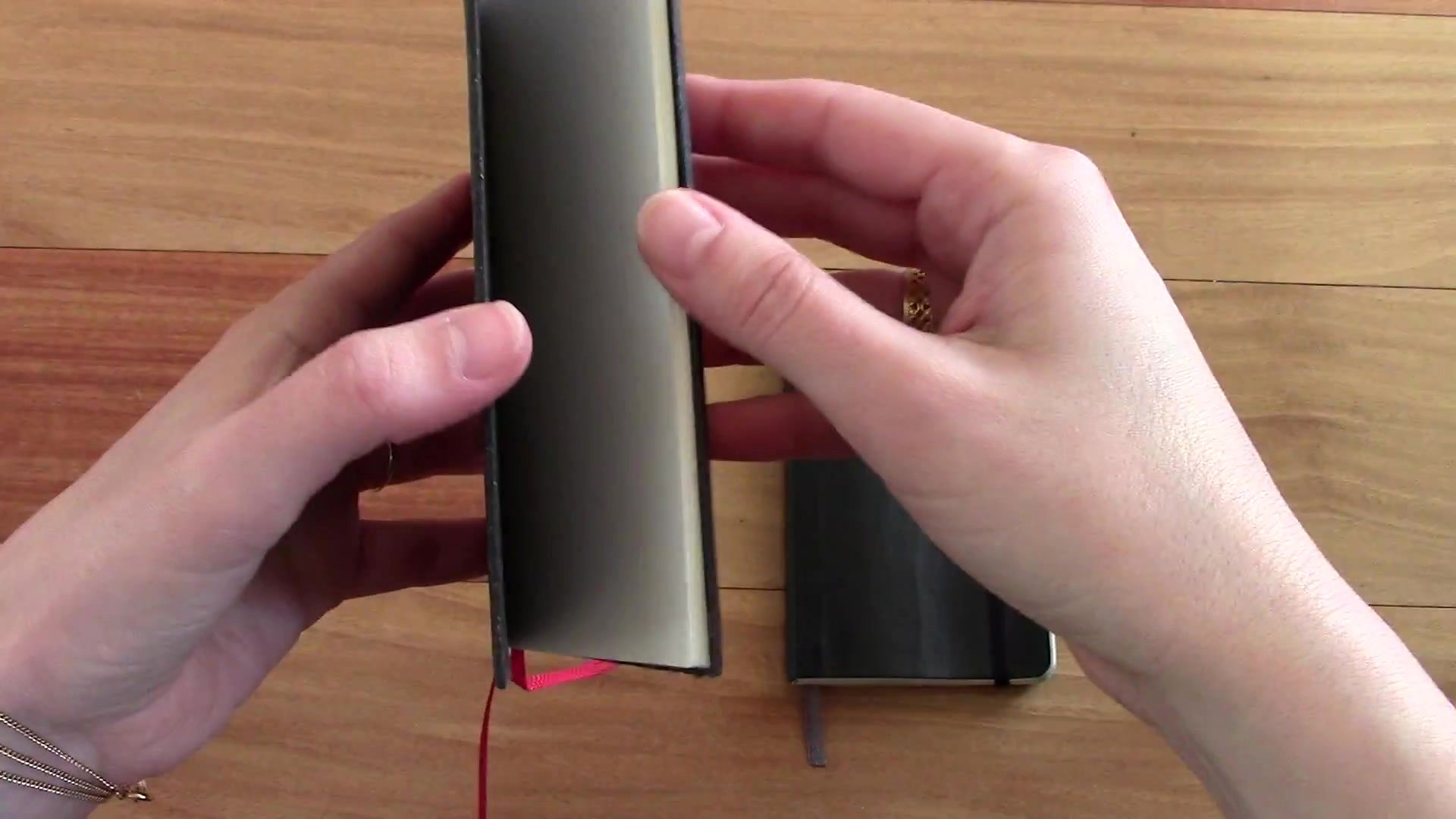
X17 Notes appeals to people who want separation. One booklet can be for work, one for planning, one for ideas, and one for travel notes. When a booklet is full, you can archive it without replacing the whole cover. That system can be more efficient, but it also adds friction: you need compatible inserts, you need to manage the cover, and you need to make sure the setup does not become too bulky.
Portability and Writing Feel
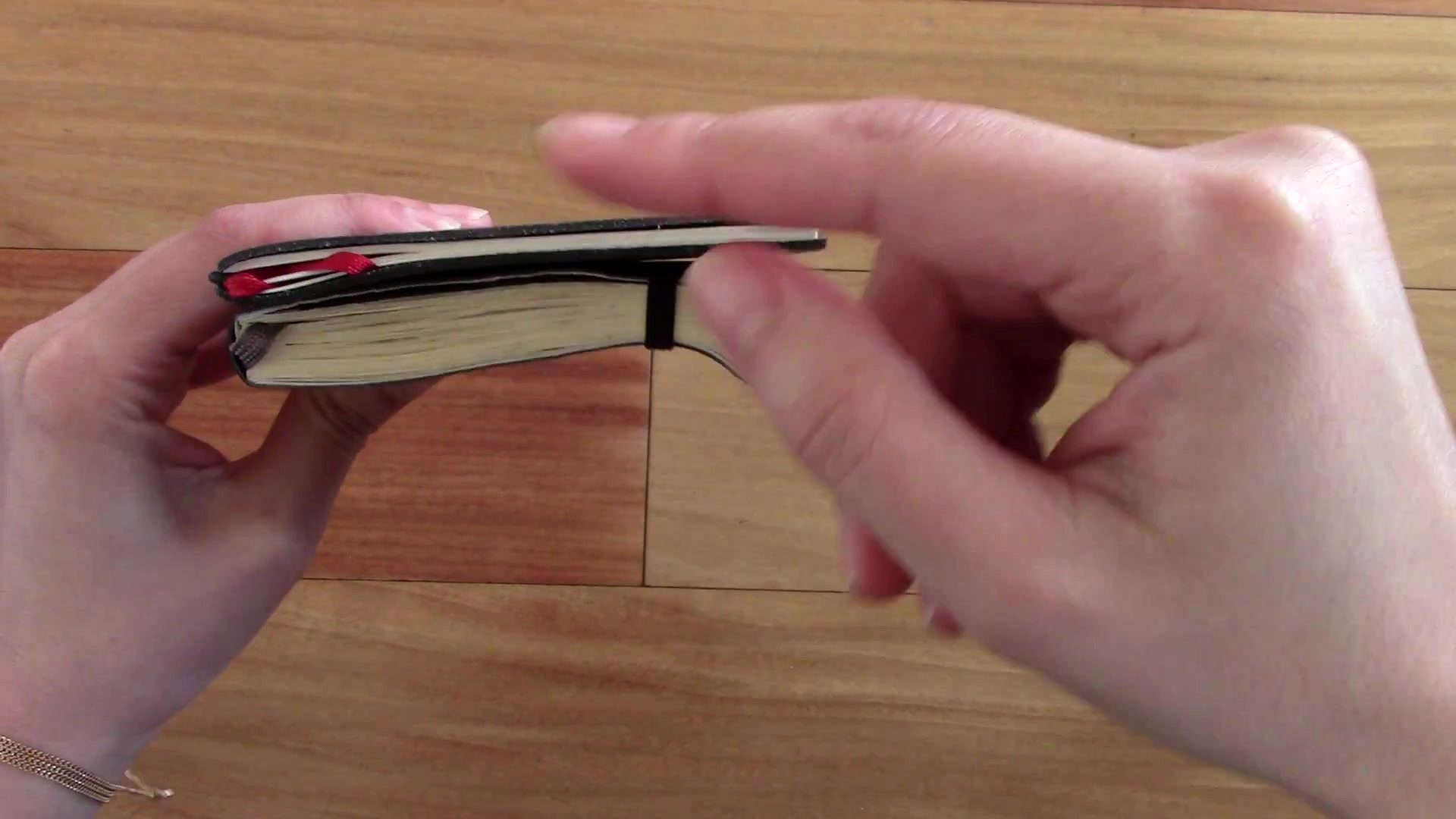
For everyday carry, Moleskine has a strong advantage in familiarity. It slips into a bag easily, the elastic band keeps it closed, and the inner pocket is handy for receipts or loose notes. The softcover pocket version is especially comfortable if you want something light rather than a rigid hardcover.

X17 Notes can be more useful if you organize by category. The downside is that small modular notebooks can feel less smooth for long writing sessions because inserts and cover edges introduce more structure around the page. If your notes are short, categorized, and often replaced, that is an advantage. If you like long journal entries, the Moleskine is simpler.
Paper and Pen Notes
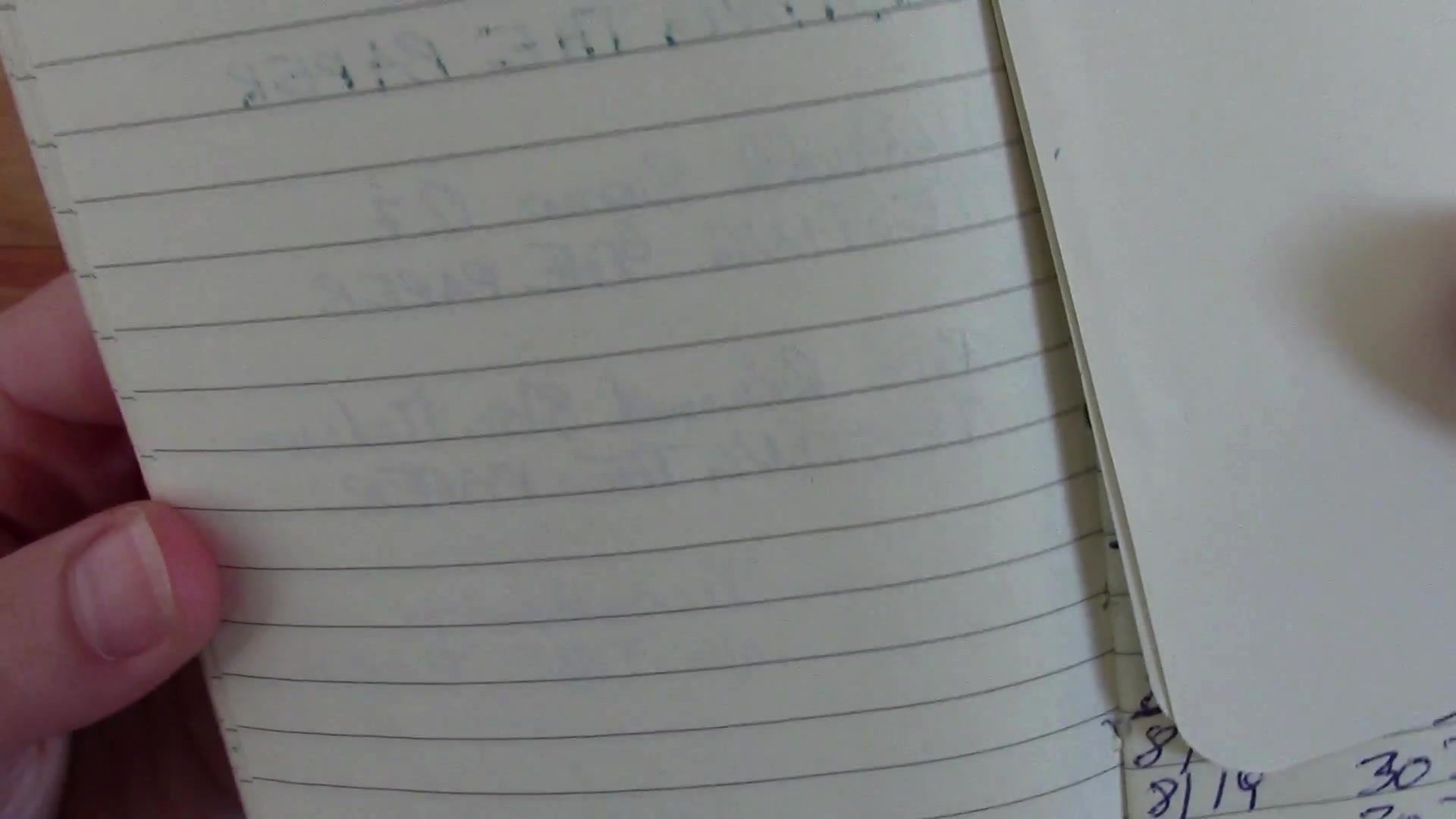
Moleskine paper is pleasant for many everyday pens, and current customer sentiment mentions smooth paper and useful thickness. Still, it is not the safest choice for every fountain pen. If you use wet ink, broad nibs, or heavy markers, expect to research recent review photos before buying. X17 insert paper can vary by refill, so the refill you choose matters as much as the cover system.
For pencil, ballpoint, and fine gel pens, either option can work. For fountain pens, the safer decision is to read current paper-specific feedback and decide how much ghosting you tolerate. A refillable system may let you swap to better paper if compatible refills exist, while a bound notebook locks you into the paper for the life of that book.
Comparison Table
| Feature | Moleskine Classic Pocket | X17 Notes |
|---|---|---|
| Format | Single bound notebook | Modular refillable system |
| Best for | Simple daily carry and continuous notes | Separated categories and replaceable inserts |
| Carry feel | Slim and familiar | More structured and configurable |
| Refills | Replace whole notebook | Replace individual booklets |
| Pen concern | Check fountain pen reviews | Depends on insert paper |
Buying Checks
| Concern | What to verify |
|---|---|
| Size | Pocket dimensions versus your writing comfort |
| Paper | Recent buyer photos for ghosting or bleed-through |
| Organization | One notebook timeline versus multiple refill booklets |
| Long-term cost | Full replacement notebooks versus refill packs |
Daily Use Recommendation
If you are deciding for daily carry, start with how often you want to archive notes. Moleskine is better when you like a single chronological notebook: one place for lists, quick journal entries, meeting reminders, and scattered thoughts. It is easy to throw into a bag and use without building a system around it.
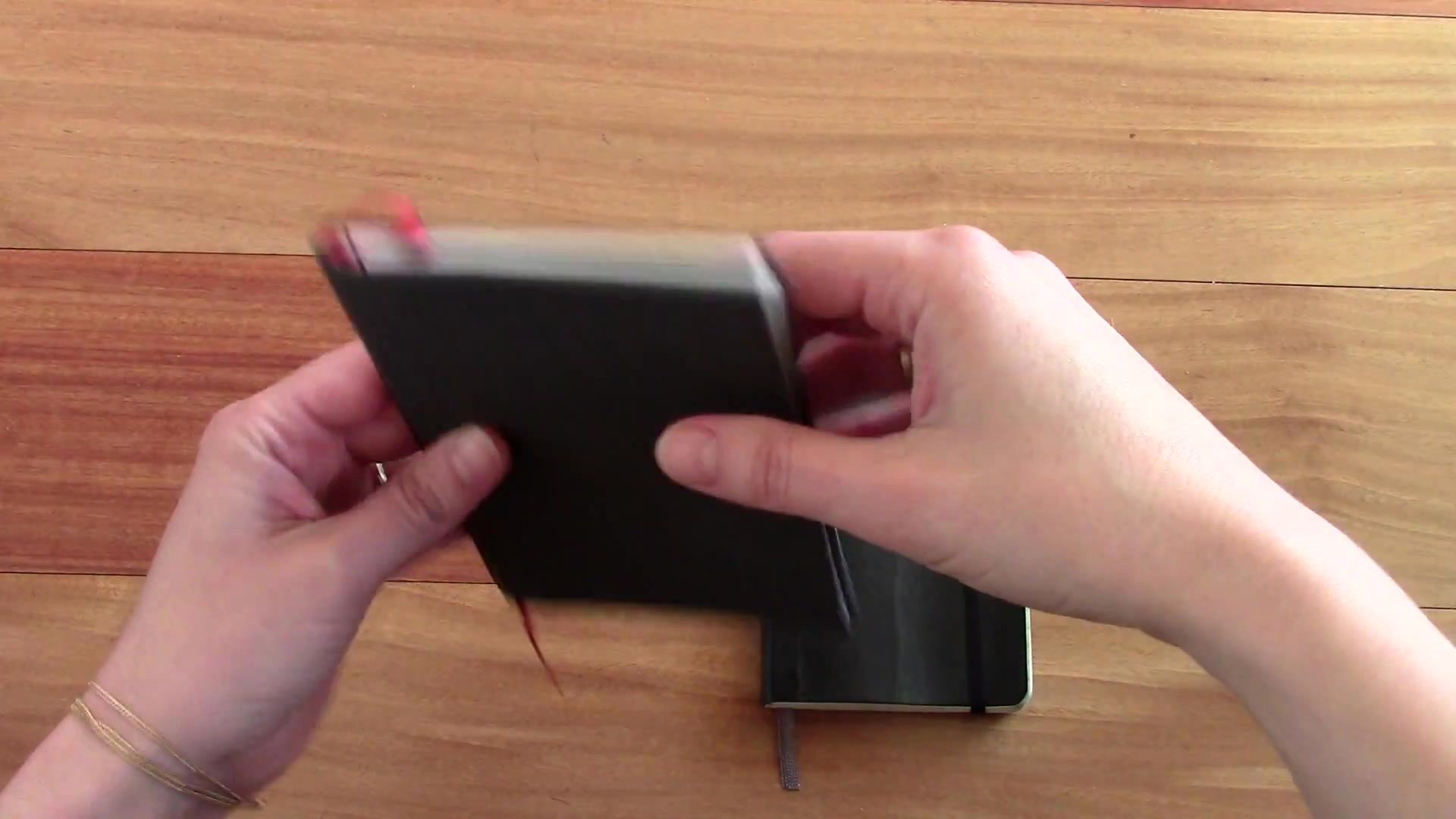
X17 Notes is better when your notes naturally split into categories. A work insert, home insert, ideas insert, and travel insert can keep a small notebook setup organized in a way one bound notebook cannot. The risk is over-complication. If you enjoy configuring inserts, that flexibility is useful. If you want zero maintenance, it may feel like extra work.
For current buying, the Moleskine option is easier to source and easier to replace. For X17-style systems, check refill availability before falling in love with the cover. A modular notebook is only practical if replacement inserts are affordable and easy to buy when you actually need them.
One practical way to decide is to imagine the notebook after three months. If you want a finished book you can label and place on a shelf, Moleskine fits that habit. If you want to pull out only the completed project booklet and keep the cover moving forward, X17 Notes or a similar modular setup is more efficient.
FAQ
Is Moleskine better than X17 Notes for everyday carry?
Moleskine is usually simpler for everyday carry because it is slim, familiar, and ready to use immediately. X17 Notes is better if you want separated inserts for different categories and do not mind managing refills.
What do buyers like about the Moleskine pocket notebook?
Current customer sentiment highlights portability, smooth paper, daily durability, the elastic closure, and the classic pocket format. It is especially popular for quick notes, field notes, lists, and journaling on the go.
Should fountain pen users choose Moleskine or X17?
Fountain pen users should be cautious with Moleskine and check recent ink examples. X17 may be better if you can source inserts with paper you trust, but paper quality depends on the specific refill.
What should I check before buying either system?
Check size, ruling, paper feedback, refill availability, and whether you prefer one continuous notebook or separate booklets. The best option is the one that matches how you actually capture and archive notes.
For price comparison, remember that Moleskine is a finished notebook purchase while X17-style systems are a cover plus refill habit. A lower starting price does not always mean lower long-term cost if inserts are difficult to source, and a higher starting price can make sense if the cover stays in use for years.
Final Thoughts
Moleskine wins if you want a classic pocket notebook that requires no setup. X17 Notes wins if the refillable, organized system fits your routine. For most people, the deciding point is whether you want one continuous notebook or a cover that can hold several replaceable note categories.
Compare the everyday carry details
Moleskine Classic Pocket Notebook
A pocket-size Moleskine Classic option for comparing against X17 Notes: familiar soft cover, elastic closure, bookmark, inner pocket, and 192 ruled pages.