

Choose the notebook format that matches your desk
Moleskine Classic Extra Large Notebook
A large softcover Moleskine Classic option for writers who want more page space than a pocket notebook while comparing it against X17-style flexibility.
Moleskine vs X17 Notebook Comparison
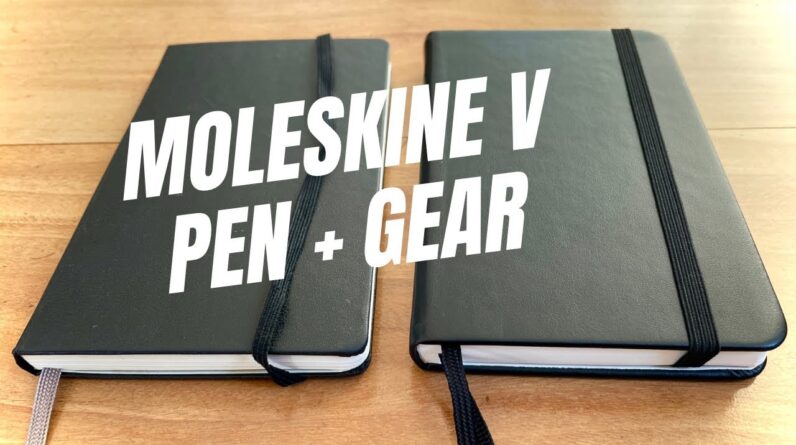
This larger Moleskine vs X17 comparison is different from the pocket-size note comparison because the use case changes. A large Moleskine Classic softcover is closer to a desk notebook, class notebook, project journal, or long-form writing book. X17 remains a modular system built around replaceable inserts and a reusable cover. Both can work, but they solve different problems.
The current Moleskine Extra Large listing highlights a 7.5 by 10 inch ruled softcover notebook. Customer sentiment around this listing is useful: buyers tend to praise the soft leather-like feel, durability, binding strength, portable-but-generous size, and smooth writing experience. Some reviewers specifically mention that the pages handle normal pens well, though as always with Moleskine, fountain-pen and marker users should check recent paper feedback before assuming perfect performance.
Large Bound Notebook vs Modular Inserts
The Moleskine Extra Large is for people who want space. The larger page size gives you room for class notes, outlines, sketch planning, long journal entries, meeting notes, or project planning. Because it is one bound notebook, the experience is simple: open it, write, bookmark your place, and keep going. That single-book simplicity is a real advantage if you do not want a system to maintain.
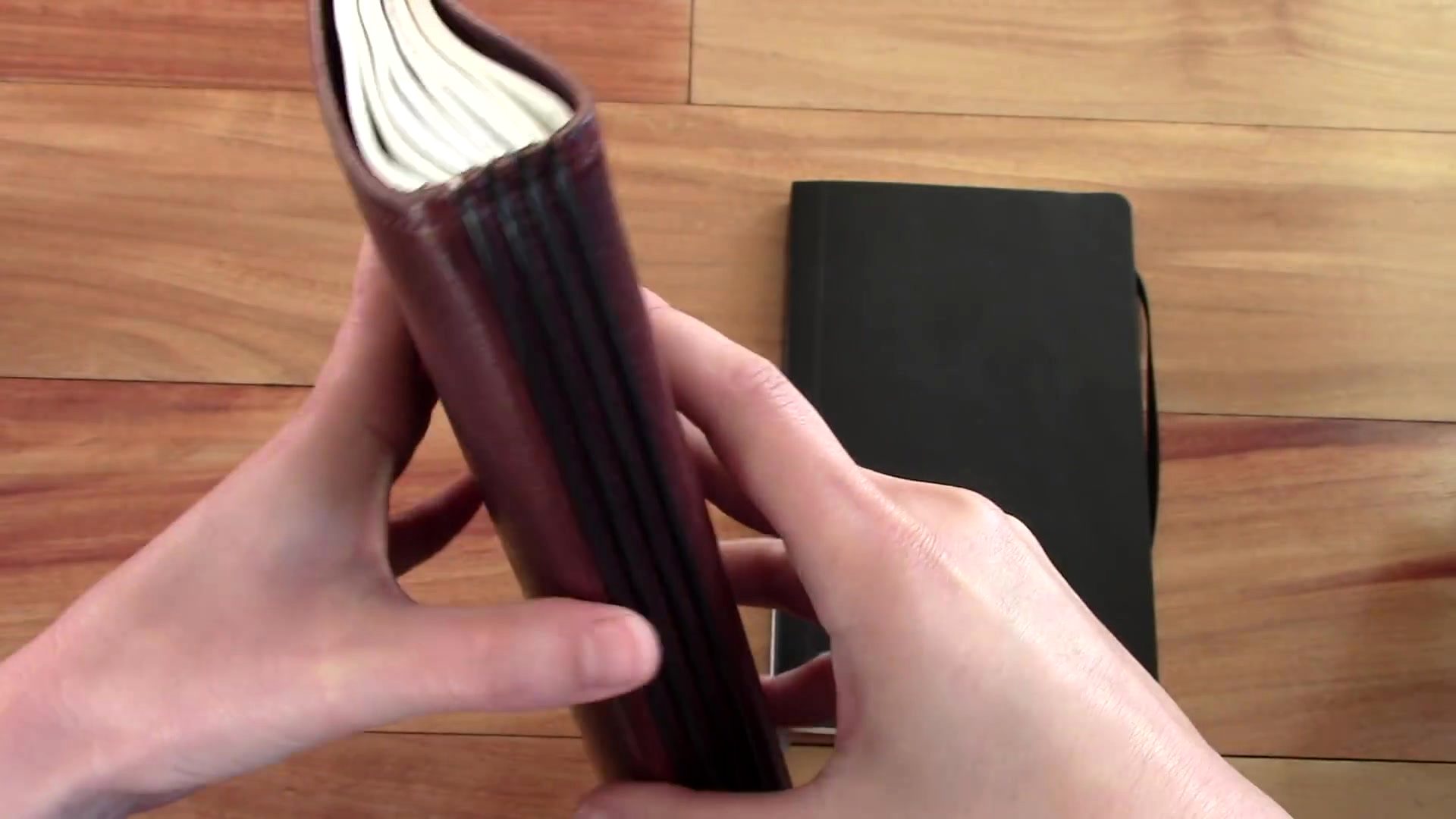
X17 is strongest when the organization itself matters. If you want different inserts for work, personal notes, projects, or travel planning, a modular notebook can feel cleaner than one big chronological book. When an insert is full, you can replace or archive just that booklet. The tradeoff is that you must keep track of insert compatibility, refill availability, and how thick the cover becomes when loaded.
Writing Comfort and Page Space
For long writing sessions, the large Moleskine has an obvious advantage: more space per page. You do not need to write tiny, split thoughts across several inserts, or manage multiple sections. If your notes are linear, the extra-large page is more comfortable. It can also work better for students, writers, and anyone who wants a larger visual field for outlines.

For everyday carry, though, that large page becomes a compromise. The Extra Large Moleskine is still softcover and manageable, but it is not pocketable. X17-style systems can be configured smaller or more task-specific. If your notebook spends most of its time on a desk, Moleskine makes sense. If it needs to travel everywhere and keep categories separate, the modular system may fit better.
Paper and Pen Considerations
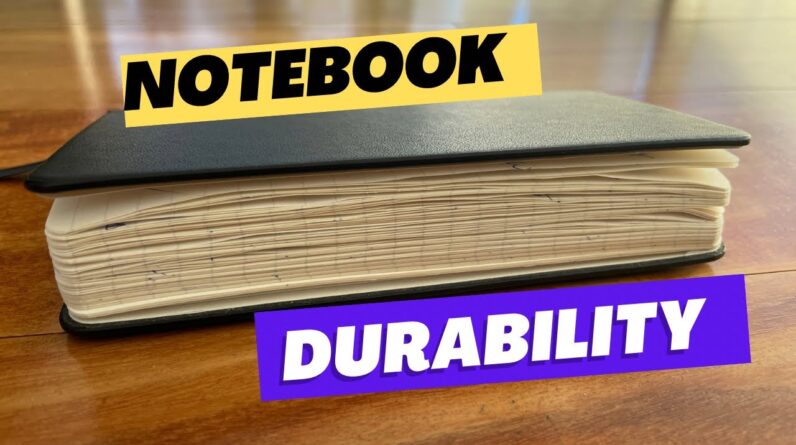
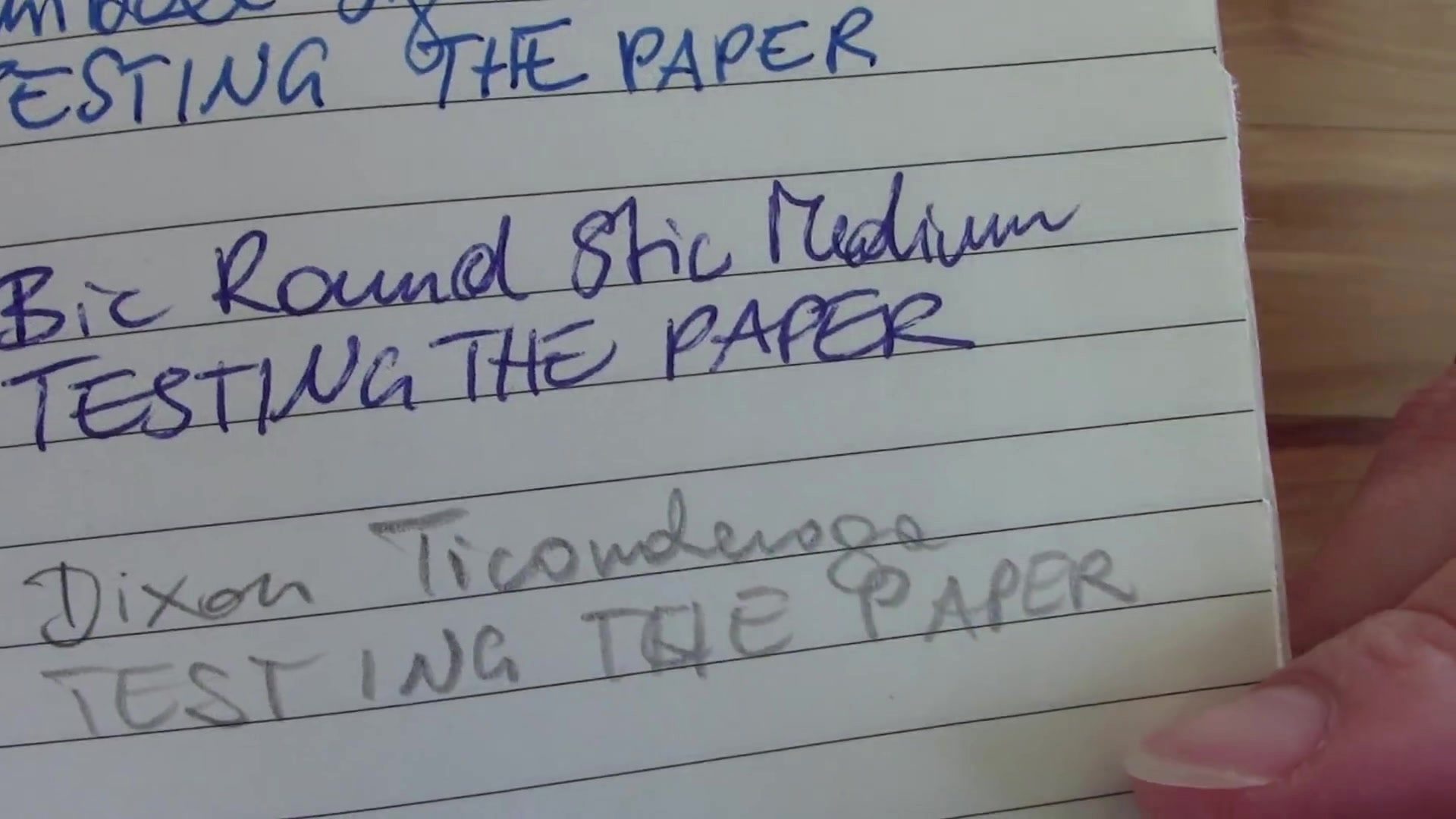
Current Moleskine buyers often like the writing feel and page smoothness, and this listing has positive comments around durability and bleed-through with ordinary pens. Still, Moleskine paper can vary by model and expectation. Ballpoint, pencil, and fine gel pens are the safest match. Wet fountain pens, broad nibs, brush pens, and markers deserve more caution.
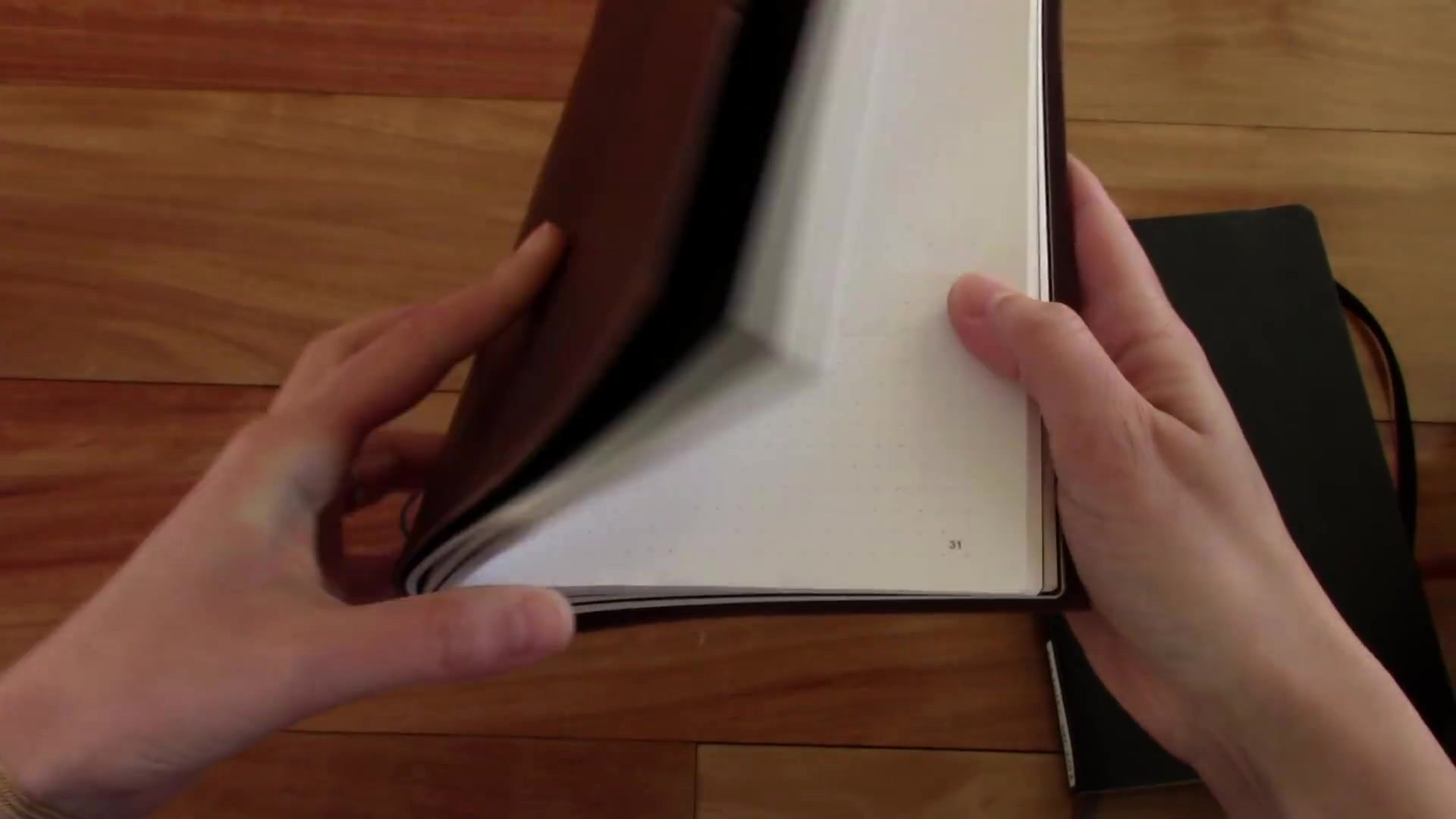
X17 paper depends on the insert you buy. That can be a strength because you may be able to choose a refill that suits your pen, but it also means the cover alone does not answer the paper question. For serious pen users, the best comparison is not simply Moleskine versus X17. It is Moleskine paper versus the specific X17 refill paper you plan to use.
Comparison Table
| Feature | Moleskine Extra Large | X17 System |
|---|---|---|
| Format | Large bound softcover notebook | Reusable cover with replaceable inserts |
| Best for | Long notes, desk work, class notes, projects | Separated categories, refills, modular carry |
| Setup effort | Very low | Medium; depends on inserts |
| Portability | Bag-friendly, not pocket-friendly | Varies by size and loadout |
| Paper decision | Fixed for the whole notebook | Depends on refill choice |
Buying Checks
| Concern | What to verify |
|---|---|
| Size | Whether 7.5 x 10 is useful or too large |
| Paper | Recent buyer notes on ghosting and bleed-through |
| Refills | X17 insert availability and cost |
| Use case | One long notebook versus separated booklets |
Daily Use Recommendation
Choose the Moleskine if you want one dependable notebook that can sit on a desk, travel in a bag, and hold a full project or semester of notes without setup. It is especially good when you value a continuous record and do not want to think about refills.
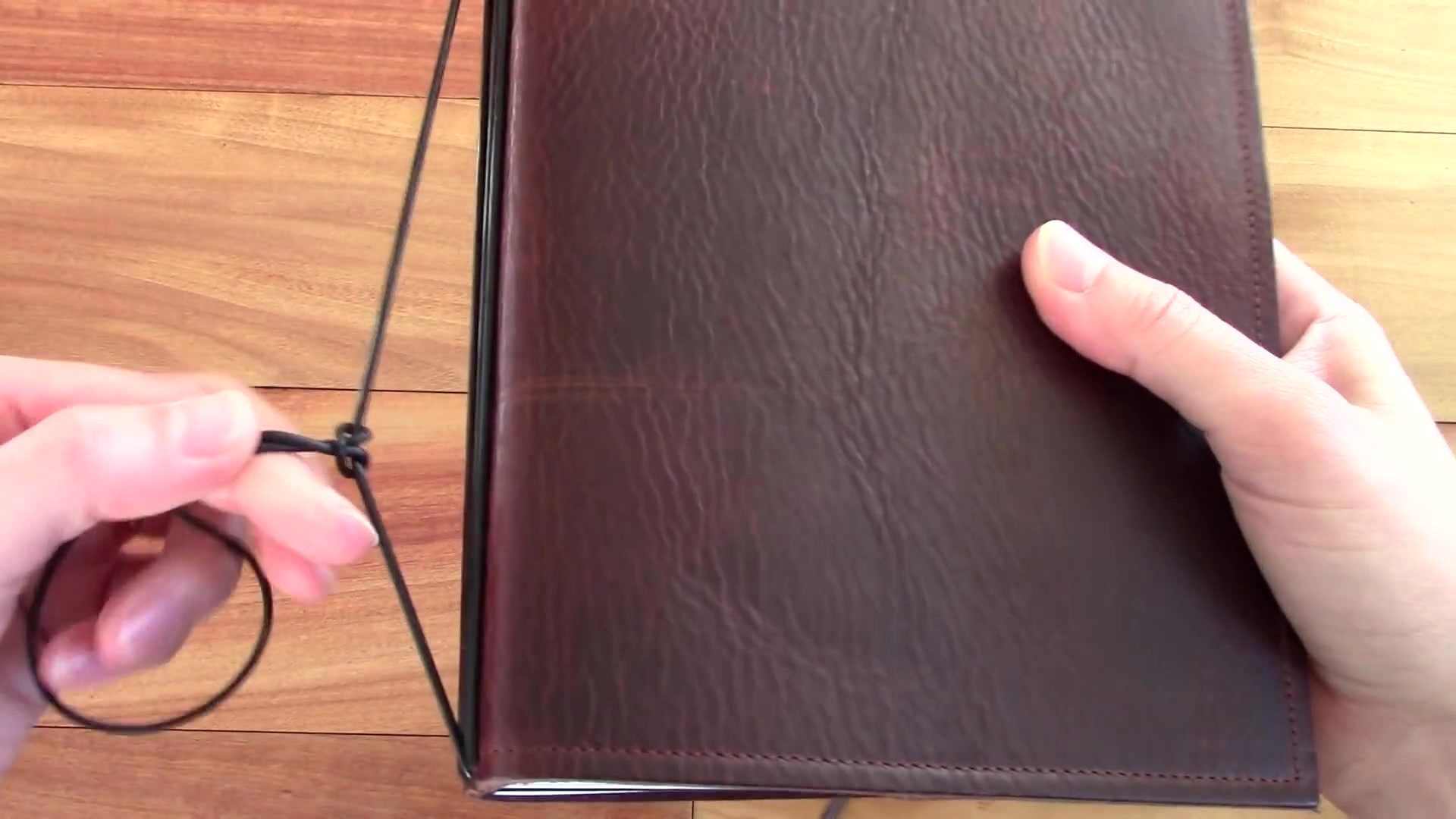
Choose X17 if the notebook is part of a larger workflow. If your notes naturally separate into work, ideas, planning, and travel, the modular format can save time later. Just confirm that the inserts you want are easy to buy before committing to the system.
For total cost, the Moleskine is a repeat purchase: when it is full, you replace the entire notebook. X17 is a cover-and-refill habit: more complex at first, but potentially more flexible over time. Neither is automatically better; the winner is the one that matches how you archive notes.
How to Choose Between Them
If you mostly write at a desk, the large Moleskine is easier to recommend. The bigger page gives you room to think, rewrite, outline, and keep related notes together. It also has less setup friction: there are no insert combinations to test and no cover system to tune. That simplicity is valuable if the notebook is meant to disappear into the writing process.
If you are a planner or system-builder, X17 deserves a closer look. The modular format can turn one cover into several active notebooks, which is helpful for separating work notes from personal notes or keeping an active project insert separate from a general catch-all insert. The important question is whether you enjoy that maintenance. Some writers love changing inserts; others just want a blank page.
FAQ
Is the Moleskine Extra Large better for long writing sessions?
Yes, it usually is. The larger page gives more room for outlines, class notes, meeting notes, and long journal entries. X17 can work for long writing too, but the insert format feels more segmented.
What do customers like about the Moleskine Extra Large listing?
Buyer sentiment highlights the soft leather-like feel, durable binding, portable large size, smooth pages, and the familiar Moleskine look. Several comments also praise the notebook as useful for classes and long-lasting notes.
Should fountain pen users choose Moleskine or X17?
Fountain pen users should check recent reviews for the exact Moleskine model and the exact X17 refill. Moleskine is often fine for everyday pens, but wet inks can be unpredictable. X17 depends entirely on refill paper.
Which option is better for project organization?
X17 is better if you want separate inserts for different projects. Moleskine is better if you want one continuous notebook with minimal setup and do not need to rearrange categories.
Final Thoughts
The Moleskine Extra Large is the better pick for straightforward, spacious writing. X17 is the better pick for modular organization. If you want a notebook you can buy today and start using immediately, Moleskine is simpler. If you want a reusable cover and replaceable sections, X17 is the more flexible system.
Choose the notebook format that matches your desk
Moleskine Classic Extra Large Notebook
A large softcover Moleskine Classic option for writers who want more page space than a pocket notebook while comparing it against X17-style flexibility.