

Keep your notes in a classic everyday format
Moleskine Expanded Soft Cover Notebook
A high-page-count Moleskine notebook with a flexible soft cover, 400 pages, two bookmarks, elastic closure, back pocket, and classic ruled ivory pages.
This Moleskine Expanded Soft Cover Notebook review looks at the large 400-page version: a notebook that feels familiar because it is still very Moleskine, but different because the expanded page count makes it much thicker than the usual classic notebook.
The promise is appealing. You get more pages, a flexible cover, two bookmarks, the familiar elastic closure, a back pocket, and ruled ivory paper in one book. The question is whether the extra thickness makes the notebook more useful or simply more awkward.
Quick verdict
The Moleskine Expanded Soft Cover Notebook is best if you like Moleskine’s format and want one notebook to last longer than a standard classic notebook. The page count is the main reason to buy it. The soft cover helps keep it flexible, but the notebook is still chunky. The paper is the usual Moleskine weakness: fine for everyday ballpoint and pencil, less convincing for wetter pens or anyone who dislikes ghosting.
| Notebook type | Large softcover expanded ruled notebook |
|---|---|
| Page count | 400 pages |
| Best for | Long-term notes, journaling, project logs, study notes, and people who fill notebooks quickly |
| Main strength | High page count in a familiar Moleskine format |
| Main weakness | Thin paper can show ghosting and bleed-through with wetter pens |
| Overall take | Useful if you want more pages; less ideal if paper performance is your priority |
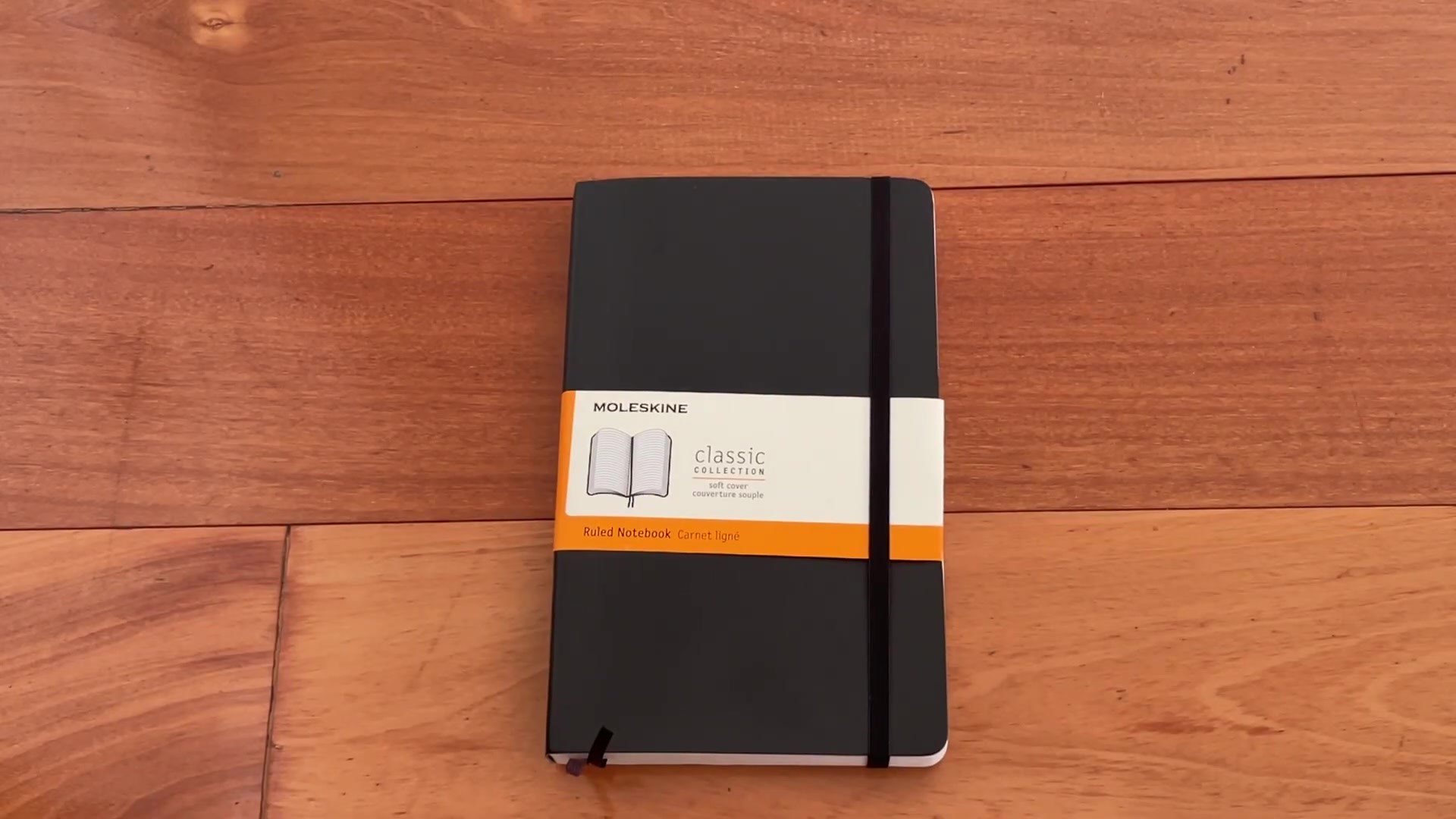
Why the expanded format matters
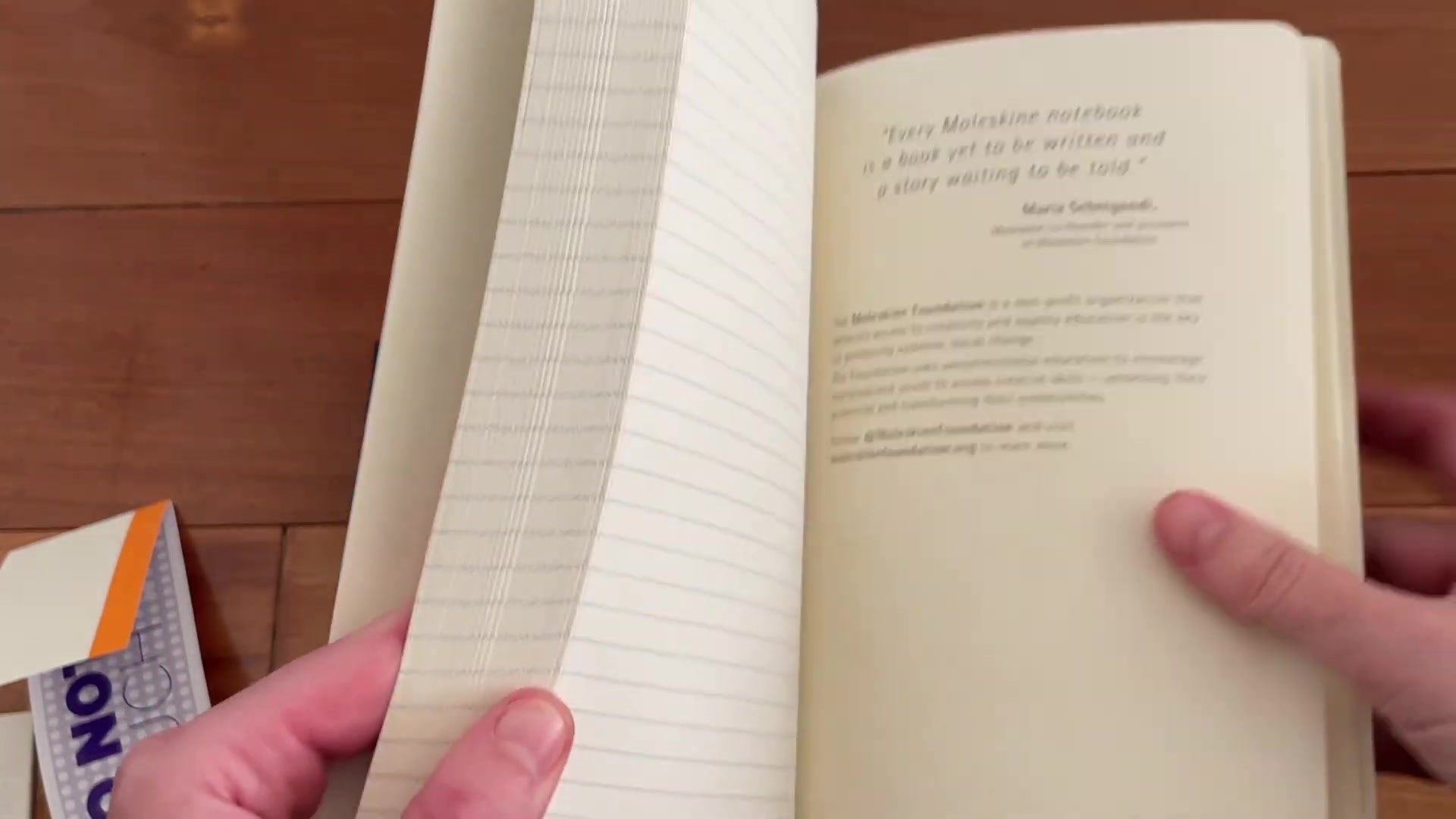
The main selling point is simple: more pages. A normal notebook can fill quickly if you journal daily, keep long meeting notes, or use one book for a big project. The expanded version gives you more room before you have to start another notebook.
That can be useful if you like continuity. One larger notebook can hold a longer stretch of work, study, or personal writing. The trade-off is that it is heavier and thicker, so it is not as effortless to carry as a slimmer classic notebook.
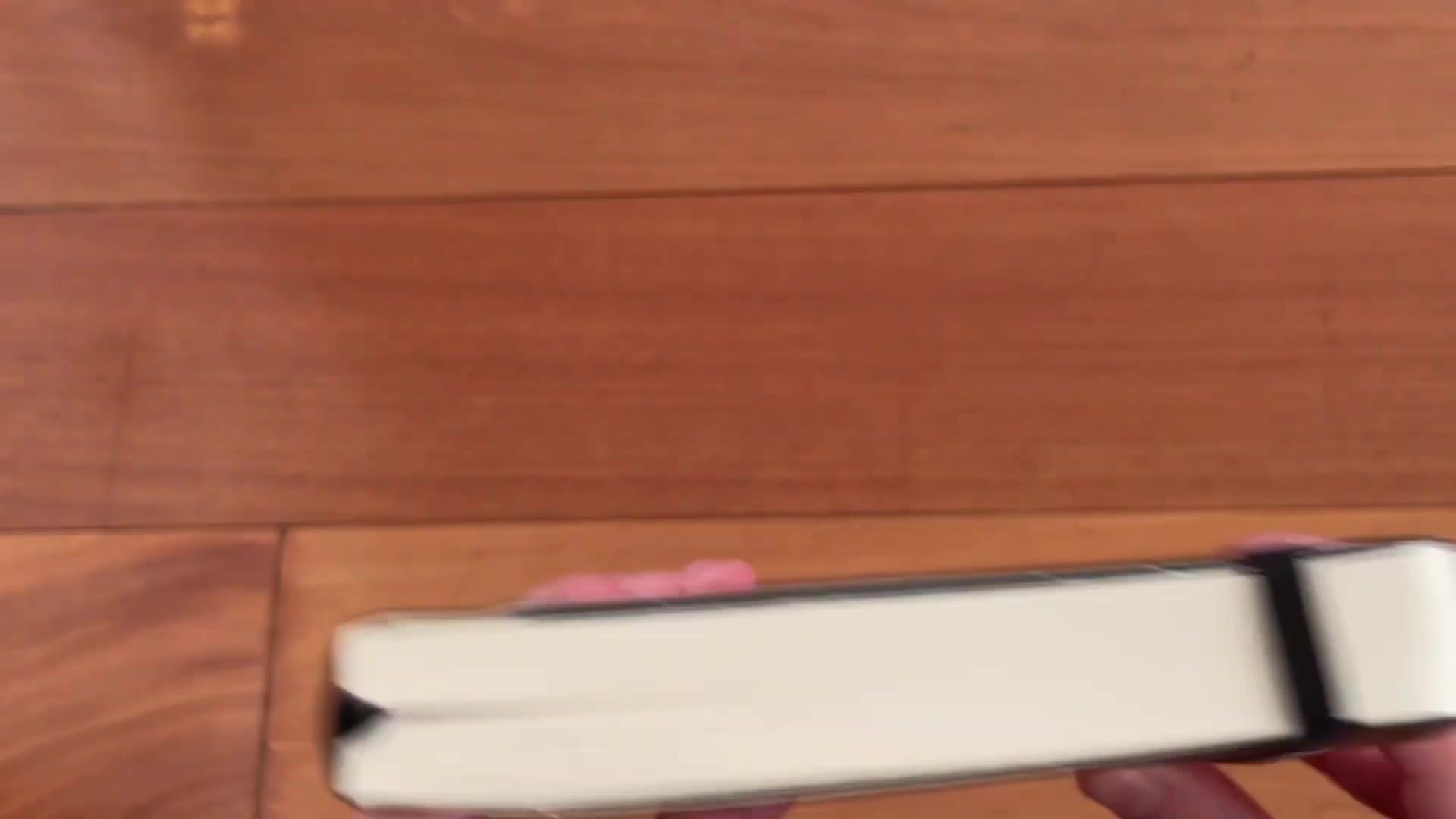
Soft cover and handling
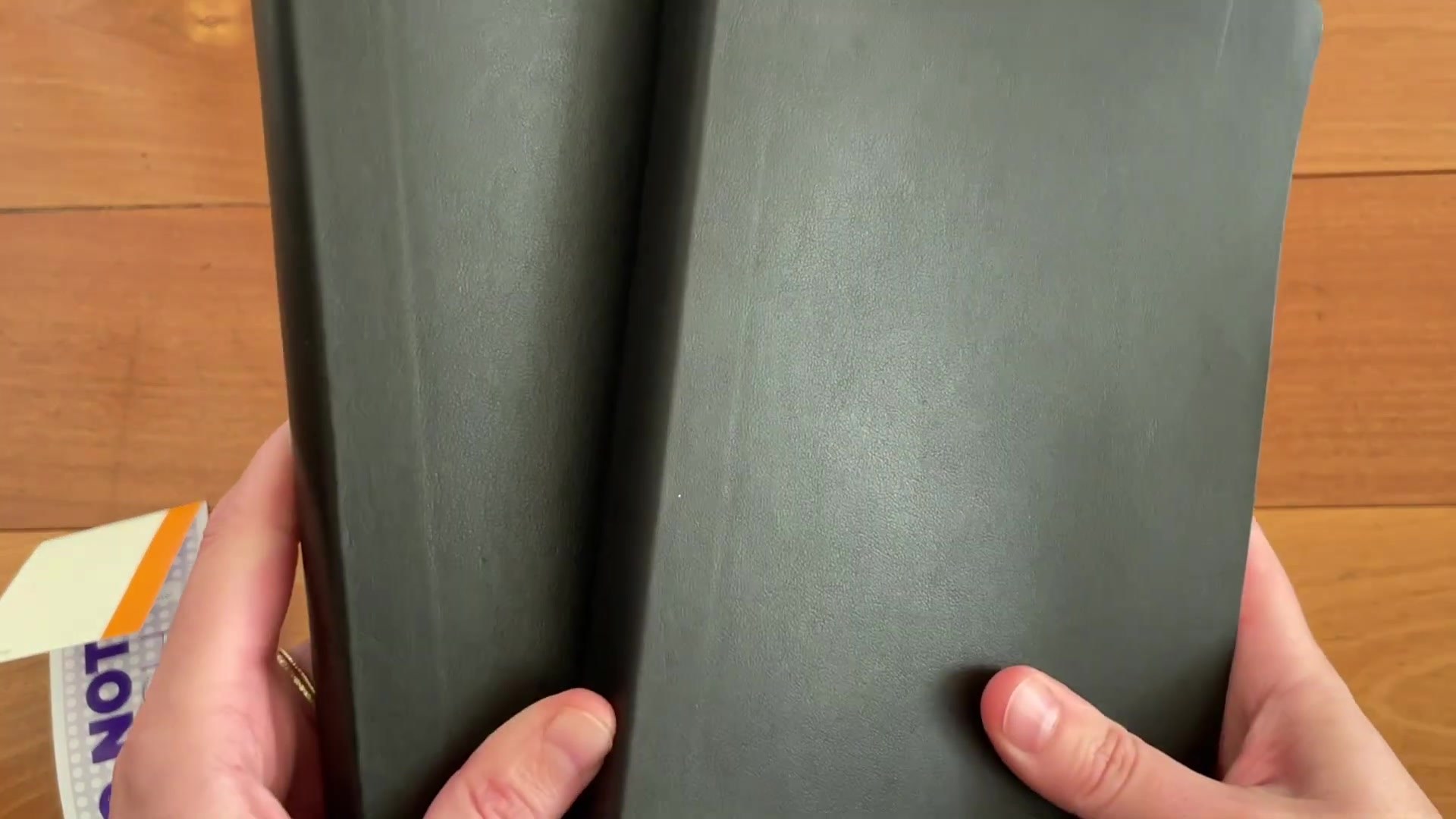
The soft cover makes sense on a notebook this thick. A hard cover would feel more rigid and heavier, while the soft cover gives the book a little flexibility. It is still a substantial notebook, but it can bend and move more naturally in the hand.
The cover also keeps the notebook feeling familiar. It has the black Moleskine look, elastic closure, and understated design. If you already like Moleskine notebooks, nothing here feels strange; it is the same general experience, just expanded.
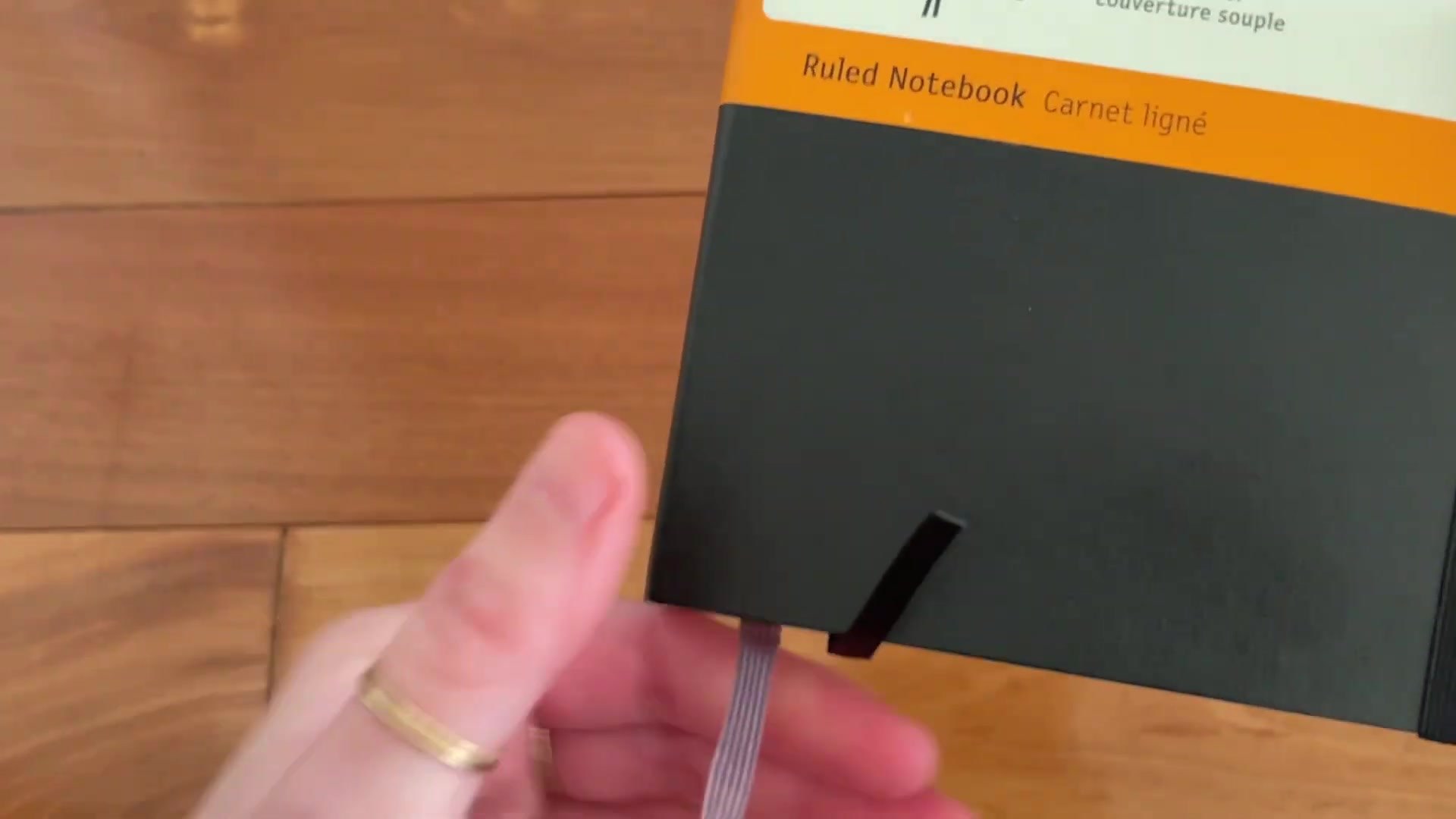
Two bookmarks and back pocket
One useful upgrade is the second bookmark. In a 400-page notebook, two bookmarks make more sense than one. You can keep one in your current writing section and another in a reference page, index, project section, or recent note.
The back pocket is another familiar feature. It is helpful for receipts, loose notes, stickers, or small bits of paper, although it should not be overloaded. With a thick notebook, the pocket is best treated as light storage rather than a place to stuff everything.
Paper and writing experience
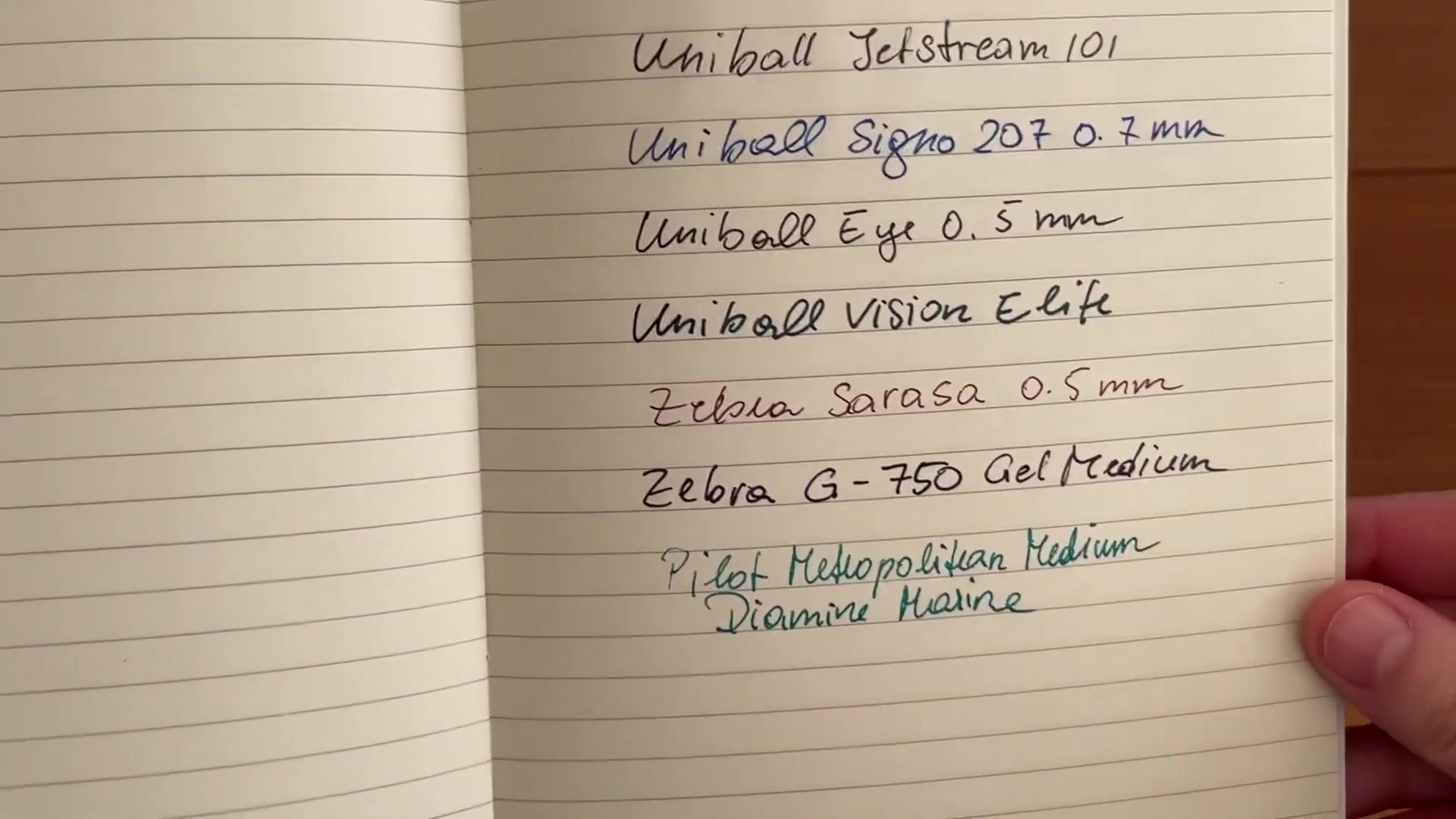
The paper is the part that will divide people. It is Moleskine’s 70gsm ivory paper, which feels familiar and pleasant enough with ordinary writing tools. Ballpoint, pencil, and some fine gel pens are usually the safest choices.
Wet fountain pens, heavy markers, and juicy pens are more likely to show through or bleed. The review’s pen test shows why paper expectations matter. This is not the notebook to buy if your main priority is fountain-pen performance.
Pros and cons
| Pros | Cons |
|---|---|
|
|
Who should buy it?
Buy this notebook if you like Moleskine’s design and want one book with a lot more pages. It suits people who fill notebooks quickly, keep project notes over a long period, or prefer carrying one larger notebook instead of replacing standard notebooks more often.
Skip it if you need fountain-pen-friendly paper, dislike thick notebooks, or want something lightweight for daily carry. The expanded format is useful, but only if the extra bulk and classic Moleskine paper trade-offs work for you.
How to use a 400-page notebook well
The expanded format works best when you give the notebook a clear long-term job. It is a good choice for a project notebook, a study notebook, a work log, or a daily journal where you want months of writing in one place. If you only need quick carry notes, the thickness becomes less useful and a slimmer notebook will feel easier.
Because there are so many pages, it also helps to create a simple navigation habit. Use the two bookmarks intentionally: one for the current page and one for an index, project list, or reference section. You can also leave the first few pages for a basic contents list so the notebook does not become a 400-page pile of disconnected notes.
The biggest mistake would be buying it only because more pages sound better. More pages are only an advantage if you actually want continuity. If you like switching notebooks often, testing paper, or carrying something light, the expanded version may feel like too much book. If you want one familiar Moleskine to stay with a project for a long time, the size starts to make sense.
Moleskine Expanded Notebook FAQ
How many pages does the Moleskine Expanded Soft Cover Notebook have?
It has 400 pages, which is the main reason to choose it over a standard Moleskine notebook.
Is the soft cover useful?
Yes. The soft cover helps the thick notebook feel more flexible and easier to handle than a hard cover might.
Is the paper good for fountain pens?
Not especially. The 70gsm paper is better for ballpoint, pencil, and drier pens than wet fountain pens.
Who is this notebook best for?
It is best for people who like Moleskine notebooks and want a higher page count for long-term notes, journaling, or projects.
Final Thoughts
The Moleskine Expanded Soft Cover Notebook is a practical choice if your main complaint about standard notebooks is that they fill too quickly. The 400-page format gives you more continuity, and the soft cover makes the extra thickness easier to live with.
The paper remains the main caveat. If you already like Moleskine paper, the expanded version gives you more of what you enjoy. If you are sensitive to ghosting or use wet pens, the extra pages will not solve that problem. For Moleskine fans who want a longer-lasting notebook, though, it is a useful option.
Keep your notes in a classic everyday format
Moleskine Expanded Soft Cover Notebook
A sensible choice if you like classic Moleskine notebooks and want one thicker softcover book for long-term notes, journaling, or project work.