

Keep your notes in a classic everyday format
Moleskine Cahier Pocket Notebooks
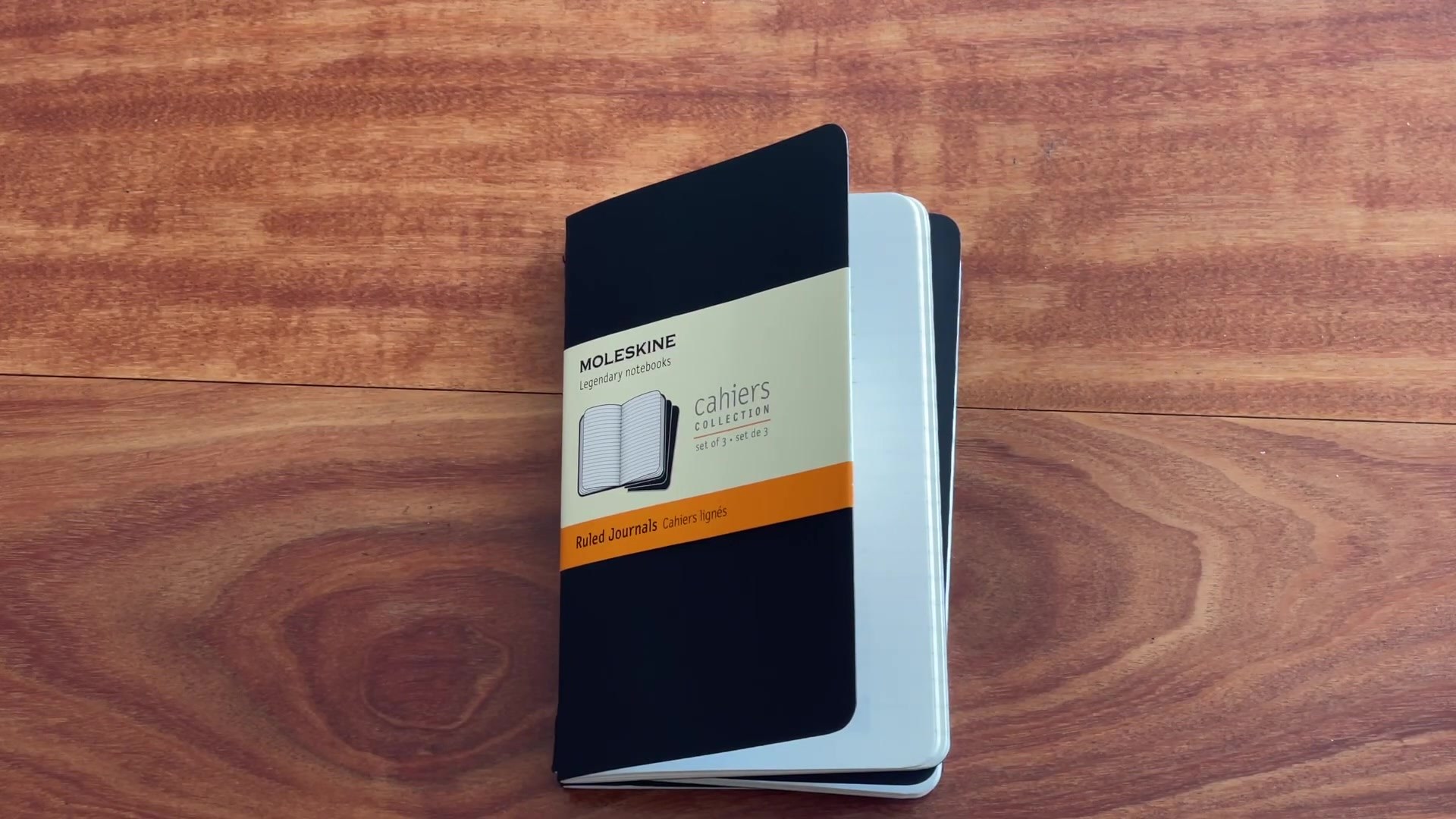
A slim three-pack of softcover pocket notebooks with stitched binding, rounded corners, ivory paper, perforated pages, and the classic Moleskine back pocket.
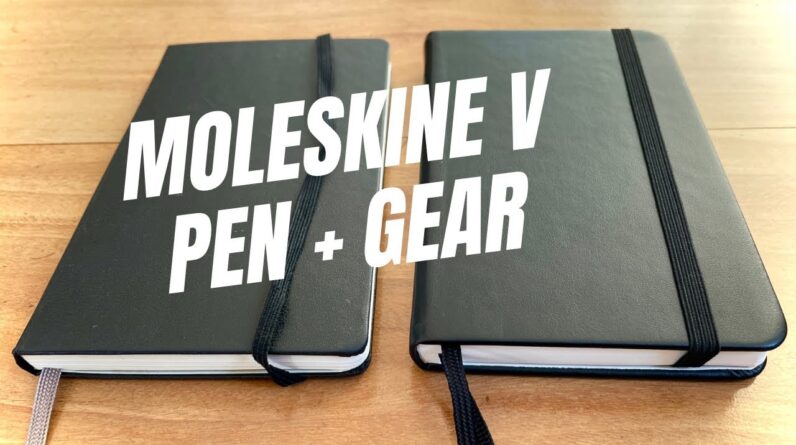
This Moleskine Cahier notebook review looks at the pocket-size three-pack: a simple softcover notebook that has become one of Moleskine’s most recognizable everyday formats. It is lightweight, flexible, easy to carry, and meant to be used rather than preserved. If you like pocket notebooks for lists, quick journaling, and daily notes, it is easy to see why the Cahier keeps showing up.
I have not always been the biggest Moleskine fan, but the Cahier is a format worth revisiting because it does a few practical things well. It is not a premium hardbound journal and it is not trying to be fountain-pen luxury. It is a slim cardstock notebook for quick writing, and the question is whether the familiar Moleskine extras make it worth choosing over cheaper pocket notebooks.
Quick verdict
The Moleskine Cahier is a good pocket notebook if you want a lightweight, classic, feature-rich format. The stitched binding, rounded corners, ivory paper, perforated last pages, and back pocket make it more useful than a plain booklet. The paper is fine for everyday pens, but not the strongest choice for heavy ink or fountain pens. I would buy it when the price is reasonable, especially as a simple carry notebook or low-pressure journal.
| Notebook | Moleskine Cahier pocket notebook |
|---|---|
| Format | Softcover stitched pocket notebook, usually sold in packs of three |
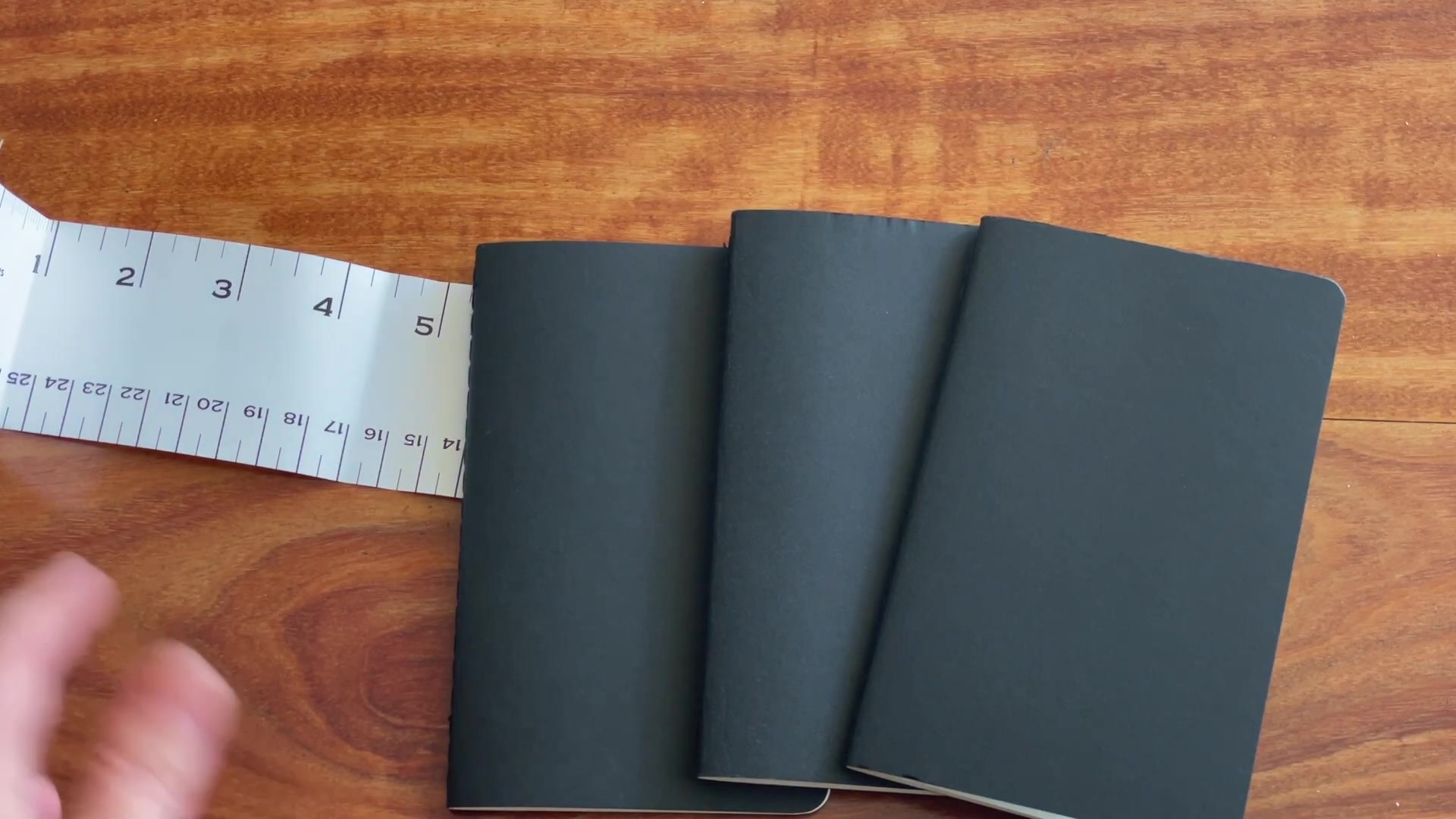
| Approx. size | 3.5 × 5.5 inches / about 9 × 14 cm |
| Pages | Ivory paper, available in lined, plain, squared, and dotted options |
| Useful extras | Perforated last pages, rounded corners, and a back pocket |
| Main caution | Paper is practical but not especially wet-ink friendly |
Design and build
The Cahier is simple in the best possible way. The cover is flexible cardstock, the corners are rounded, and the whole notebook feels thin enough to tuck into a bag without thinking about it. It is not stiff, formal, or precious. That makes it easy to start using, which is one of the biggest advantages of any pocket notebook.
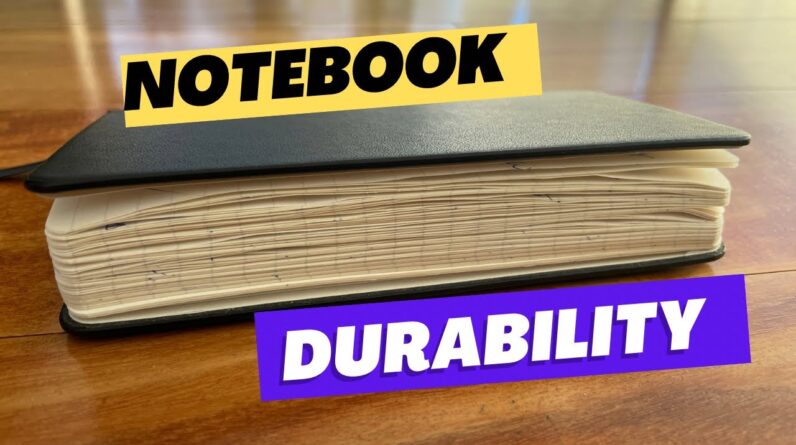
The stitched binding is another plus. It gives the notebook a cleaner, more durable feel than a stapled booklet, while still keeping it slim and flexible. The cover will show wear over time, especially if you carry it loose with keys or pens, but that is part of the Cahier’s everyday-use personality.

Paper and writing feel
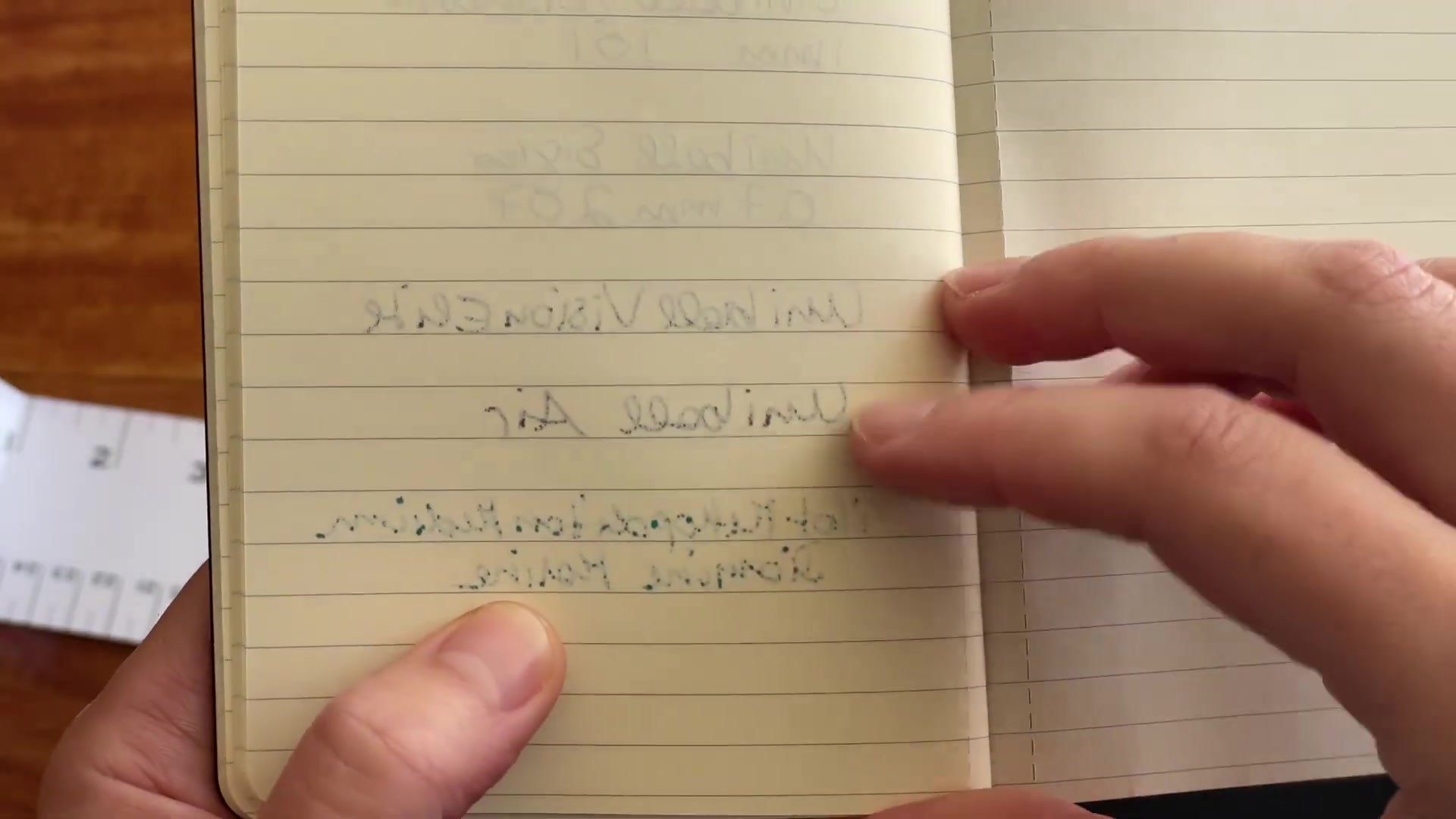
The lined ivory pages are pleasant for ordinary writing. The ruling is clean, the page color has the classic Moleskine warmth, and the notebook feels comfortable for lists, quick notes, and short entries. It is exactly the sort of paper that works well with ballpoint, pencil, and many dry gel pens.
The limitation is wet ink. Moleskine paper has never been the safest choice for fountain pens, heavy markers, or very wet rollerballs. If that is your main writing style, you may see ghosting, show-through, or bleed-through. For everyday notes, though, the paper is usable and the slim format makes the notebook easy to keep close.

Pen test and practical limits
The writing sample confirms the basic expectation: the Cahier is fine with ordinary pens, but it is not a paper-performance champion. That does not make it a bad notebook. It just means you should choose it for the format, portability, and features rather than expecting premium paper.
If you use ballpoint pens, pencils, fine gel pens, or dry writing tools, the Cahier can be a nice everyday companion. If you use broad fountain pens or saturated inks, a heavier-paper pocket notebook will probably make you happier. This is a practical notebook first.
Features that still matter
The Cahier’s small extras are a big part of the appeal. The last pages are perforated, so you can tear out notes cleanly, and the back pocket gives you a place for receipts, tickets, scraps, or little bits of paper. Those details make it feel more complete than a very basic pocket notebook.
The pack format also helps. Having three notebooks means you can assign one to a trip, one to a project, and one to daily notes, or simply keep backups ready. Because each book is slim, finishing one does not feel like a huge commitment.

Pros and cons
| Pros | Cons |
|---|---|
|
|
Who should buy it?
The Moleskine Cahier is a good fit if you want a simple, recognizable pocket notebook with a little more structure than a plain booklet. It suits lists, errands, travel notes, commonplace-book snippets, project notes, and quick journaling. It is also good if you like having several small notebooks in rotation.
Skip it if your top priority is heavy paper, rugged outdoor durability, or fountain-pen performance. There are cheaper and tougher pocket notebooks, and there are better papers. The Cahier works best when you want a lightweight everyday notebook with useful extras and a familiar feel.
Moleskine Cahier FAQ
Is the Moleskine Cahier good for everyday notes?
Yes. It is best for lists, reminders, travel notes, short journal entries, and lightweight everyday carry.
Is the paper fountain-pen friendly?
Not especially. It is better for ballpoint, pencil, and dry everyday pens than for wet fountain pens or heavy markers.
What makes the Cahier different from a plain notebook?
The stitched binding, rounded corners, perforated last pages, back pocket, and multiple page-style options make it more feature-rich than a basic booklet.
Is it worth the price?
It is easiest to recommend when discounted or sold as a reasonably priced three-pack. At full price, cheaper alternatives may be more tempting.
Final Thoughts
The Moleskine Cahier is not perfect, but it is still a useful pocket notebook. The format is simple, the extras are genuinely handy, and the three-pack makes it easy to keep one notebook for different purposes. It is best when treated as a lightweight everyday tool rather than a luxury writing book.
I would recommend it if you like the Moleskine look, want a slim carry notebook, and mostly write with everyday pens. I would look elsewhere if paper performance is your main priority. For lists, travel notes, and small daily writing, though, the Cahier remains a practical classic.
Keep your notes in a classic everyday format
Moleskine Cahier Pocket Notebooks
A simple, classic pocket-notebook set for everyday notes, quick journaling, lists, and anyone who wants Moleskine’s small notebook extras in a lightweight format.