

Choose a journal you’ll actually want to fill
Browse journals and notebooks
This tour includes leather journals, Moleskine-style notebooks, travel notebooks, composition books, Tomoe River notebooks, and everyday writing books. If you are building your own collection, comparing a few formats side by side helps.
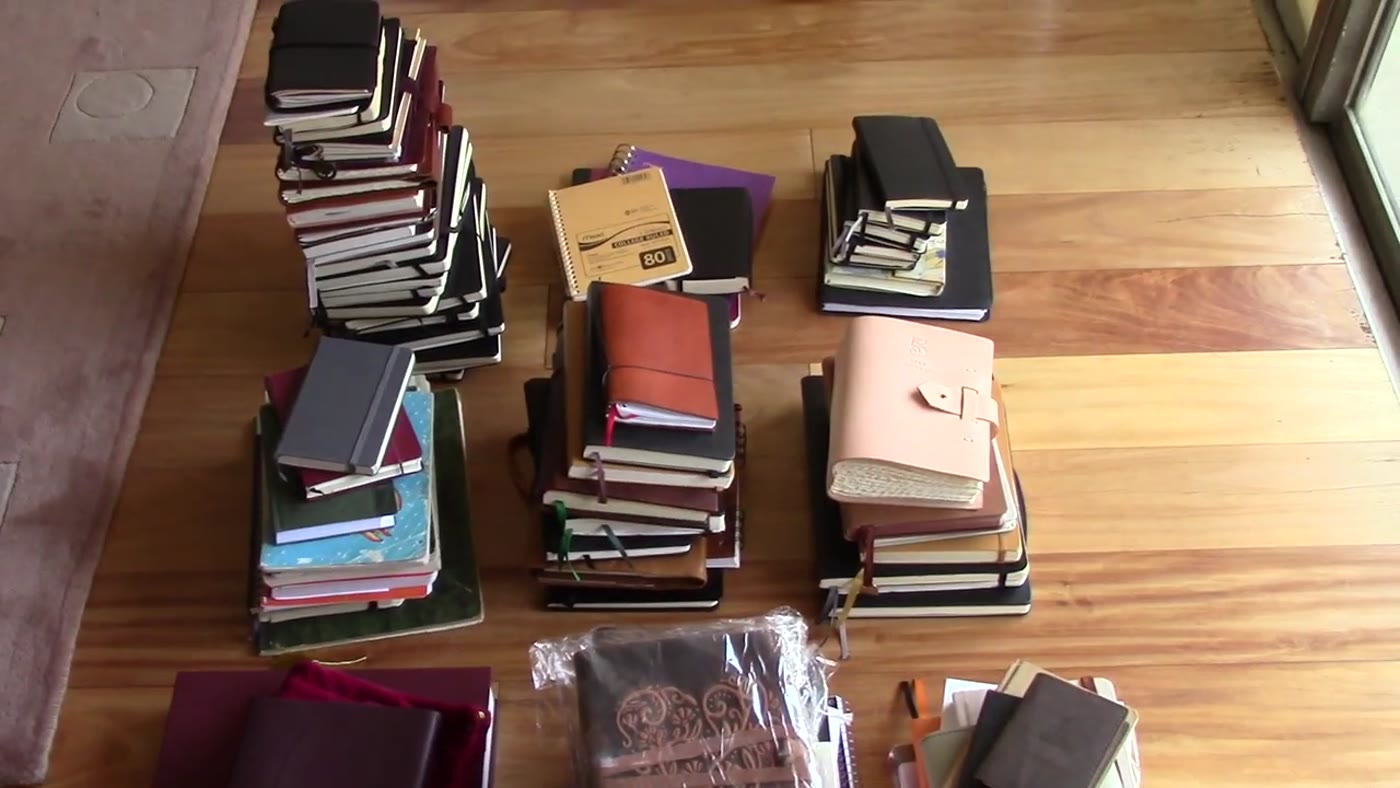
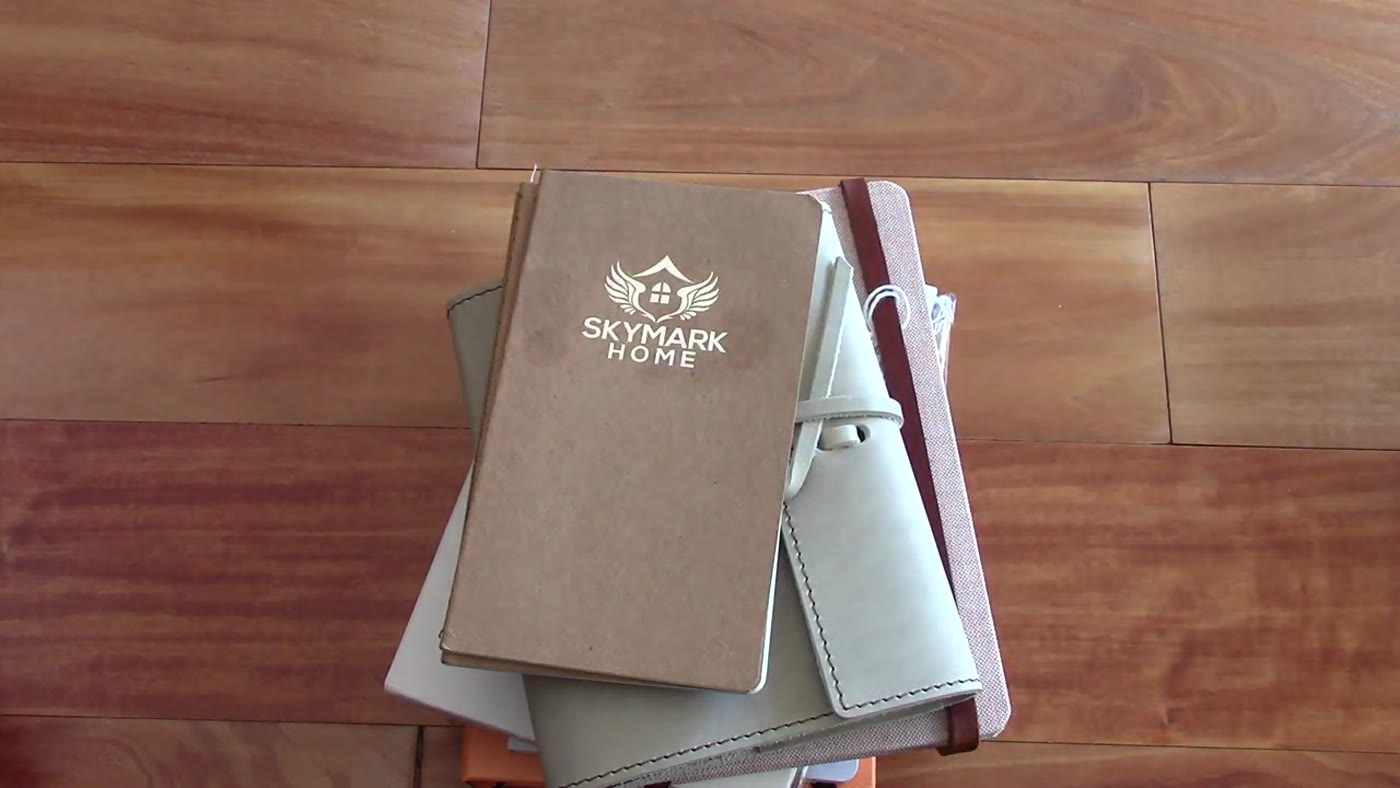
This journal collection tour is a look through a very large mix of used and unused notebooks collected over years of journaling and notebook reviews. It is not a single-product review. It is more useful as a snapshot of what different journal formats look like after real use: travel notebooks, leather covers, Moleskine and Leuchtturm-style books, Tomoe River paper notebooks, spiral notebooks, composition books, and small pocket journals.
The most interesting part is the range. Some journals were filled, some were still waiting to be used, and some were old favorites that clearly shaped later notebook preferences. The video also makes a helpful point for anyone who loves stationery: a big collection can teach you what you actually use. After trying enough formats, you start to notice whether you prefer soft covers or hard covers, portable pocket books or larger A5 notebooks, structured planners or plain journals.
Quick verdict
If you enjoy journals, this tour is useful because it shows notebooks as a long-term habit rather than as isolated purchases. The collection includes beautiful leather journals, practical budget notebooks, classic brands, specialty paper notebooks, and older filled books. Not every journal is perfect, but together they show how much your preferences can change once you have actually written through different formats.
| Video type | Journal collection tour / notebook overview |
|---|---|
| Best for | Journal lovers, notebook collectors, and anyone comparing notebook formats. |
| Collection size | Roughly dozens of used and unused journals shown across the video. |
| Notable formats | Travel notebooks, leather journals, Moleskine-style books, Leuchtturm notebooks, Tomoe River paper notebooks, spiral notebooks, and pocket books. |
| Main takeaway | Trying different notebook styles is one of the best ways to learn what you actually enjoy using. |
The value of seeing a whole journal collection
A full collection tour gives a different kind of information from a normal review. A single review can tell you whether one notebook has good paper, a solid cover, or useful features. A collection tour shows patterns. You can see which types of books stayed in rotation, which formats were bought repeatedly, and which notebooks were memorable enough to keep after use.
In this video, the collection is split between used notebooks and unused notebooks. That distinction is important. A filled notebook says something different from a notebook that only looked appealing on the shelf. Used journals reveal which formats were actually comfortable to write in, carry, and finish.
Travel notebooks and leather covers
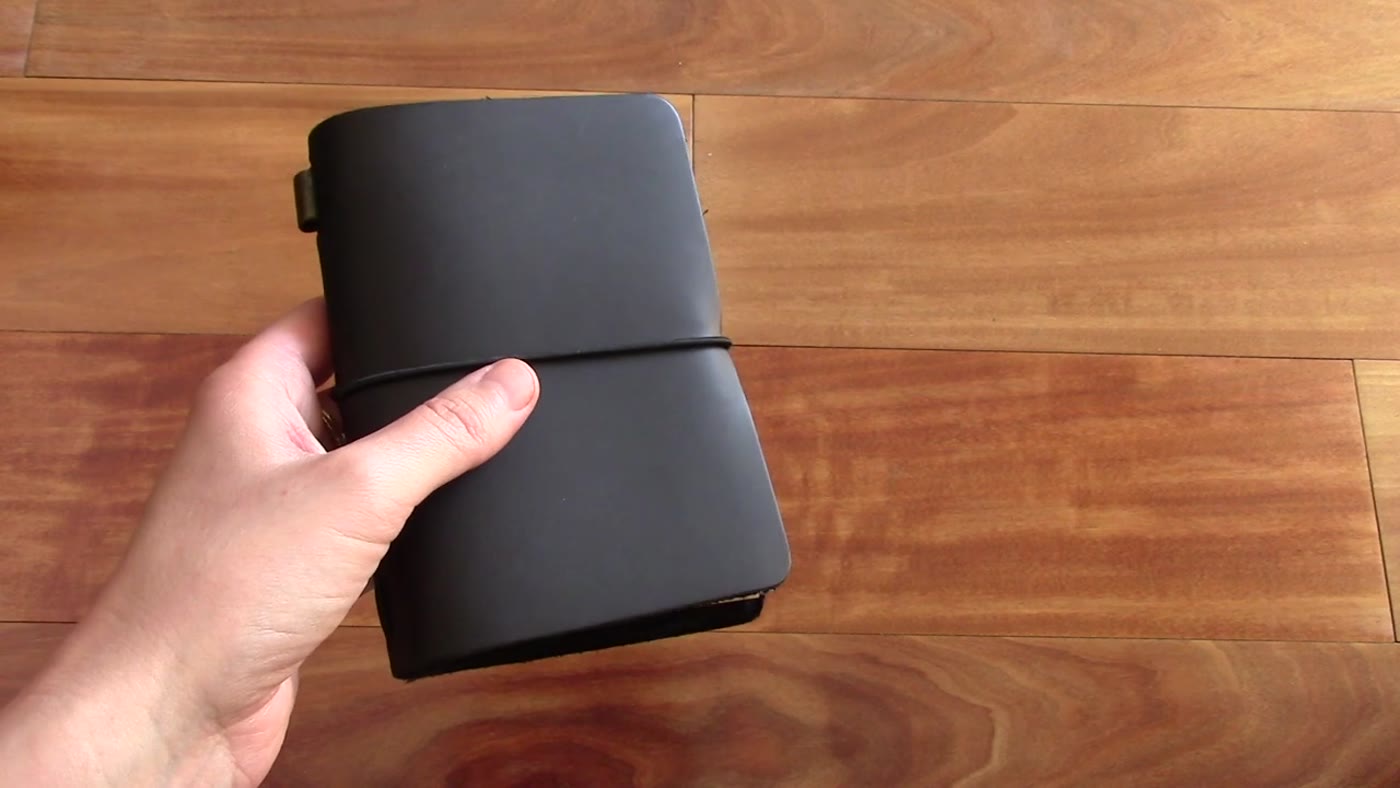
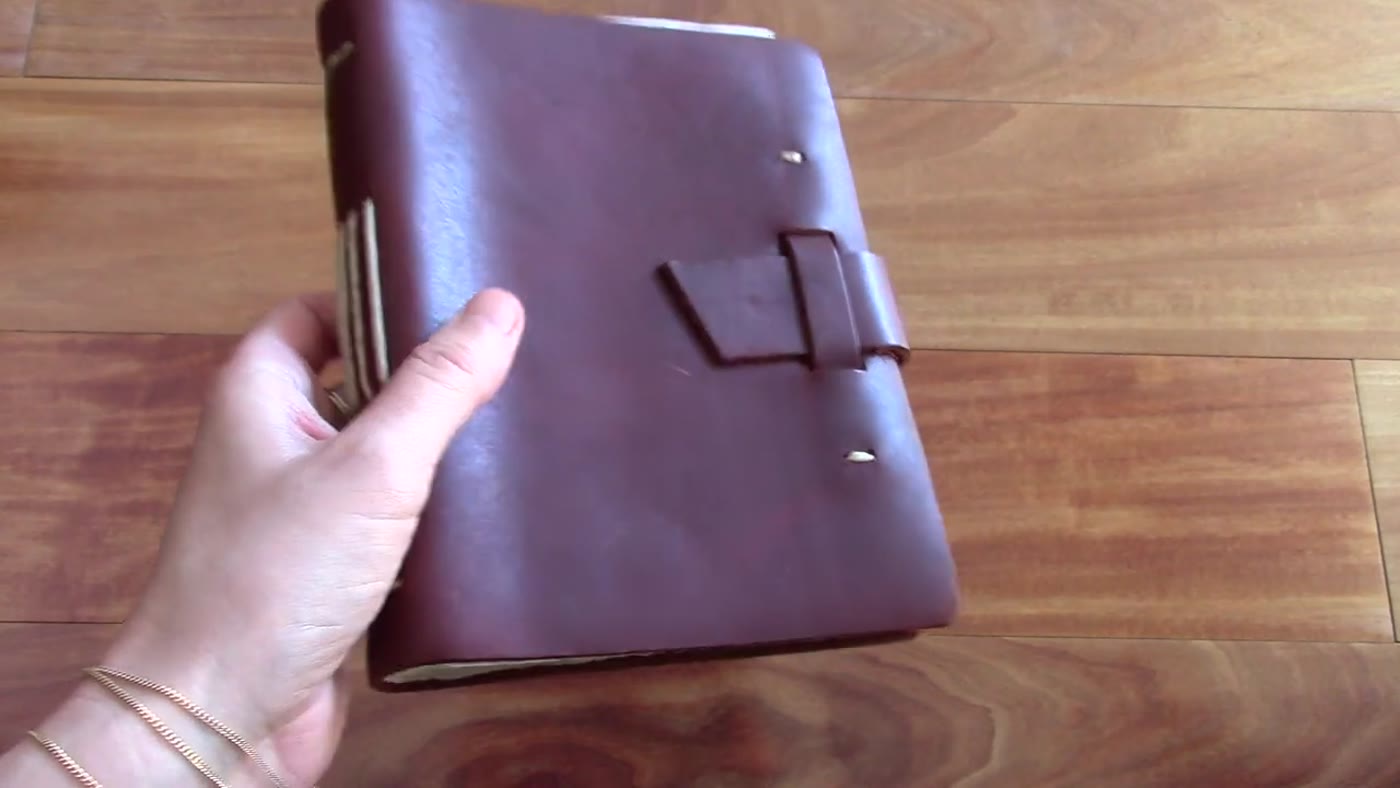
Several of the journals in the tour are travel-notebook-style books or leather covers. These tend to appeal to people who like a more tactile, flexible journaling setup. A leather cover can feel personal and durable, especially if you keep refills inside it or use the same cover for years.
The downside is that travel notebook systems are not for everyone. Some people love the modular inserts and the way the cover ages. Others prefer a simple bound notebook with no setup. The collection makes that difference clear: the best notebook is not just the nicest material, but the format you keep returning to.
Used journals are the most honest reviews
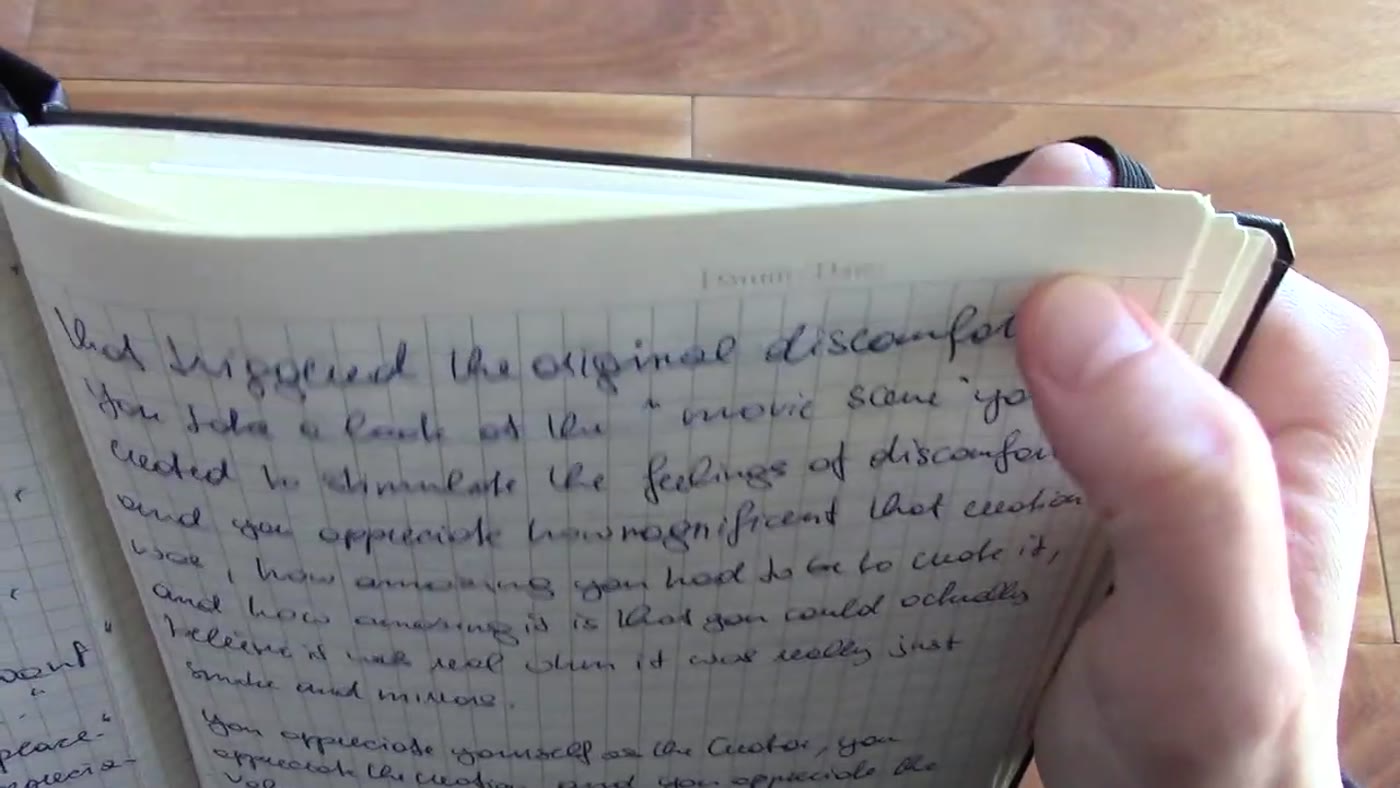
The filled journals are the most useful part of the tour because they show what notebooks look like after real writing. A notebook can look perfect when new, but the binding, elastic, cover, and paper only prove themselves over time. Filled books also show whether a size was practical enough to finish.
That is why durability videos and collection tours are so helpful. They show the after-state. You can see whether the spine still looks good, whether the cover stayed neat, whether the paper handled ordinary writing, and whether the book still feels worth keeping after it has served its purpose.
Classic notebook brands and budget options
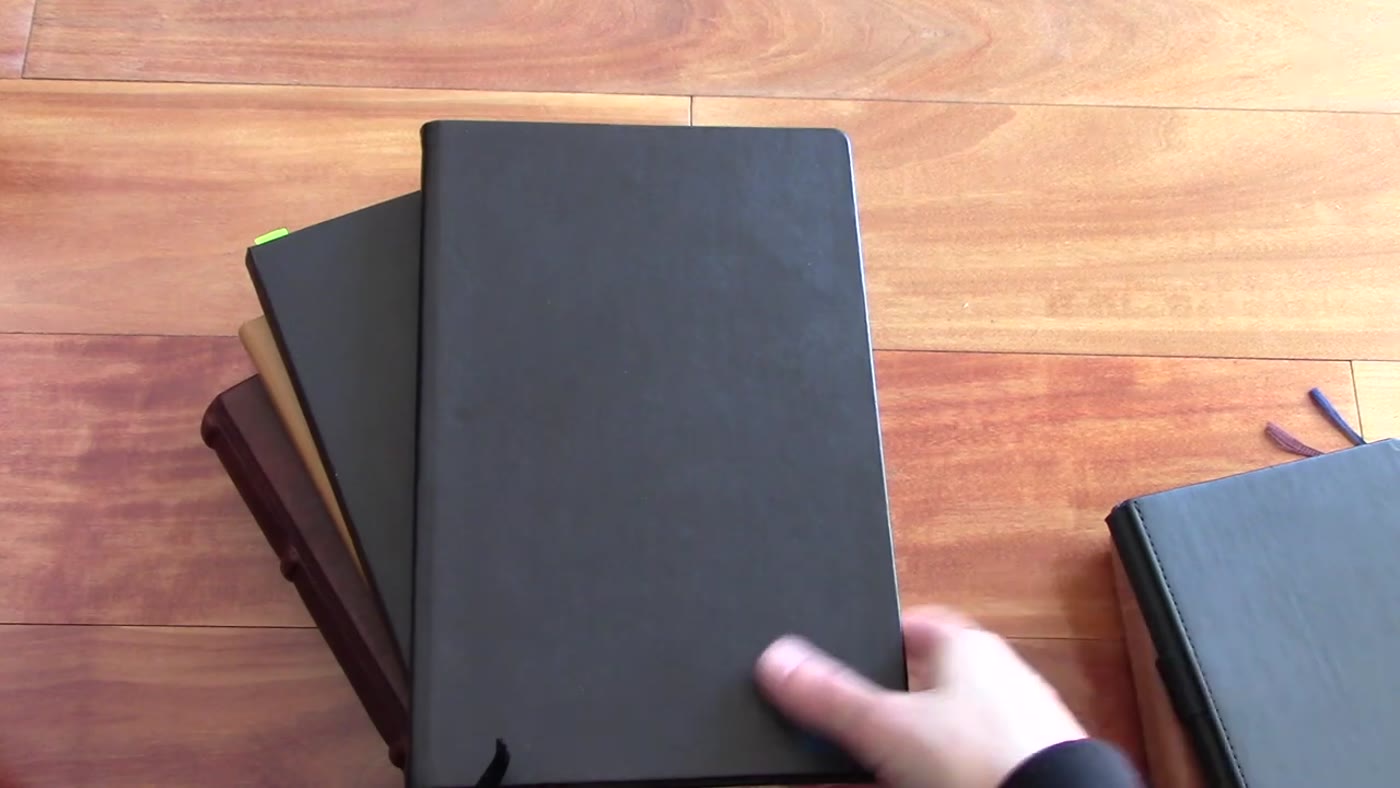
The tour includes plenty of familiar notebook styles, including Moleskine-type books, Leuchtturm-style notebooks, budget alternatives, and older school notebooks. That range is useful because it shows that price and reputation do not always decide whether a journal works for you. Sometimes a cheaper notebook is perfectly fine for rough notes. Sometimes a more expensive notebook is worth it because the paper, binding, or format encourages you to keep writing.
The practical lesson is to match the notebook to the job. A daily journal, project notebook, travel notebook, sketchbook, and quick-capture notebook do not all need to be the same kind of book. A collection can look excessive from the outside, but if each format serves a different purpose, it starts to make sense.
Pros and cons of building a journal collection
| Pros | Cons |
|---|---|
|
|
Who this tour is best for
This video is best for people who enjoy notebooks as objects and as tools. If you are deciding what kind of journal to buy next, the variety is useful. You can compare pocket books, travel notebooks, hardcovers, softcovers, and specialty paper notebooks without treating any one format as universally best.
It is also a good reminder to use what you already have. A notebook collection is more satisfying when the books eventually become filled journals rather than permanent shelf decoration. The tour is fun because it includes both: the excitement of unused notebooks and the evidence of books that were actually written through.
What this collection teaches about choosing journals
The most useful lesson from seeing this many journals together is that preferences become clearer through use. A notebook can look perfect online and still be wrong for your writing routine. Another notebook can look ordinary but become a favorite because the size, paper, and cover make it easy to reach for every day.
If you are choosing your next journal, pay attention to the books you have already finished. Finished journals tell you what size you tolerate, how much structure you like, whether you prefer soft or hard covers, and whether portability matters more than page count. That is much more reliable than choosing only by cover design.
FAQ
How many journals are shown in the tour?
The video mentions roughly dozens of journals, including both used and unused notebooks. The exact count is less important than the variety of formats shown.
Is this a review of one specific notebook?
No. This is a collection tour. It gives a broad look at many journals rather than a deep review of one product.
What types of journals appear in the video?
The tour includes travel notebooks, leather journals, Moleskine-style books, Leuchtturm-style notebooks, Tomoe River paper notebooks, spiral notebooks, composition books, and pocket notebooks.
What is the main lesson from the collection?
The main lesson is that real use teaches your preferences. After trying different sizes, papers, covers, and layouts, it becomes much easier to choose notebooks you will actually finish.
Final Thoughts
This journal collection tour is fun because it is personal, but it is also genuinely useful. Seeing a large group of notebooks together makes the differences between formats easier to understand. Some books are clearly practical everyday tools. Some are beautiful objects. Some are budget-friendly experiments. Some become long-term favorites only after they have been used for months.
If you are building your own journal collection, the best approach is to buy slowly and pay attention to what you finish. A filled notebook tells you more than a perfect unused stack. The goal is not just to own more journals, but to find the books that make you want to keep writing.
Choose a journal you’ll actually want to fill
Compare journal formats
Browse a mix of hardcover journals, travel notebooks, leather journals, and everyday notebooks to find the format you will actually use.