

Design a cleaner notebook workflow
Code & Quill Origin Notebook
A compact hardcover notebook with 100gsm paper, a stitched textured cover, and the signature Code & Quill split layout for sketches, notes, wireframes, and everyday writing.
Code & Quill Origin Notebook Review
The Code & Quill Origin is one of those notebooks that was clearly aimed at people who do more than write straight journal entries. The current Amazon listing still emphasizes the compact 5.5 by 7.7 inch hardcover format, 216 pages, 100gsm paper, and two layout options: classic ruled pages or the more distinctive dual-page format with a dotted page on one side and ruled lines on the other. That split layout is the real reason the Origin stands out.
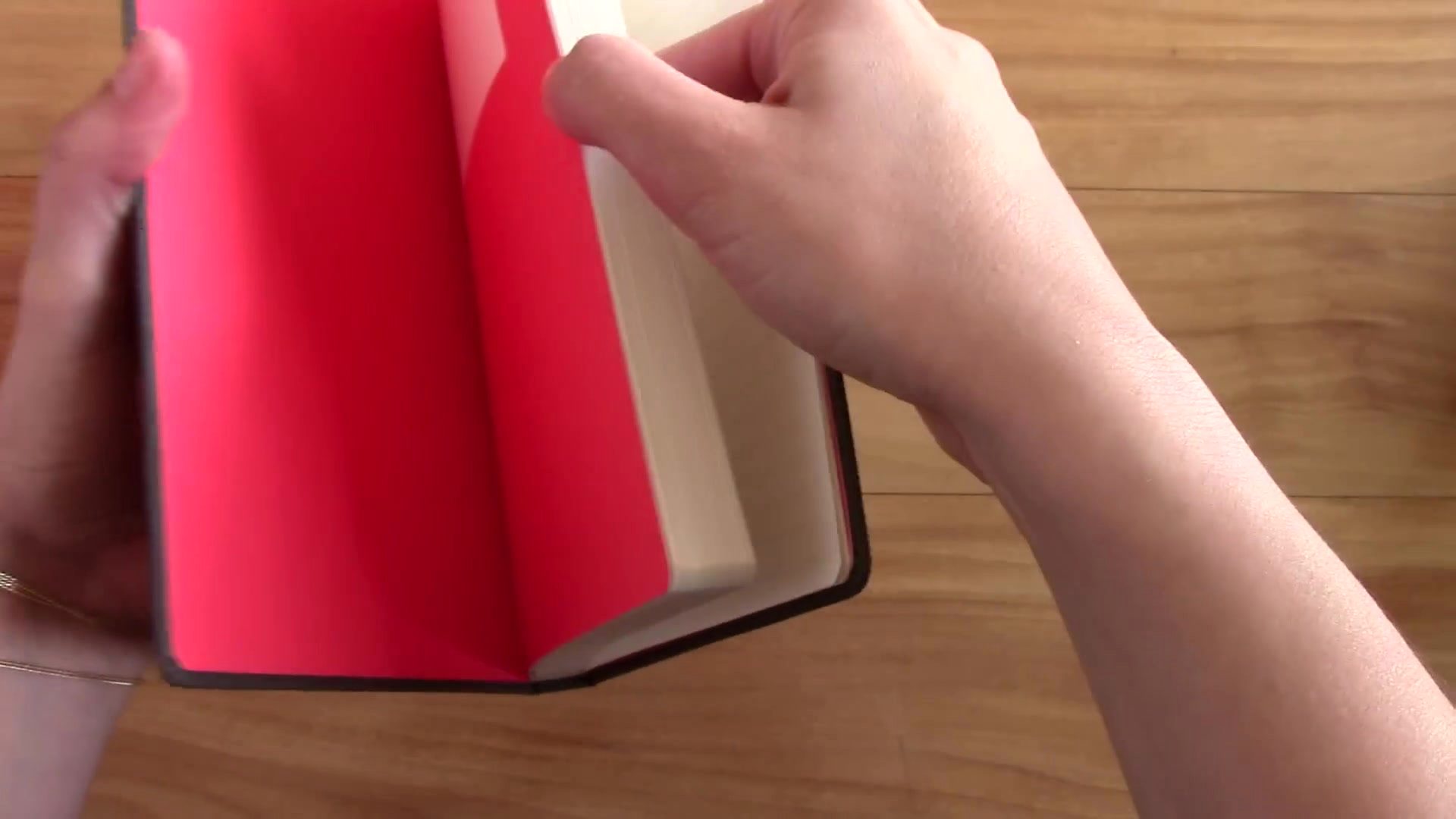
In hand, the Origin feels more structured than a soft everyday notebook. The cover has a textured finish, the logo detail gives it a designed-object feel, and the overall size lands between pocket carry and full A5 desk notebook. It is small enough to carry, but large enough for meeting notes, product ideas, sketches, design annotations, and a daily writing routine.
What Makes the Origin Different
The dual layout is the practical hook. If you choose that version, the notebook gives you one page for visual thinking and one page for structured notes. Designers can sketch interfaces and annotate beside them. Students can outline concepts and write supporting notes. Writers can capture scene ideas, research, or diagrams without needing a second notebook. That is more useful than a generic lined book if your notes move between words and visuals.

Amazon customer sentiment around the Origin is generally positive for paper quality, build, and writing feel. Buyers mention thick paper, minimal ghosting, solid binding, pages that do not fall out, and a notebook that actually lays flat. The mixed note is flatness: many users like it, but expectations vary depending on whether you want a notebook to lie perfectly open from the first page or simply stay usable without fighting you.
Paper, Layout, and Writing Feel
The 100gsm paper is a meaningful upgrade over many mass-market notebooks. It is not magic paper for every wet fountain pen, but buyer feedback points to good thickness, low bleed-through, and minimal ghosting for common pens. It should be comfortable with gel pens, rollerballs, pencils, and many fountain pen setups. If you use very wet inks or broad nibs, recent buyer feedback and your own tolerance for ghosting still matter.
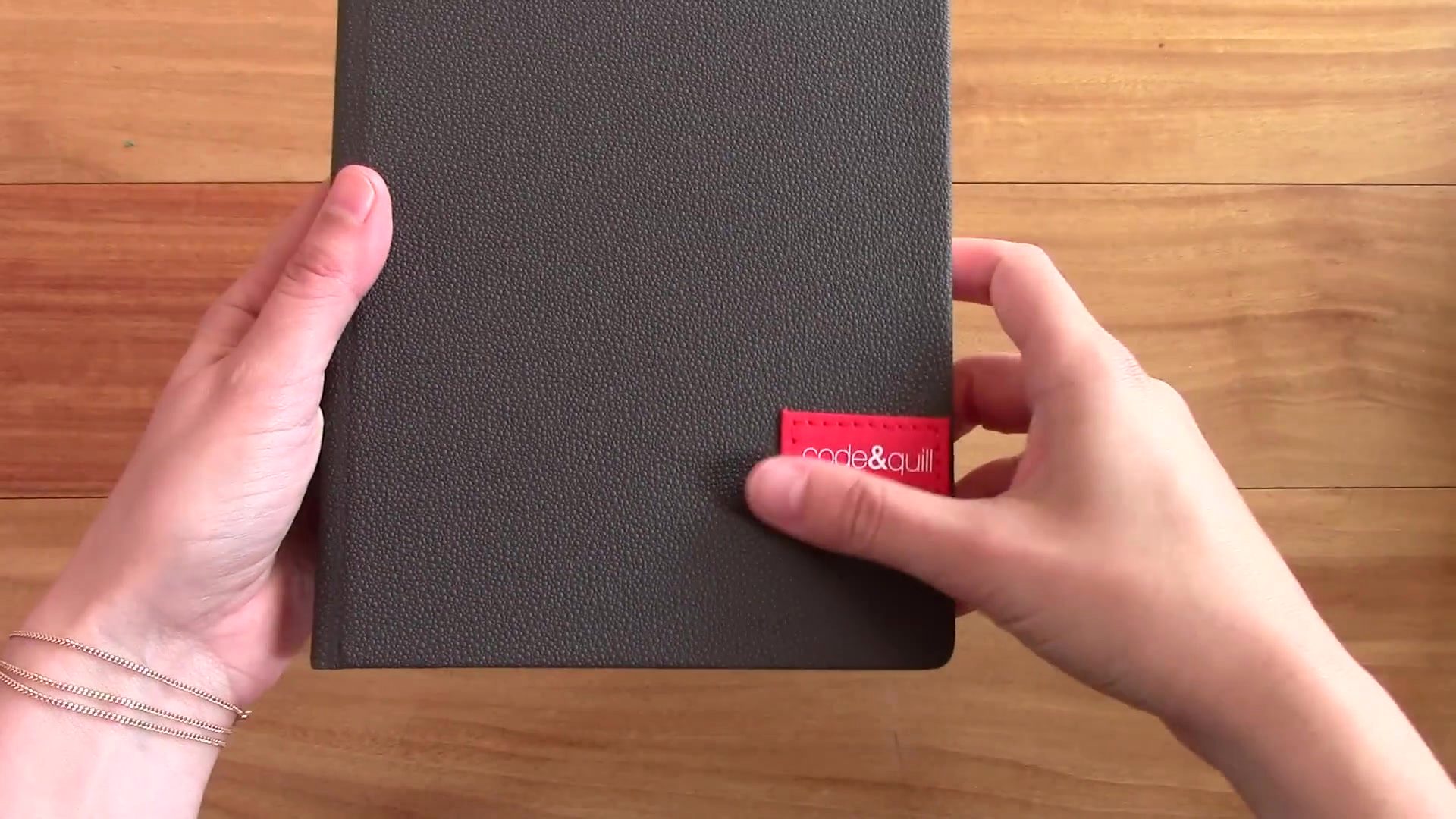
The page layout is where the Origin is either perfect or unnecessary. If you only want long-form journaling, a normal lined notebook may be simpler. If you bounce between notes, diagrams, checklists, and small sketches, the dual-page format earns its keep. The hardcover also makes it feel more stable for desk sessions and meetings than a flexible pocket book.
Who It Fits Best
This notebook fits designers, product thinkers, students, developers, and anyone who wants a hybrid space for writing and sketching. It is also a good pick for people who want a compact but serious notebook for work. It is less ideal if you need a very cheap notebook, a replaceable refill system, or a soft cover that folds back in a bag.

The current Amazon page shows availability can vary, so check the active listing, page count, ruling, and cover details before buying. Older Code & Quill review samples may not match every current variant, and the listing may show similar notebooks or unavailable stock depending on location.
Quick Specs
| Feature | Code & Quill Origin |
|---|---|
| Format | Compact hardcover notebook |
| Approx. size | 5.5 x 7.7 inches on current listing |
| Paper | 100gsm fine-grain paper |
| Pages | 216 pages listed |
| Layouts | Ruled or dual dotted/ruled options |
| Best for | Design notes, work notes, sketches, annotations |
Buying Notes
| Buyer concern | What to check |
|---|---|
| Paper performance | Recent reviews for your pen type, especially fountain pens |
| Layout | Classic ruled versus dual-page format |
| Portability | Compact size versus full A5 writing room |
| Availability | Current Amazon stock and seller details |
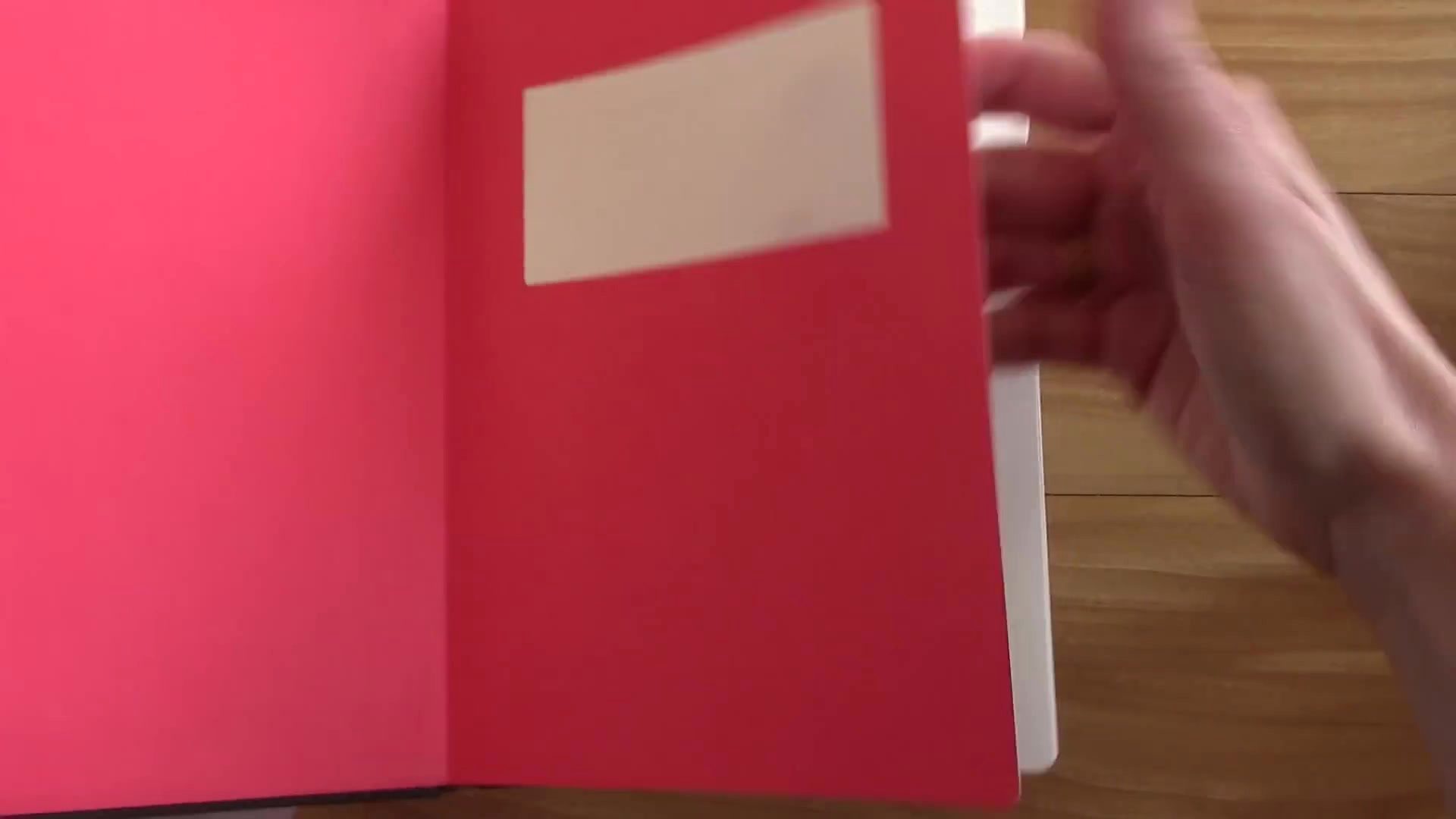
The next view adds another angle so the product details are easier to compare in context.

FAQ
Is the Code & Quill Origin paper good for fountain pens?
The listing highlights 100gsm paper and buyer sentiment mentions thick paper, low bleed-through, and minimal ghosting. Many fountain pen users should find it usable, but very wet inks and broad nibs can still show through more than gel pens or pencils.
Should I choose the dual layout or classic ruled layout?
Choose the dual layout if you sketch, wireframe, mind-map, or annotate beside written notes. Choose ruled if you mainly journal, study, or take linear meeting notes. The dual format is the unique reason to buy the Origin.
Does the notebook really lay flat?
Customer sentiment is mostly positive around the lay-flat feel, but not everyone has the same standard. Expect a notebook that is easier to use open on a desk than many hardcovers, not necessarily a perfectly flat art pad.
What should I check before buying the Origin?
Check current availability, layout, page count, cover color, and recent buyer photos. The Origin has had multiple variants over time, so the active listing matters more than an older review sample.
Real-World Writing Use
The Origin is strongest as a thinking notebook rather than a plain diary. In a workday it can hold a project outline, a meeting sketch, a quick visual map, and a follow-up task list without forcing every idea into the same lined format. That is the practical advantage of the dual page design. It reduces the friction of switching between a sketchbook and a notebook.
The build also suits people who carry one notebook for a few focused months instead of constantly swapping cheap pads. The hardcover protects pages in a bag, the compact size keeps it portable, and the heavier paper makes the writing experience feel intentional. If your main use is fountain-pen journaling, compare current review photos and ink comments carefully. If your main use is pencil, gel pen, rollerball, or design notes, the Origin is easier to recommend.
The one thing to avoid is buying it just because it looks premium. The Origin earns its price when the layout supports your workflow. If you do not need sketches, diagrams, annotations, or split thinking, a simpler notebook may deliver the same daily value for less.
As a buying decision, the Origin is easiest to justify when you specifically want a compact notebook for mixed work: written notes, sketches, diagrams, and annotated ideas. If you only need a cheap lined book, it is overbuilt; if you want one notebook that makes messy thinking easier to organize, the format makes sense.
Final Thoughts
The Code & Quill Origin is worth considering if your notebook needs to handle structured writing and visual thinking in the same place. The paper, compact hardcover build, and dual layout make it more purposeful than a generic lined notebook, especially for design and work notes.
Design a cleaner notebook workflow
Code & Quill Origin Notebook
A compact hardcover notebook with 100gsm paper, a stitched textured cover, and the signature Code & Quill split layout for sketches, notes, wireframes, and everyday writing.