

Worth checking out
Shop Moleskine daily planners
Compare current Moleskine Daily Planner options if you are choosing between the sturdier hardcover and the softer, more flexible softcover format.
Quick verdict
The Moleskine Daily Planner softcover feels better in hand, but the hardcover is the sturdier everyday choice. Because the internal layout is basically the same, the decision comes down to how you carry your planner and whether you prefer structure or flexibility.
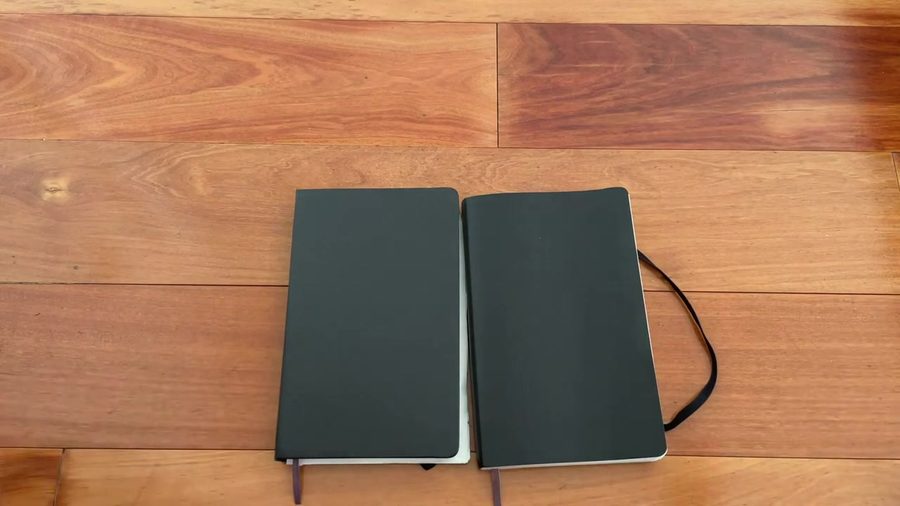
This comparison is based on using the Moleskine Daily Planner hardcover for one year and the softcover for another. That makes it a practical long-term comparison rather than a quick unboxing. Both planners do the same job: one page per day, classic Moleskine styling, bookmark ribbon, elastic closure, and enough room for daily notes, tasks, appointments, and journaling-style planning.
The interesting part is that the differences are not really about the page layout. They are about the cover, the feel, the strap, and how the planner behaves after months of real use.
Cover feel
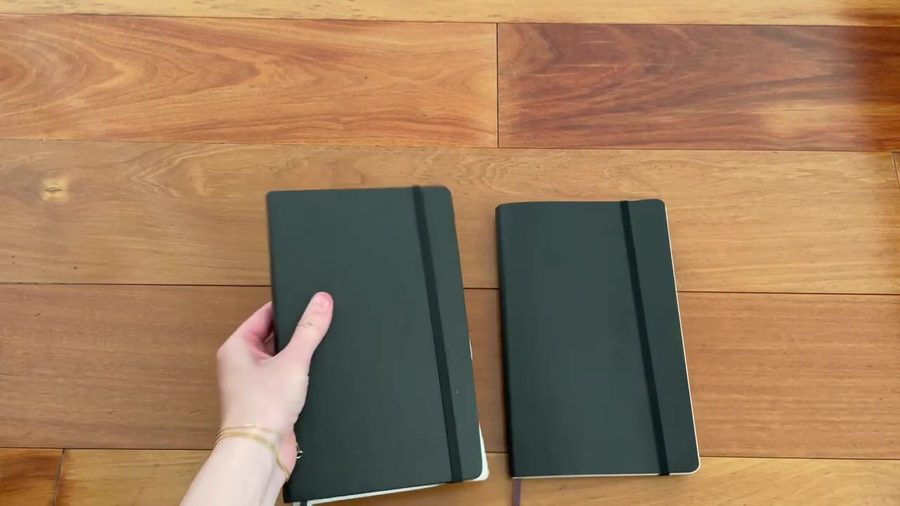
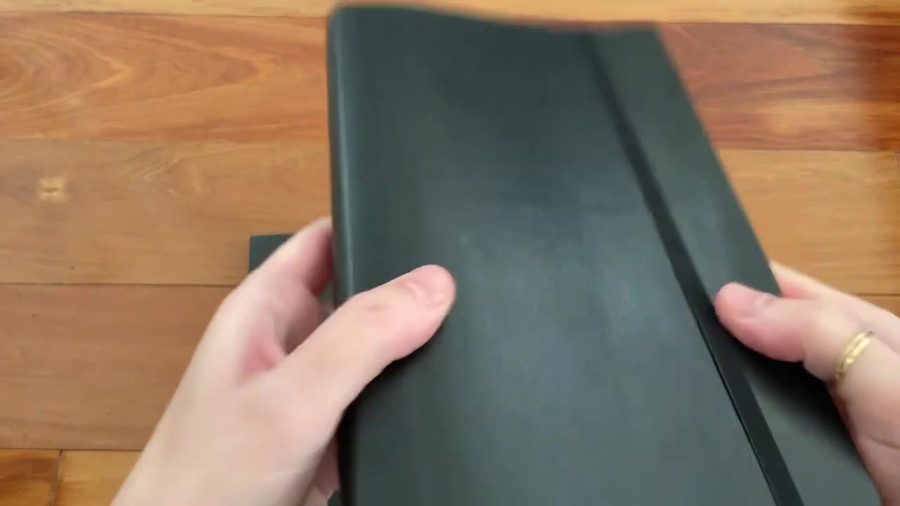
The softcover immediately feels nicer to touch. Both covers are leatherette, but the softcover has a softer, more flexible feel that comes closer to the impression of real leather. If you judge the planner by how it feels in hand, the softcover is the more pleasant option.
The hardcover feels more rigid and protective. It is not uncomfortable, but it has more of a board-like structure. That can be a benefit if you write on the go, toss your planner into a bag, or want something that stays flat and protected.
Inside layout
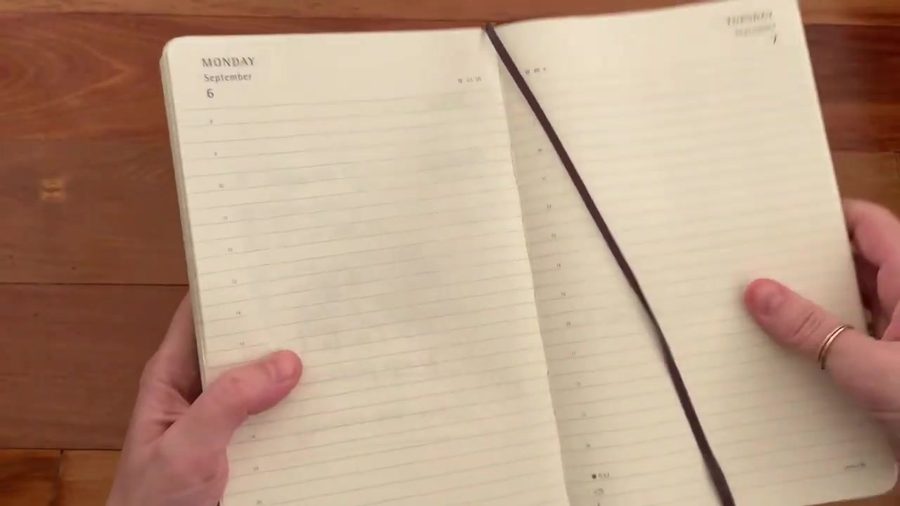
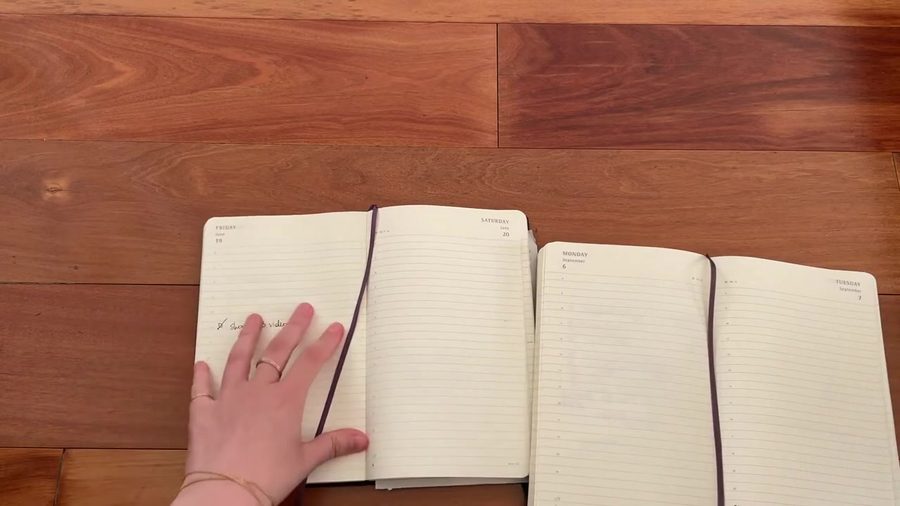
Inside, the planners are much more similar than different. You still get the daily Moleskine format: dated pages, plenty of writing space, and a simple structure that can handle appointments, tasks, and notes. If you already know you like the Moleskine Daily Planner layout, either cover version will feel familiar.
This is why the cover choice matters so much. You are not choosing between two different planning systems. You are choosing between two different physical versions of the same basic planner.
| Feature | Hardcover | Softcover |
|---|---|---|
| Feel in hand | Structured and firm | Softer and more flexible |
| Durability | Better protection in bags | Comfortable but more bendable |
| Writing support | More stable surface | Needs a flatter surface |
| Best for | Work, travel, rougher carry | Desk use, journaling, softer handling |
| Winner | Practical durability | Comfort and feel |
Thickness and structure
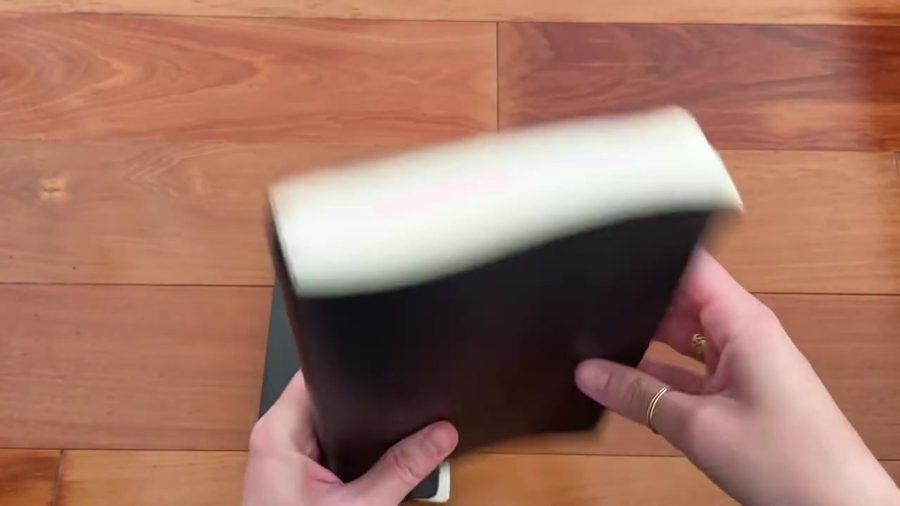
Both daily planners become chunky because a page-per-day layout adds up quickly. The hardcover manages that thickness with more structure. It feels like a more protected book, which is useful if the planner is going in and out of bags all year.
The softcover is more flexible around the page block. That flexibility is pleasant, but it also means the planner can feel less protected at the edges. If you are hard on your notebooks, the hardcover is the safer option.
After a year of use
Using one for a full year makes the comparison clearer. The softcover is enjoyable because it feels less stiff and more personal. It is the one I prefer touching, holding, and casually flipping through. The hardcover is less charming, but it has the practical advantage of feeling more secure.
The elastic closure also differs slightly. The hardcover version has a slightly thicker strap, while the softcover strap feels a bit slimmer. It is a small detail, but on a planner used every day, small handling differences become noticeable.
Hardcover pros
- More protective in a bag
- Sturdier writing surface
- Better structure for a thick daily planner
- Feels more secure for travel or work use
Softcover pros
- Softer, nicer cover feel
- More flexible and comfortable to hold
- Feels a little more personal and less rigid
- Great if you mostly use it at a desk
Which one would I buy?
If I were choosing only by feel, I would pick the softcover. It is nicer to handle and has a more pleasant tactile quality. But if I were choosing for durability, commuting, or daily carry, the hardcover is probably the smarter choice.
That is the core trade-off: softcover for comfort, hardcover for protection. Since the layout is the same, choose based on your life rather than the pages.
There is also a mindset difference. The hardcover feels like a planner you can depend on when life is busy and the book is being carried everywhere. The softcover feels more relaxed, almost like a daily journal that happens to have dates printed in it. If you use your planner as a serious work tool, the hardcover makes sense. If you use it as a reflective daily log, the softcover is more inviting.
Everyday planning experience
The biggest practical question is not which planner looks better when it is new. It is which one you will still want to open in September, October, and November. A daily planner is a commitment, and small annoyances matter more when you repeat them hundreds of times.
The hardcover version is more forgiving if your planner lives in a tote bag, backpack, or work bag. The corners and page block feel better protected, and the firm cover gives you a more stable surface if you need to write away from a desk. That makes it the safer pick for commuters, students, and anyone who treats a planner as a work tool.
The softcover version is more inviting for slower planning. It bends more easily, feels nicer under the hand, and has a softer journal-like quality. If your daily planner is part schedule, part diary, and part reflection space, that comfort can matter more than pure durability.
Bottom line for choosing
For most people, the hardcover is the safer recommendation because daily planners get handled constantly. They sit open on desks, travel in bags, and are often written in quickly rather than carefully. A firmer cover simply gives the page block more support.
But the softcover is the one with more personality. It feels less formal, less stiff, and more pleasant for slow planning sessions. If you are choosing a planner because you want to enjoy the ritual of opening it every morning, that softer feel is a real advantage.
FAQ
Is the hardcover or softcover Moleskine Daily Planner better?
The softcover feels better in hand, while the hardcover is sturdier and more protective. The better choice depends on how you carry and use it.
Do they have the same page layout?
Yes. The daily layout is essentially the same, so the comparison is mainly about the physical cover and handling.
Which is better for commuting?
The hardcover is better for commuting because it protects the page block more and gives a firmer writing surface.
Which is better for desk journaling?
The softcover is lovely for desk use because it feels softer and more comfortable to handle.
Final thoughts
The Moleskine Daily Planner hardcover and softcover are closer than they look. The planner system is the same; the experience changes because of the cover. The hardcover is the practical, protective option. The softcover is the nicer object to hold.
If you are rough on planners or carry one everywhere, choose the hardcover. If your planner mostly lives at your desk and you care about touch and flexibility, the softcover is the one I would reach for.