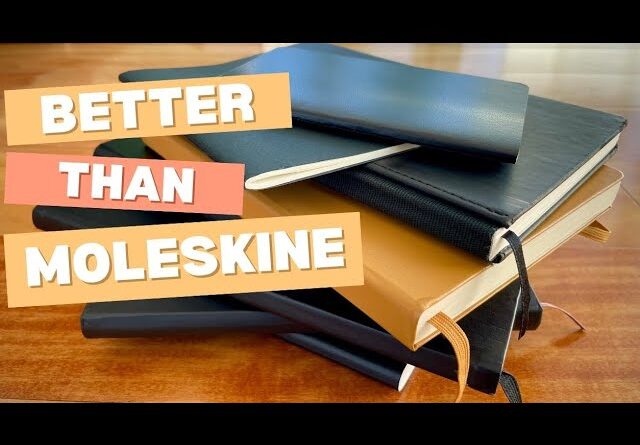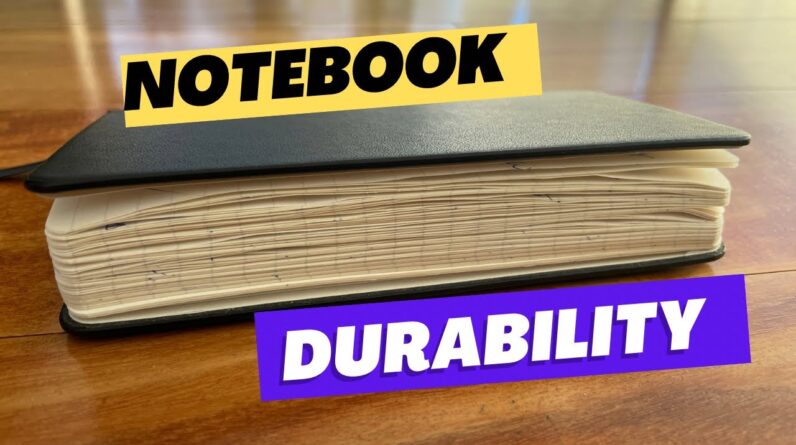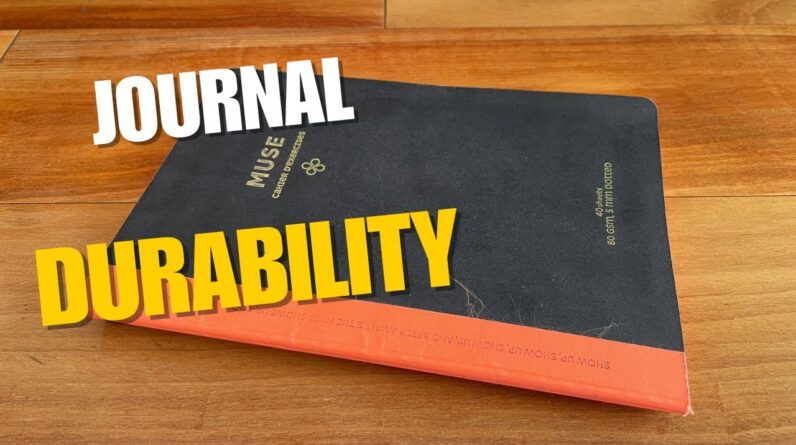


Keep your notes in a classic everyday format
Moleskine Classic Notebook
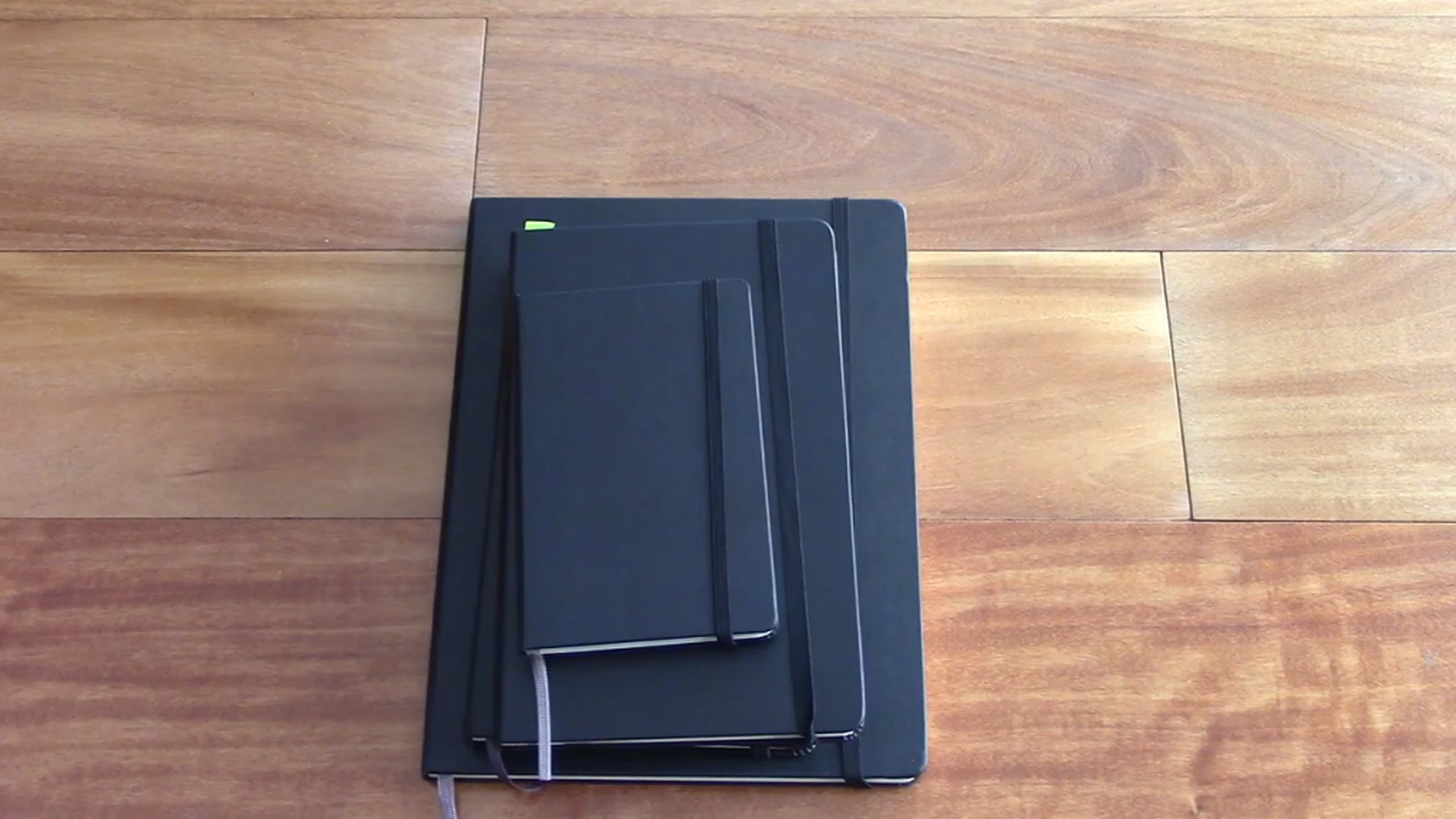
The classic black notebook format with elastic closure, ribbon marker, back pocket, and cream paper — still iconic, but worth matching with the right pens.
This Moleskine quality in 2020 review looks at a question many notebook fans have asked: what happened to Moleskine, and is the Classic Notebook still worth buying? Moleskine remains one of the most recognizable notebook brands, but recognition does not automatically mean the paper and construction satisfy modern journalers.
The video focuses on the real user experience: paper feel, writing performance, construction details, and whether the notebook still justifies its price when there are so many stronger paper-first alternatives available.
Quick verdict
The Moleskine Classic still has a great form factor and a powerful design legacy, but the quality question depends heavily on your pens. If you use ballpoints, pencils, or dry gel pens, it can still be a reliable everyday notebook. If you use fountain pens, wet inks, or markers, the paper may disappoint compared with brands that prioritize paper performance.
| Notebook | Moleskine Classic Notebook |
|---|---|
| Best for | Everyday notes, travel writing, lists, and journalers who like the classic format |
| Main concern | Paper quality and ink behavior |
| Best pens | Ballpoint, pencil, and drier gel pens |
Why people question Moleskine quality
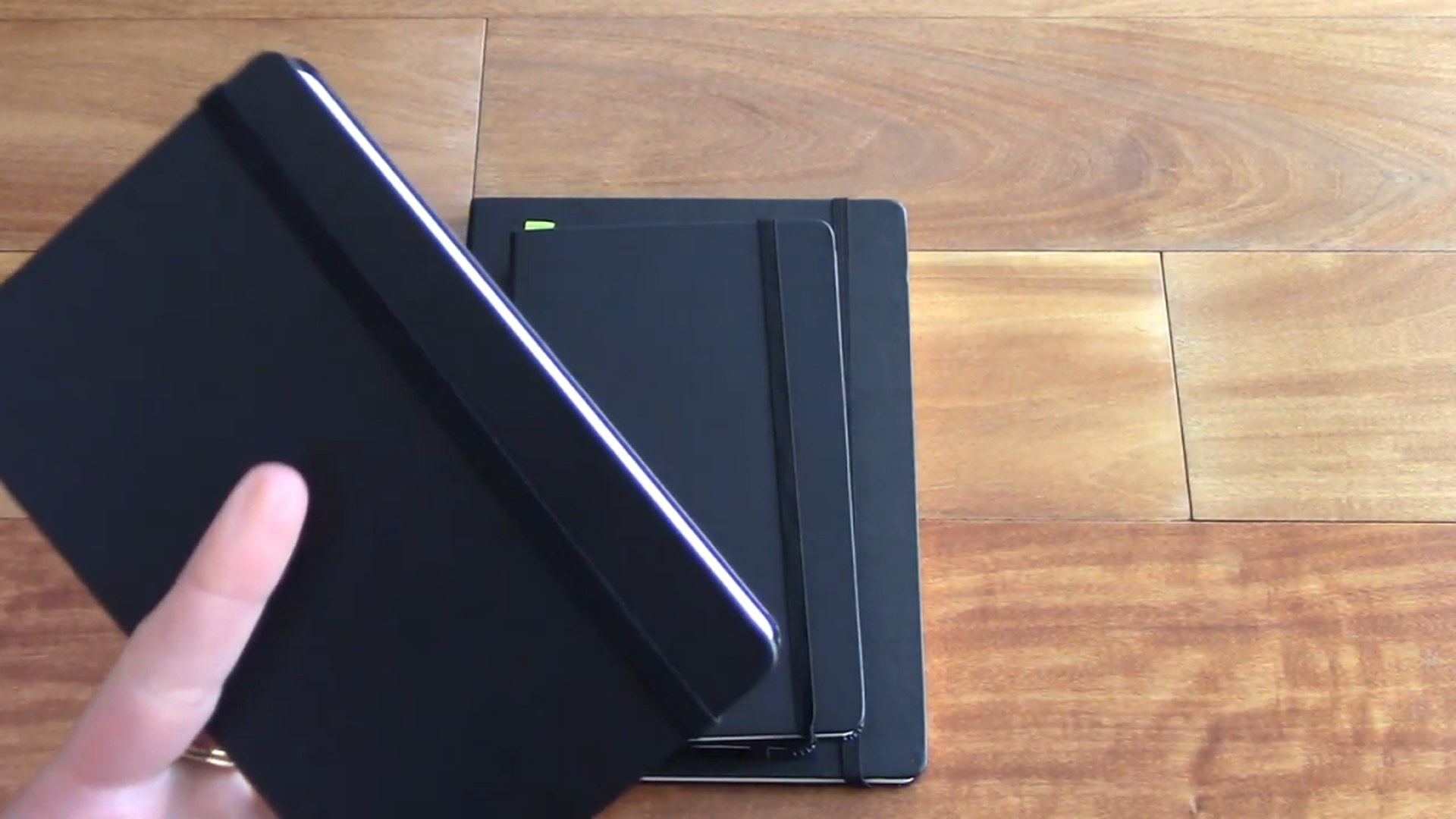
Moleskine built its reputation on a simple, elegant notebook design. The black cover, elastic band, bookmark ribbon, back pocket, and cream pages became a shorthand for serious journaling. But once a design becomes iconic, expectations rise.
The quality debate usually starts with paper. Many writers remember earlier Moleskines fondly, while newer buyers compare them against Leuchtturm1917, Rhodia, Clairefontaine, Tomoe River, and other notebooks with more consistent ink performance. In that environment, Moleskine has to compete on more than nostalgia.
Paper performance in 2020
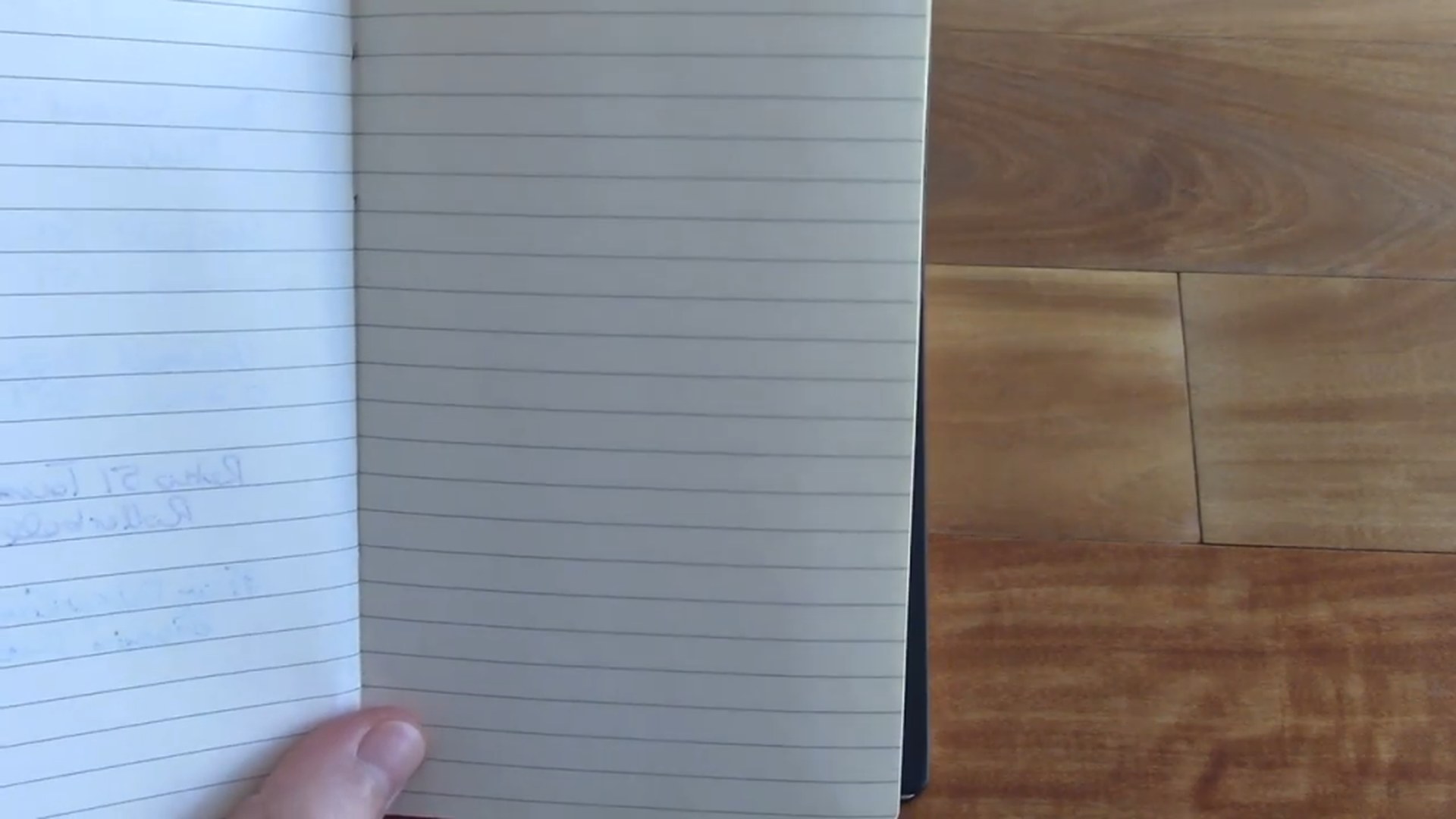
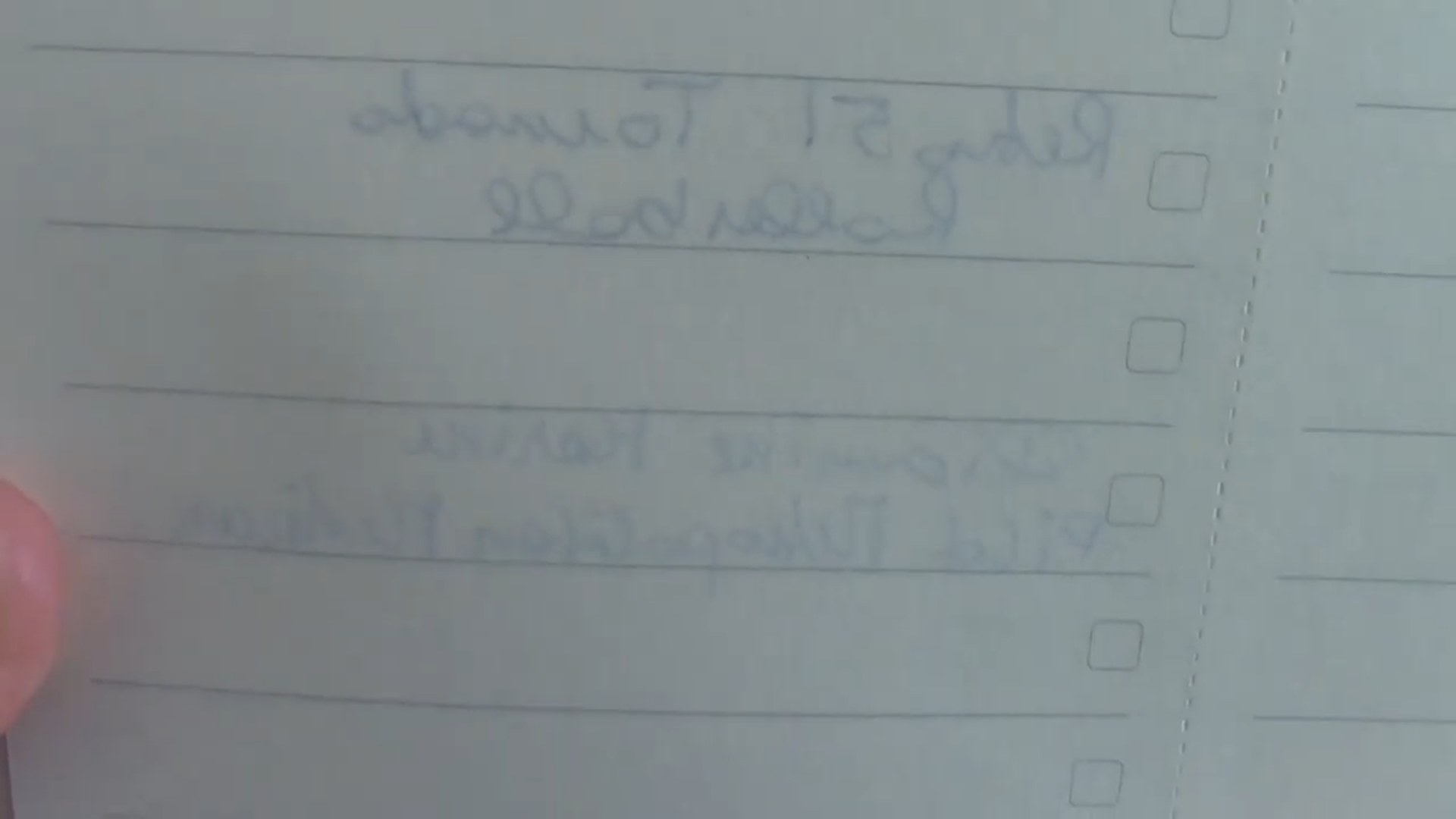
The paper is usable, but it is not a universal paper. That distinction matters. A notebook can be perfectly fine for everyday notes and still be a poor match for fountain pens. Moleskine’s cream paper has a pleasant look, but it can show ghosting, feathering, or bleed-through depending on ink and nib.
If you write with a ballpoint or pencil, the experience is much less dramatic. The page feel is smooth enough, the notebook is easy to carry, and the format works well for lists and daily notes. The frustration comes when people expect premium paper performance from a notebook that is now competing with much more paper-focused brands.
Construction and usability
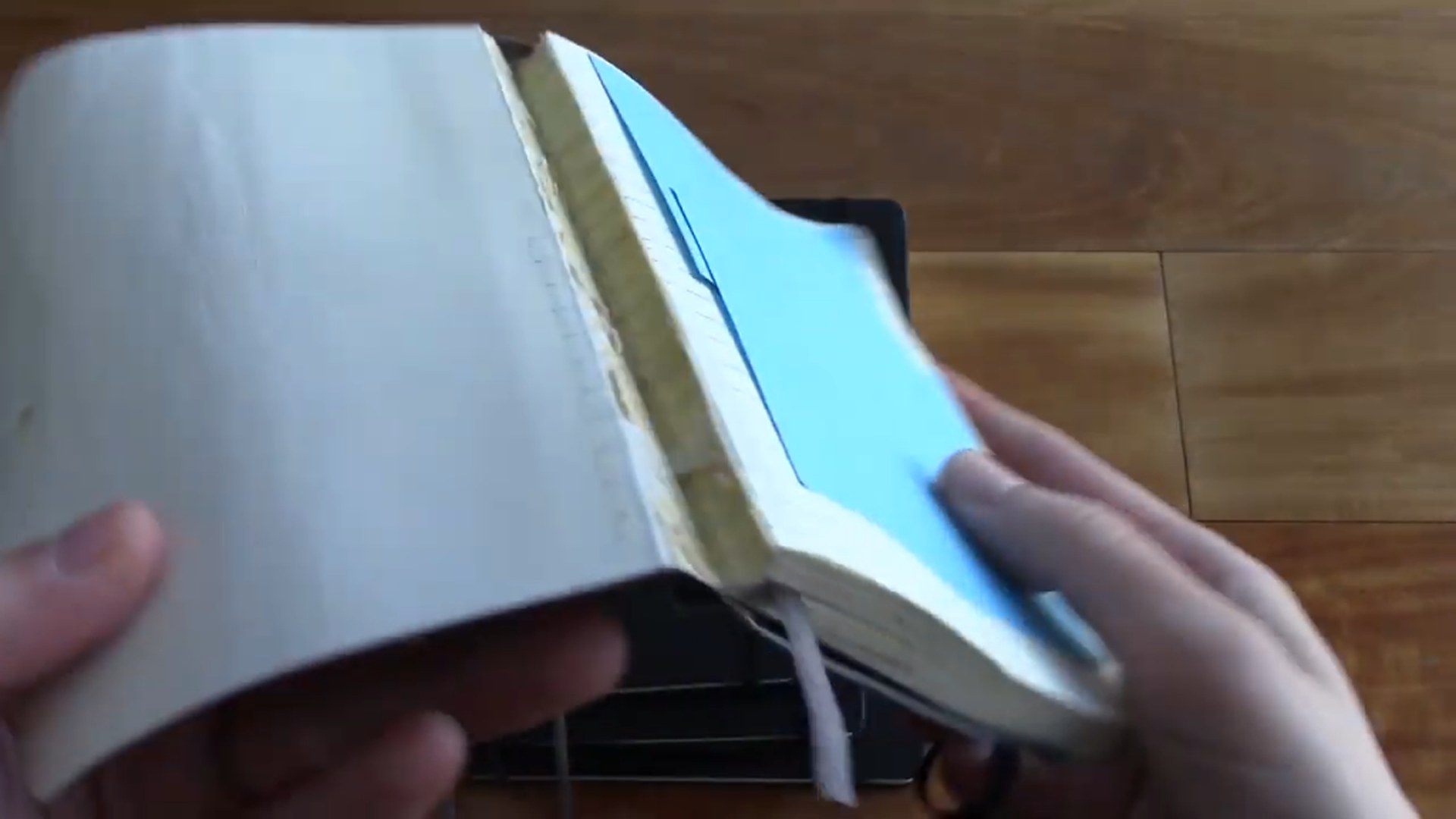
Outside the paper, the Classic Notebook still gets many things right. The hard cover gives structure, the elastic keeps it closed, the ribbon marker is convenient, and the back pocket is genuinely useful. Those features are common now, but Moleskine helped normalize them.
For daily use, the size and shape remain excellent. The large Classic is portable without feeling tiny, and the minimal black cover works in almost any setting. That is why many people keep buying Moleskines even when they know the paper is not their favorite.
Who will still like it?
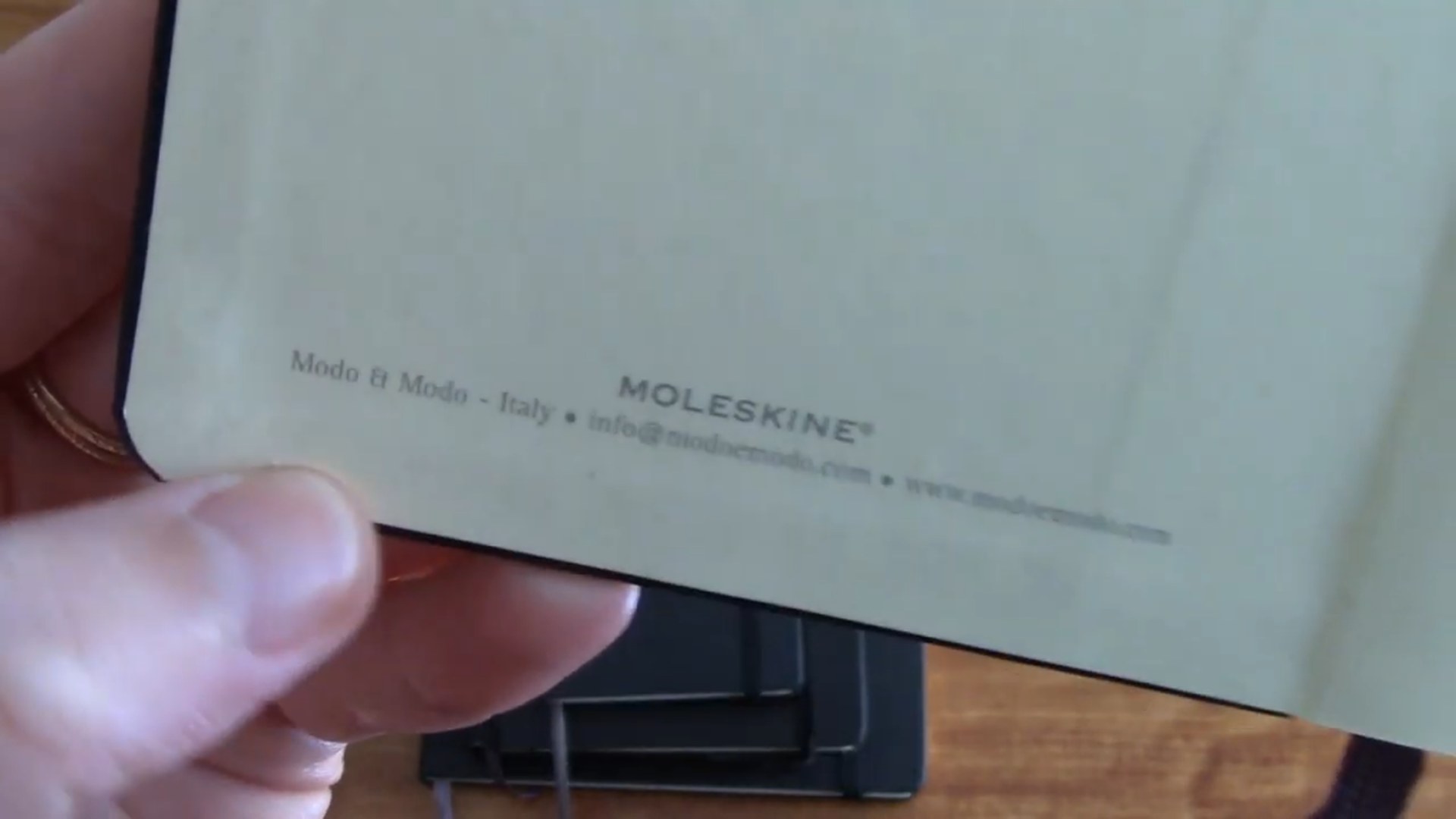
The Moleskine Classic still suits people who want a familiar, minimal, easy-to-find notebook and do not rely on heavy ink. It is also a good fit if you like keeping a consistent shelf of similar journals over time. The design is stable, widely available, and easy to replace.
It is less ideal for stationery hobbyists who judge a notebook primarily by paper behavior. If your main joy comes from fountain pen shading, sheen, and crisp ink lines, you will probably be happier elsewhere. Moleskine is best viewed as a design classic with acceptable everyday paper, not as the top paper-performance option.
Pros and cons
| Pros | Cons |
|---|---|
|
|
Better way to judge Moleskine
The fairest way to judge Moleskine quality is not to ask whether it is the best notebook for every writer. It is not. The better question is whether its design, availability, and format match your actual writing tools. If they do, it can still be a dependable notebook.
If they do not, there is no reason to force it. The notebook market in 2020 and beyond gives you excellent alternatives. Moleskine still has a place, but it is no longer the only obvious premium option.
How Moleskine compares with newer competitors
The biggest challenge for Moleskine in 2020 is that the notebook world has improved around it. Leuchtturm1917 offers numbered pages and stronger bullet-journal features. Rhodia and Clairefontaine are known for smoother paper. Tomoe River notebooks appeal to fountain pen users. Even many budget notebooks now copy the Moleskine silhouette while trying to improve the paper.
That means Moleskine can no longer rely only on being the famous black notebook. It still wins on availability, recognition, and simple design, but buyers now have better choices if they know exactly what they want from paper, binding, or page layout.
Practical buying advice
If you are curious about Moleskine, buy one only after thinking about your pen habits. A ballpoint user and a fountain pen user are effectively buying two different experiences. The first may find the Classic reliable and pleasant. The second may feel let down almost immediately.
For everyday notes, the Classic can still be a good fit. For ink-heavy journaling, test before committing or choose a paper-first brand. The notebook is not bad; it is simply more specific than its broad reputation suggests.
For most buyers, the simplest test is to write one full page with the exact pen you use every day. If the back of the page bothers you, choose another notebook. If it feels fine, the Moleskine design still has plenty of everyday value.
Moleskine quality FAQ
Is Moleskine quality worse now?
Many users feel the paper is less impressive than the brand reputation suggests. The design remains strong, but paper performance depends heavily on the pen.
Are Moleskines good for fountain pens?
They are not the safest choice. Some dry fountain pen combinations may work, but many inks can feather, ghost, or bleed.
What is Moleskine best for?
It is best for everyday notes, travel writing, lists, journaling with dry pens, and people who like the classic black notebook format.
Should I buy a Moleskine in 2020 or later?
Buy one if you like the design and use compatible pens. Choose another brand if paper performance is your top priority.
Final Thoughts
Moleskine quality in 2020 is a mixed story. The Classic Notebook is still attractive, practical, and culturally iconic. It still feels good to carry, and its design remains one of the cleanest notebook templates ever made.
But the paper question is real. If your pens expose the limitations, the notebook can feel overpriced. If your tools match the paper, it can still be a simple, reliable daily journal. The best answer is not blind loyalty or total dismissal — it is matching the notebook to the way you actually write.
Keep your notes in a classic everyday format
Moleskine Classic Notebook
The classic black notebook format with elastic closure, ribbon marker, back pocket, and cream paper — still iconic, but worth matching with the right pens.