

Worth checking out
Shop Tomoe River paper notebooks
Tomoe River stock changes constantly, so a broad Amazon search is the safest way to compare current notebooks, pads, and loose sheets using Tomoe River-style paper.
This Tomoe River paper update was one of those notebook-world videos that felt genuinely sad at the time. Tomoe River had become a favorite paper for fountain pen users, journal keepers, and anyone who loved thin paper that still behaved beautifully with ink. The news in the video was that production of both the 52gsm and 68gsm versions had been discontinued by Tomoegawa, with the company pointing to base-paper changes, pulp-cost pressure, and demand concerns.
Since this is a product-news style post rather than a normal notebook review, the useful question is not simply whether Tomoe River paper is “good.” The better question is what made it special, why the discontinuation mattered so much, and what you should look for if you are buying Tomoe River notebooks or loose sheets now.
Quick verdict
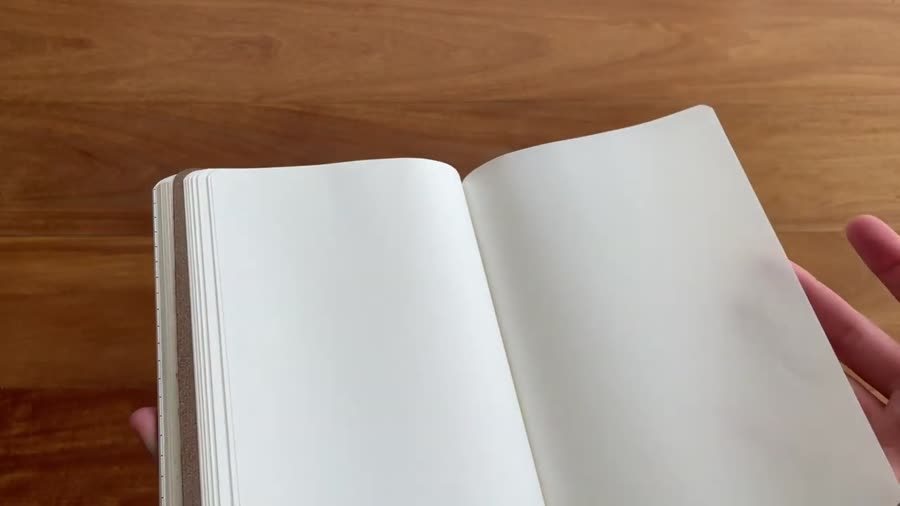
Tomoe River paper earned its reputation because it combined traits that usually do not go together: it was incredibly thin, had a lovely crinkly feel, and still performed well with fountain pens, rollerballs, and other wet inks. It could show sheen and shading beautifully without the kind of feathering and bleed-through you might expect from paper that light.
The practical verdict is simple: if a specific Tomoe River notebook, GSM, or older paper version matters to you, do not assume it will always be easy to replace. Availability has shifted over time, and small notebook makers can run out faster than large planner brands. Compare current listings carefully and check whether the product is old-stock Tomoe River, newer Sanzen-style Tomoe River paper, or simply “Tomoe River-like” paper.
| Point | What it means |
|---|---|
| Paper weights discussed | 52gsm and 68gsm Tomoe River paper |
| Main appeal | Very thin paper with strong fountain pen performance |
| Best features | Ink sheen, shading, low feathering, low bleed-through, page crinkle |
| Trade-off | Some ghosting is normal because the paper is so thin |
| Buying advice | Check the exact paper version and stock status before buying |
Why Tomoe River paper mattered
The reason people reacted so strongly to the discontinuation news is that Tomoe River paper was not just another notebook paper. It had a particular personality. The 52gsm version especially was thin enough to make a notebook feel almost impossible: hundreds of pages could fit into a compact book, yet the paper could still handle fountain pen ink better than many thicker papers.
For ink lovers, Tomoe River was famous for showing off sheen and color variation. That matters if you use fountain pens, because some inks only reveal their best character on paper that keeps the ink sitting cleanly on the surface long enough to dry properly. The downside is drying time and ghosting, but for many users that was part of the charm.
The notebooks mentioned in the video
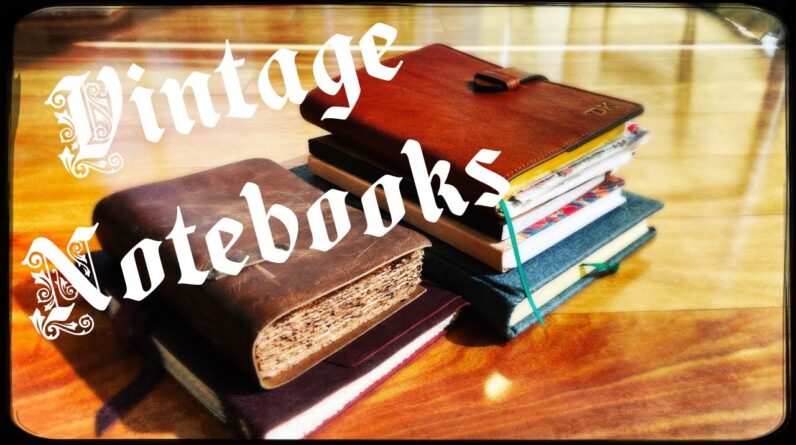
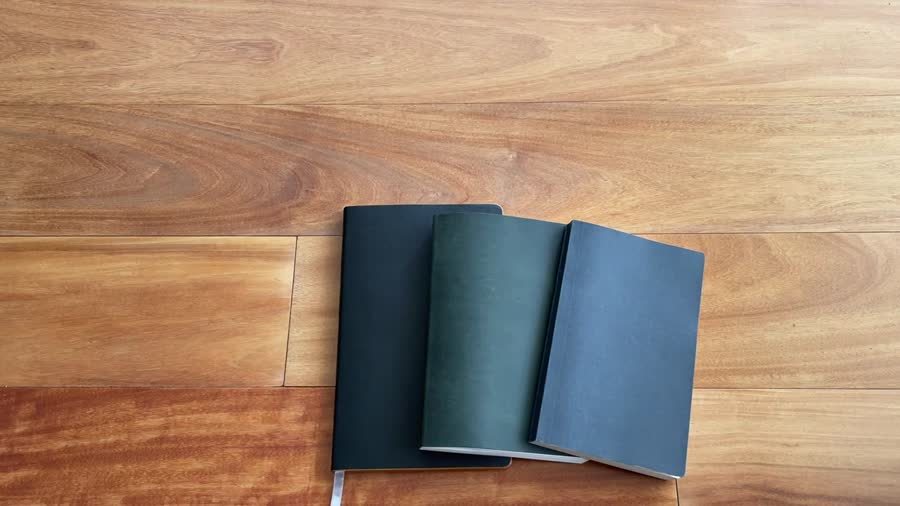
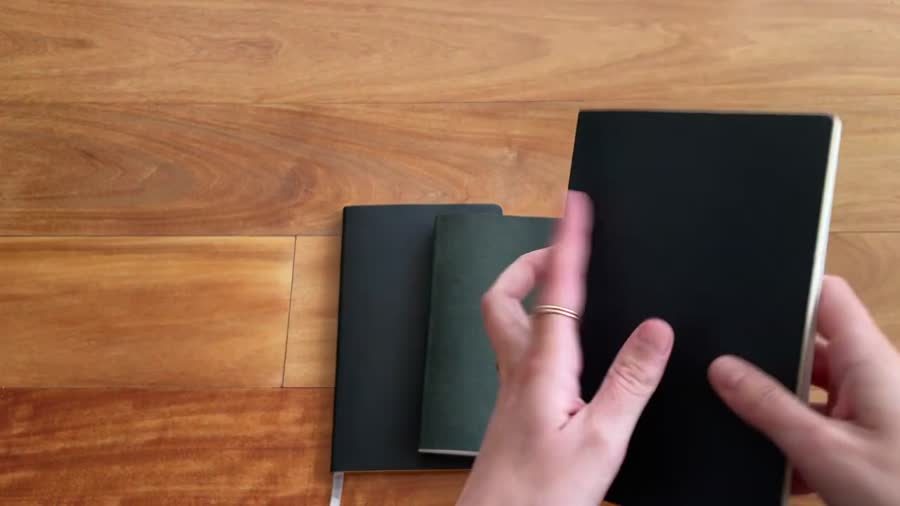
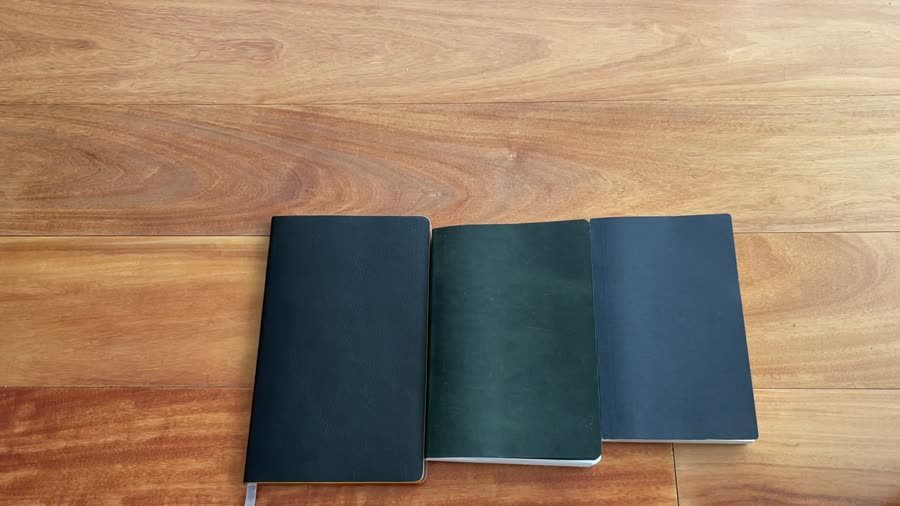
The video shows a few Tomoe River notebook examples, including a Nanami Paper Cafe Note, a Galen Leather notebook, and a GLP Creations notebook. The Nanami Cafe Note is an A6-style journal using 52gsm Tomoe River paper. The Galen Leather example also shows why people liked Tomoe River in compact journals: you could get a large number of usable pages without a bulky book.
The GLP Creations notebook used 68gsm Tomoe River paper, which is a slightly thicker version. That extra weight can reduce ghosting a little while still keeping the distinctive Tomoe River writing feel. If you are buying now, this is why the exact GSM matters. Two notebooks can both say “Tomoe River” and still feel different on the page.
What changed with the discontinuation news?
The video explains that Tomoegawa announced discontinuation after earlier production changes and cost issues. There had already been discussion in the stationery community about machine changes and a slightly different paper feel. The new announcement made the situation feel more serious: if production stopped, notebook makers would eventually work through existing stock and then need alternatives.
Large brands such as Hobonichi may have had more runway because they could hold larger paper inventory. Smaller notebook makers, however, could sell out much more quickly. That is why the advice in the video was to move fast if you had a favorite Tomoe River notebook and knew you wanted more of the same paper.
Paper feel: why thin paper is different
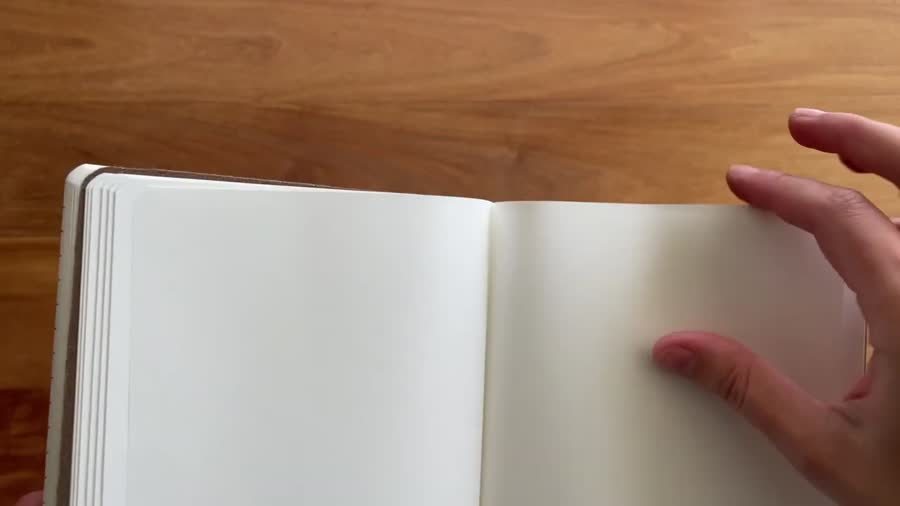
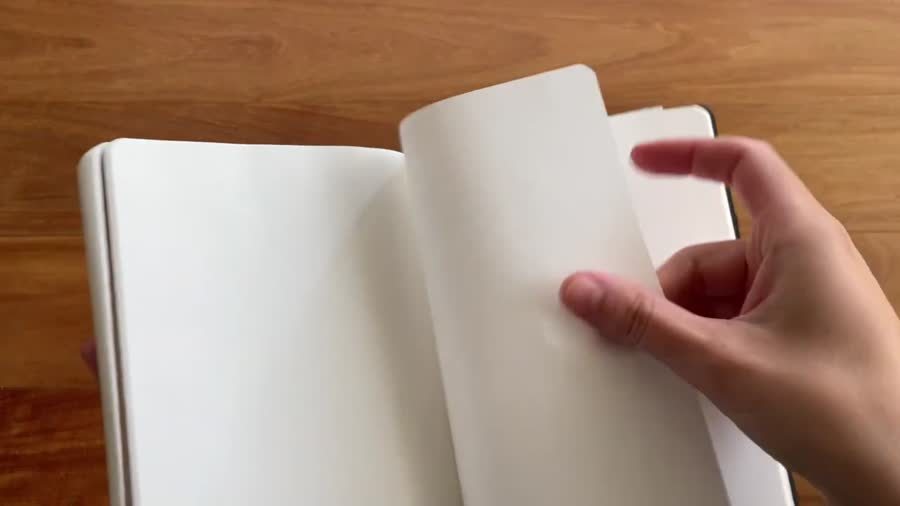
One of the best parts of Tomoe River paper is the feel. Thick paper can be excellent for markers or mixed media, but it often feels stiff. Tomoe River has give, movement, and a crinkly sound when the pages turn. For journaling, that tactile quality becomes part of the experience.
It is not perfect for everyone. If you dislike ghosting, ultra-thin paper may bother you. If you want a page that feels substantial under heavy markers or watercolor, a 100gsm or 160gsm notebook will be more reassuring. But if you love thin paper that still works with real ink, Tomoe River sits in a special category.
Buying advice now
When shopping today, read listings carefully. Look for whether the product says 52gsm, 68gsm, old-stock Tomoe River, Sanzen Tomoe River, or simply fountain-pen-friendly paper. The wording matters because the stationery market changed after the original discontinuation news, and not every listing uses the same terminology.
If you are buying for fountain pens, test a small notebook or loose-sheet pad before committing to a large stockpile. If you are buying for nostalgia or a specific version, then it makes sense to prioritize confirmed old-stock listings from brands you trust.
Pros and cons
- Pros: extremely thin paper, excellent fountain pen behavior, beautiful sheen and shading, compact notebooks with many pages, and a distinctive crinkly writing experience.
- Cons: normal ghosting, slower drying with some inks, changing availability, confusing product versions, and rising prices when old stock becomes scarce.
FAQ
Was Tomoe River paper discontinued?
The 2021 update discussed Tomoegawa discontinuing production of 52gsm and 68gsm Tomoe River paper. Since then, availability and successor paper versions have changed, so always check current product details before buying.
Why do fountain pen users like Tomoe River paper?
It is very thin but resists feathering and bleed-through surprisingly well, while showing ink sheen, shading, and color variation beautifully.
Should I stock up on Tomoe River paper?
If you love a specific notebook, GSM, or older paper version, it can be worth buying while confirmed stock is available. Just avoid panic-buying listings that do not clearly identify the paper.
What should I check before buying?
Check the GSM, paper generation, notebook maker, ruling, page count, and whether the listing is for old-stock Tomoe River, newer Sanzen Tomoe River, or a different fountain-pen-friendly paper.
Final Thoughts
Tomoe River paper became beloved because it made thin paper feel practical, luxurious, and surprisingly capable. The discontinuation news mattered because it threatened a paper experience that many writers could not easily replace. Even if newer options exist, the lesson is still the same: when a particular paper matters to your writing routine, pay attention to exact stock, GSM, and maker details.
If you already know you love Tomoe River, it is worth comparing current notebooks and loose sheets while they are available. If you are new to it, start small, test your favorite pens, and see whether the thin crinkly feel is magic for you too.
Worth checking out
Shop Tomoe River paper notebooks
Tomoe River stock changes constantly, so a broad Amazon search is the safest way to compare current notebooks, pads, and loose sheets using Tomoe River-style paper.