

Plan your week with a layout that actually helps
Moleskine Daily Planner Soft Cover
A compact day-per-page planner for people who want one page per day, a flexible soft cover, classic Moleskine styling, and a simple daily diary layout.
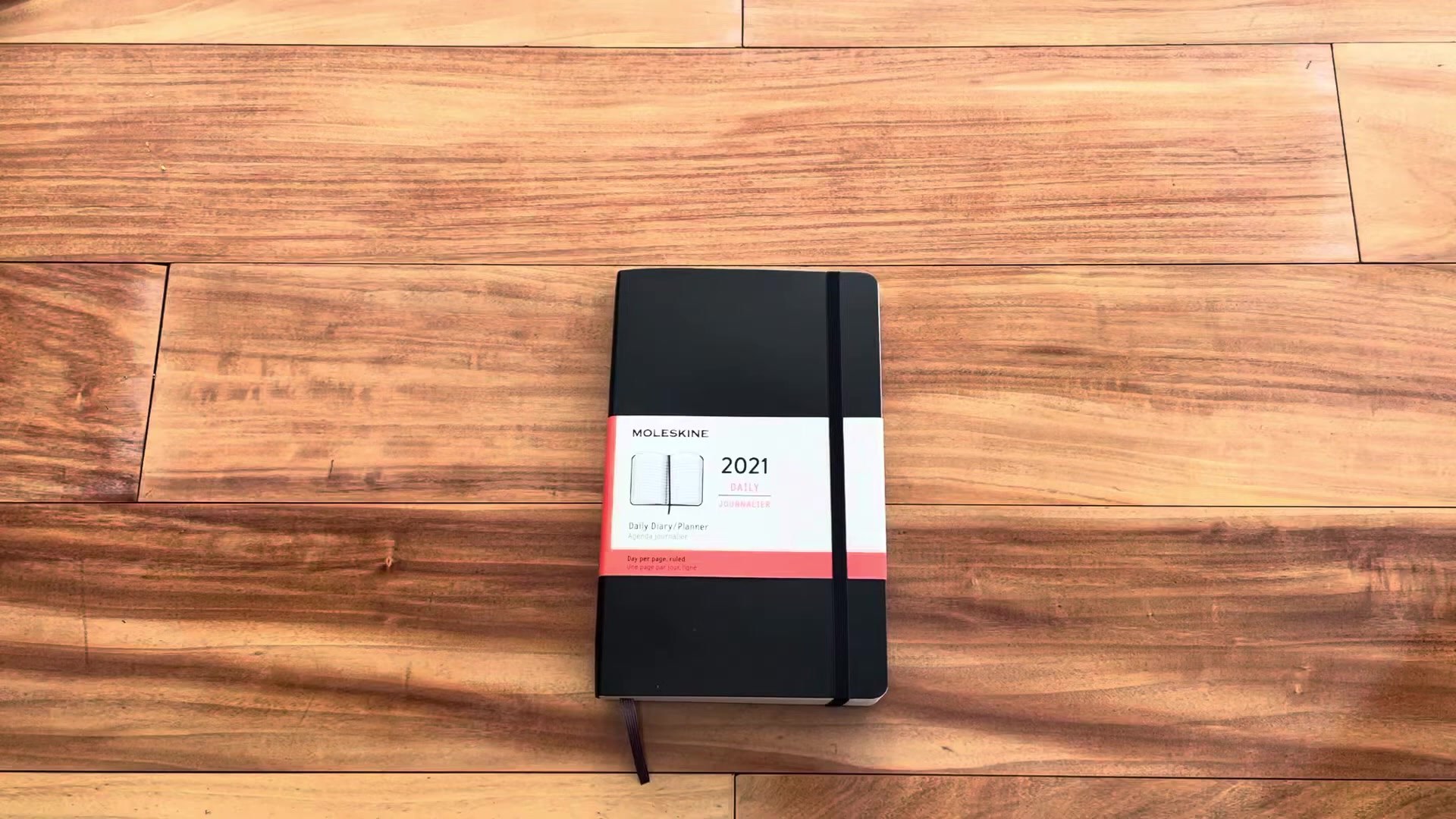
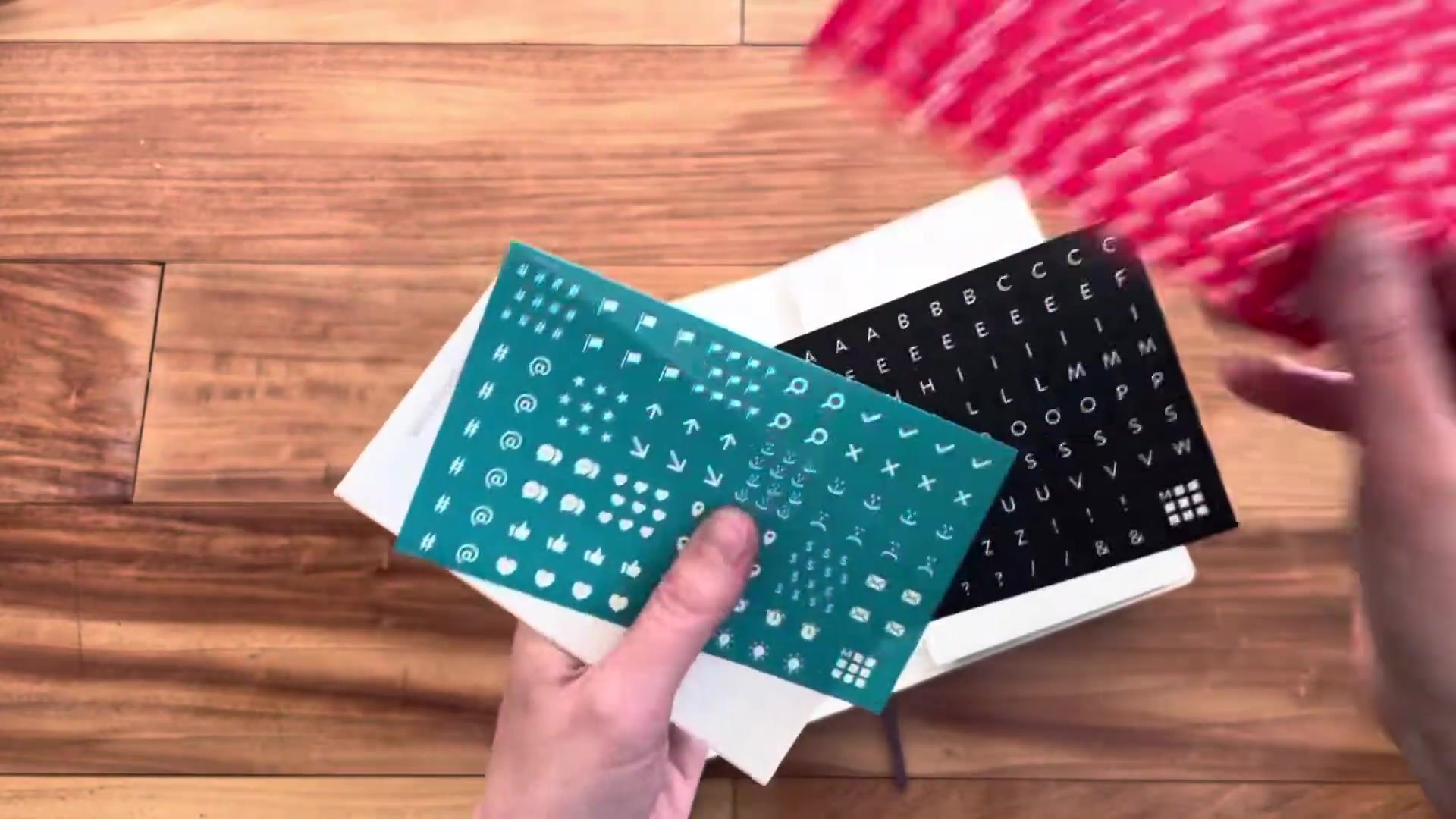
This Moleskine Daily Planner Soft Cover review looks at the soft-cover version of Moleskine’s day-per-page diary planner. The original video was filmed around the 2021 edition, but the layout is familiar across this planner line: a compact black soft cover, elastic closure, back pocket, stickers, monthly planning pages, reference pages, notes pages, and a full daily diary section.
The reviewer had used the hardcover Moleskine daily planner before and picked up the softcover version to see whether the flexibility made it easier to carry and use. That is the useful angle here. This is not a maximal productivity planner with goal maps and habit trackers. It is a classic daily diary: one dated page per day, enough structure to write appointments and tasks, and not much extra friction.
Quick verdict
The Moleskine Daily Planner Soft Cover is best if you want a clean day-per-page planner that feels more portable and bendable than the hardcover version. The soft cover makes it easier to flip back on itself, hold on your lap, or tuck into a bag, while the daily pages give you much more writing space than a weekly planner. The tradeoff is that the paper is only around 70 gsm and the planner includes some reference pages that feel less useful than extra planning or notes space.
| Planner type | Day-per-page daily diary/planner |
|---|---|
| Cover style | Soft cover with elastic closure |
| Best for | Daily task lists, appointments, diary notes, work planning, and people who want one page per day. |
| Paper | Ivory Moleskine paper, around 70 gsm in the edition shown. |
| Extras | Back pocket, stickers, notes pages, monthly calendars, reference pages, and classic Moleskine details. |
| Main caution | Not ideal if you want thick fountain-pen paper or extensive goal-planning pages. |
Soft cover vs hardcover feel
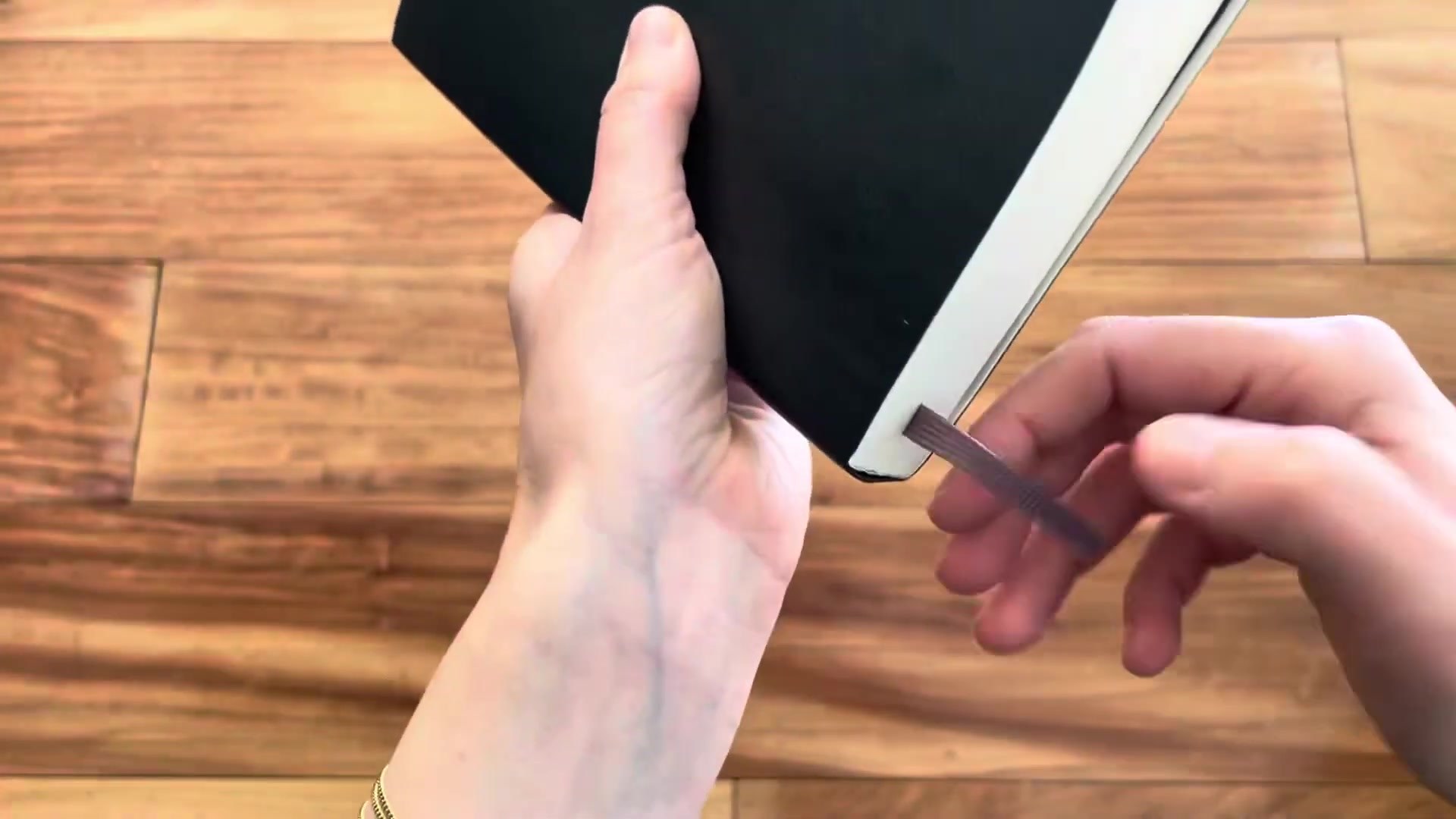
The main reason to choose this version is the cover. The hardcover daily planner feels sturdier and more protective, but the soft cover is easier to bend, hold, and fold back while writing. In the video, the reviewer points out that you can flip the soft cover back on itself in a way that is not possible with the hard cover. That matters if you often write away from a desk.
The elastic closure still gives it the classic Moleskine notebook feel, and the planner keeps the back pocket and included stickers. It does not feel like a completely different product; it feels like the same daily planner made a little more forgiving and portable.
Layout and daily pages
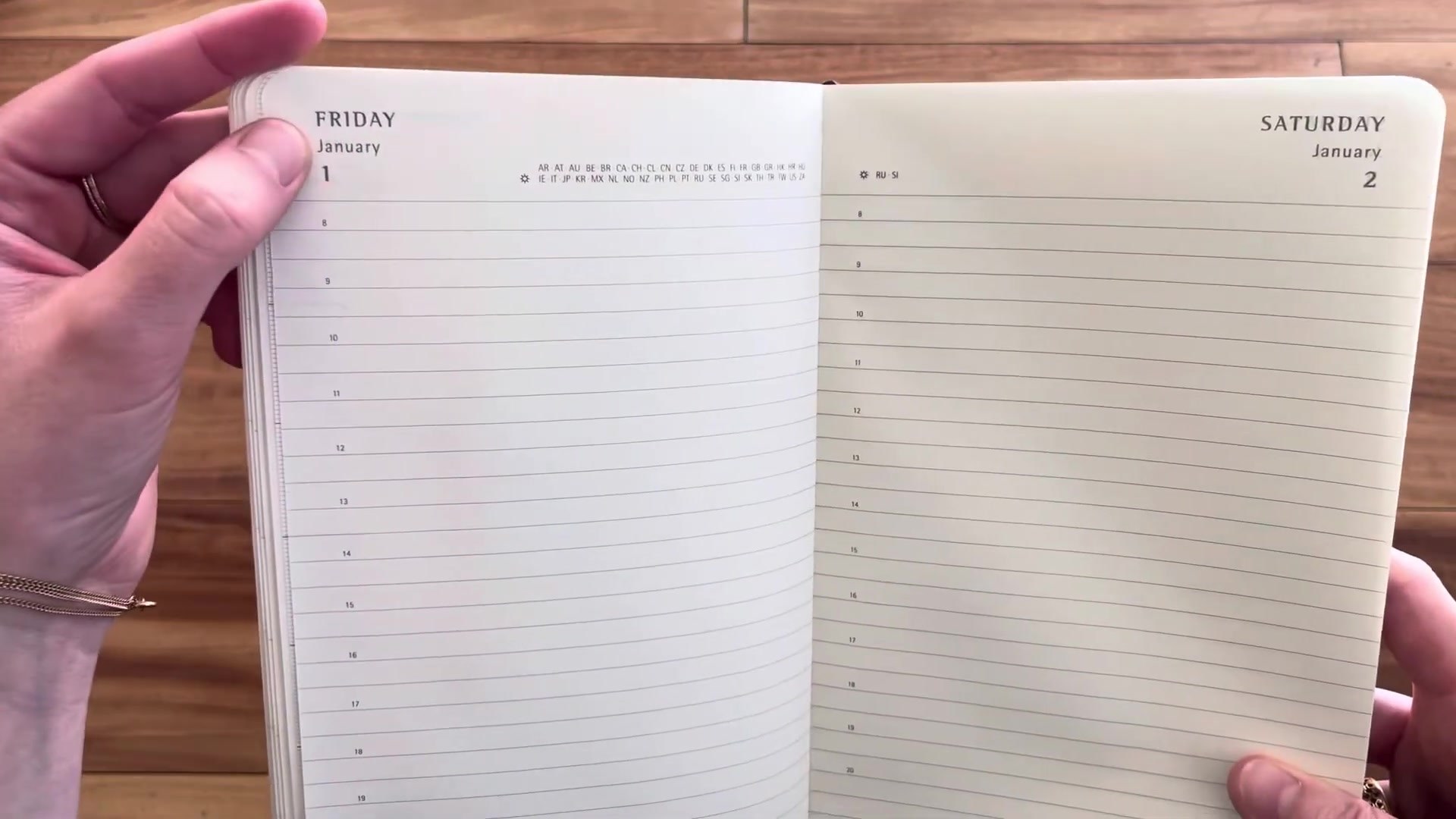
The daily section is the reason to buy it. Each day gets its own page, with timed lines running through the working day and space to write tasks, notes, appointments, reminders, or quick diary entries. If weekly planners always feel too cramped, a day-per-page layout gives you room to breathe.
That said, this structure works best for people who actually write daily. If your planning style is mostly big-picture weekly overview, this can feel like too many pages. But for work logs, study notes, daily task lists, health tracking, or a hybrid diary/planner habit, the extra page space is helpful.
Monthly calendars and extra pages
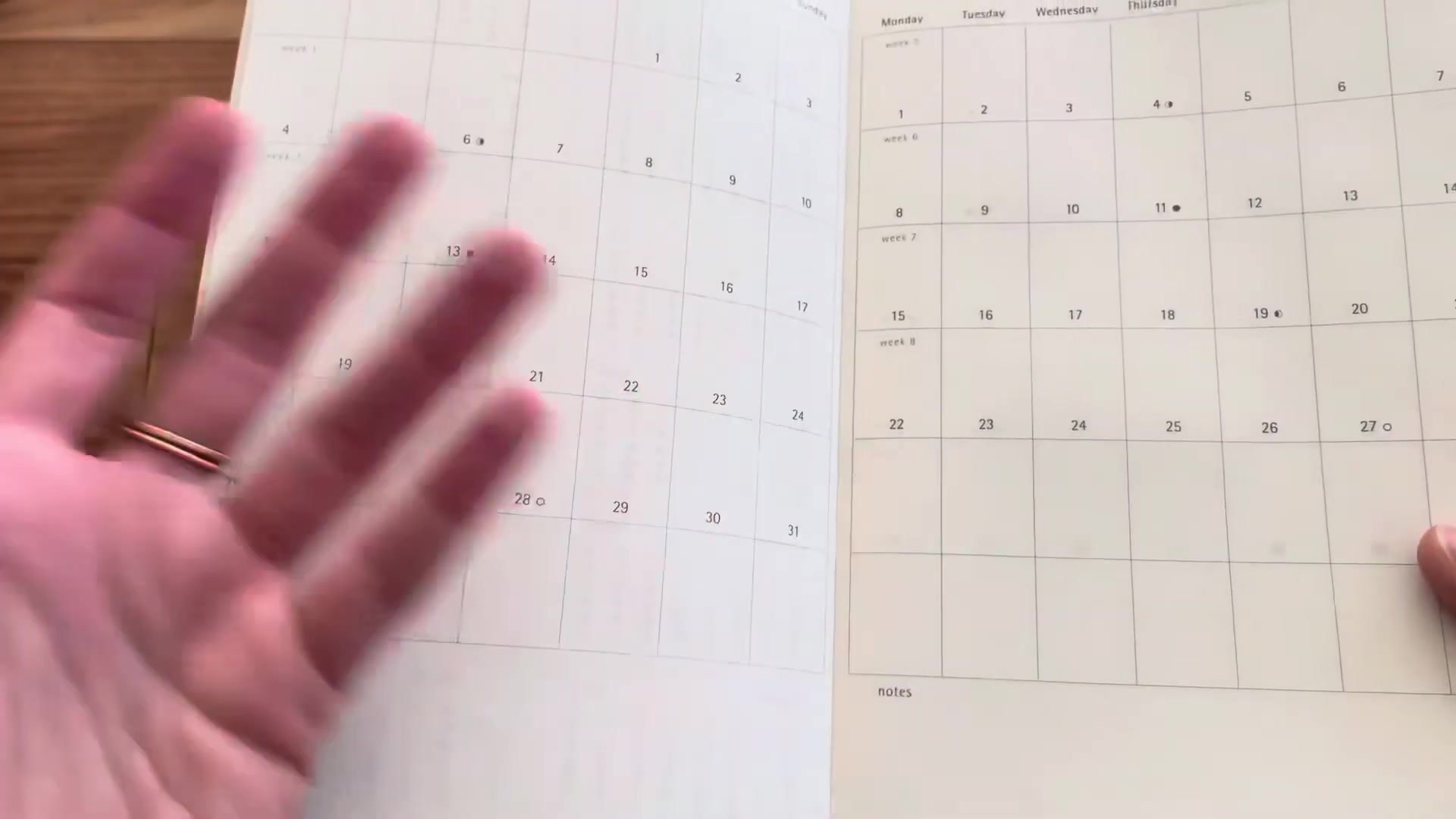
The planner includes monthly calendar pages, and those are genuinely useful for seeing the month at a glance. The small boxes are not huge, but they are enough for key dates, deadlines, travel, and broad planning. There are also notes pages near the back, plus a pocket and stickers.
The reviewer is less enthusiastic about some of the reference pages. This is a fair criticism. In a dedicated planner, pages for goal planning, project planning, or blank notes would often be more useful than generic information you can look up online. Moleskine keeps the traditional reference-page feel, which some people like, but it is not the most modern use of space.
Paper and pen expectations
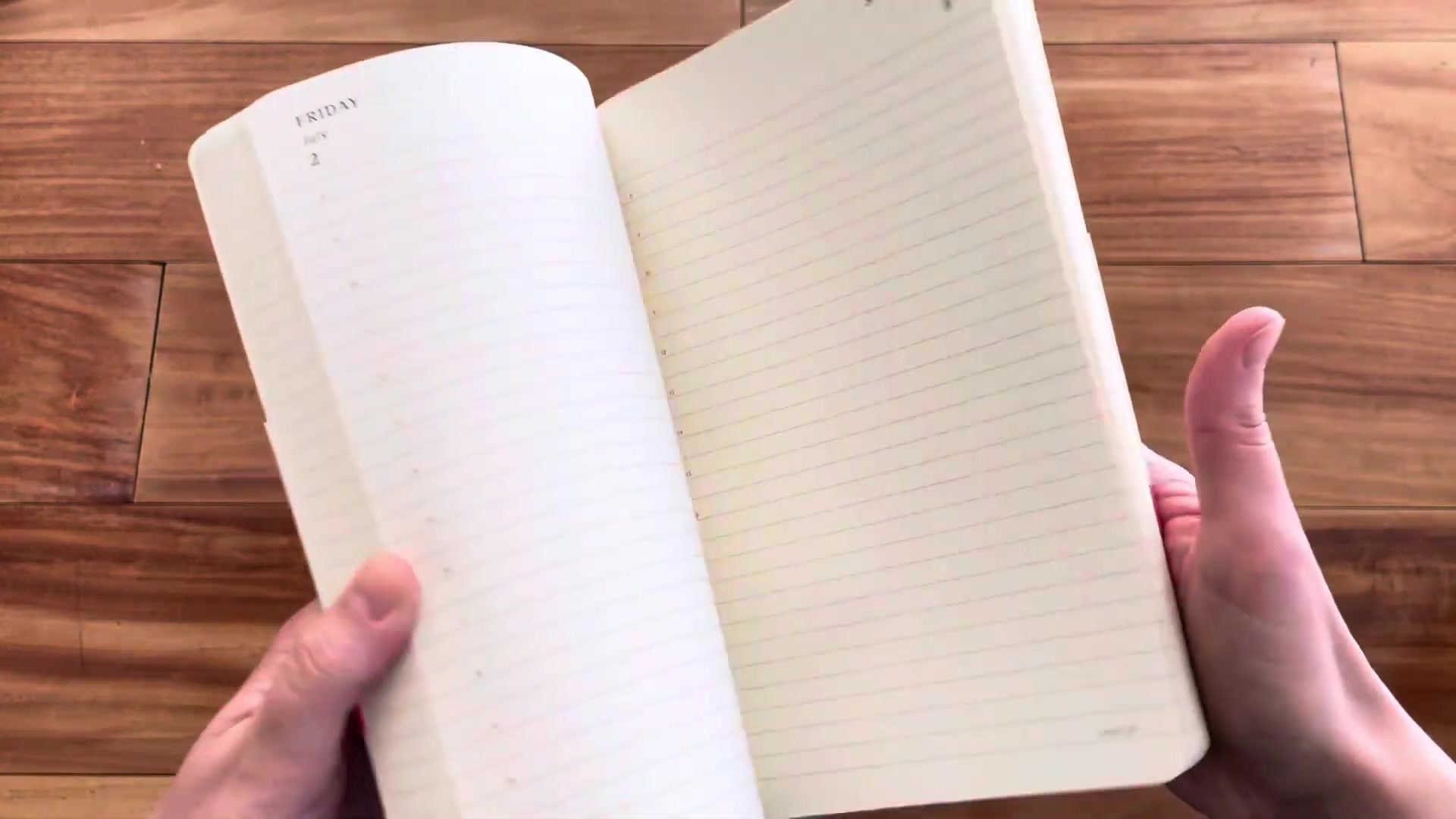
The paper is classic Moleskine: ivory, smooth enough for normal writing, and thin enough to keep the planner from becoming too bulky. In the edition shown, it is around 70 gsm. That is fine for pencil, ballpoint, and many gel pens, but it is not the planner I would choose for wet fountain pens, markers, or heavy ink.
The thin paper is part of the compromise. A daily planner already has a lot of pages, so very thick paper would make the book bulky fast. If you want a slim daily diary, the lighter paper makes sense. If you want premium fountain-pen performance, choose a planner with heavier paper and accept the extra thickness.
Who it is best for
This planner is a strong match for people who want a daily page without a lot of decorative planning structure. It suits work notes, school days, appointment-heavy schedules, task lists, and people who like to keep a short diary alongside their calendar. The soft cover also makes sense if you carry your planner often and dislike the stiffness of a hardcover.
It is less ideal if you want built-in goal planning, habit trackers, thick paper, or a very guided system. Moleskine gives you the dated daily framework, but it does not tell you how to use it. That simplicity is either the appeal or the limitation, depending on your planning style.
Pros and cons
| Pros | Cons |
|---|---|
|
|
FAQ
Is the Moleskine Daily Planner good for daily tasks?
Yes. The day-per-page format gives plenty of space for appointments, task lists, diary notes, work logs, and reminders.
Is the soft cover better than the hardcover?
The soft cover is better if you want flexibility and portability. The hardcover is better if you want more protection and a sturdier desk planner feel.
Can you use fountain pens in this planner?
You can use some fine or dry fountain pens carefully, but the 70 gsm Moleskine paper is not ideal for wet ink. Ballpoint, pencil, and many gel pens are safer choices.
Does it work as a bullet journal?
It can handle daily lists and notes, but it is a dated planner rather than a blank bullet journal. If you want full layout freedom, a dot-grid notebook may be better.
Final Thoughts
The Moleskine Daily Planner Soft Cover is a simple, useful planner for people who want one page per day without a lot of extra structure. The soft cover is the main practical advantage: it makes the planner easier to bend, carry, and use casually than the hardcover version.
I would choose it for daily planning, work notes, or a diary-style planner habit. I would not choose it for fountain pen testing, heavy goal planning, or a highly guided productivity system. If your main need is a clean daily page in a classic Moleskine format, though, the soft-cover daily planner still makes a lot of sense.
Plan your week with a layout that actually helps
Moleskine Daily Planner Soft Cover
A flexible day-per-page planner is a good fit if you want more writing room than a weekly layout without carrying a bulky hardcover diary.