

Plan your week with a layout that actually helps
Browse popular planners
If you are still deciding between daily, weekly, compact, and goal-style planners, comparing a few current options side by side is the fastest way to narrow it down.
Choosing a planner sounds simple until you are actually looking at the options. Pocket planners, A5 planners, big desk planners, weekly layouts, daily layouts, dated planners, undated planners, goal planners — they all look useful in different ways. The best planner is not automatically the most popular one or the prettiest one. It is the planner you will actually open, carry, write in, and keep using after the first week.
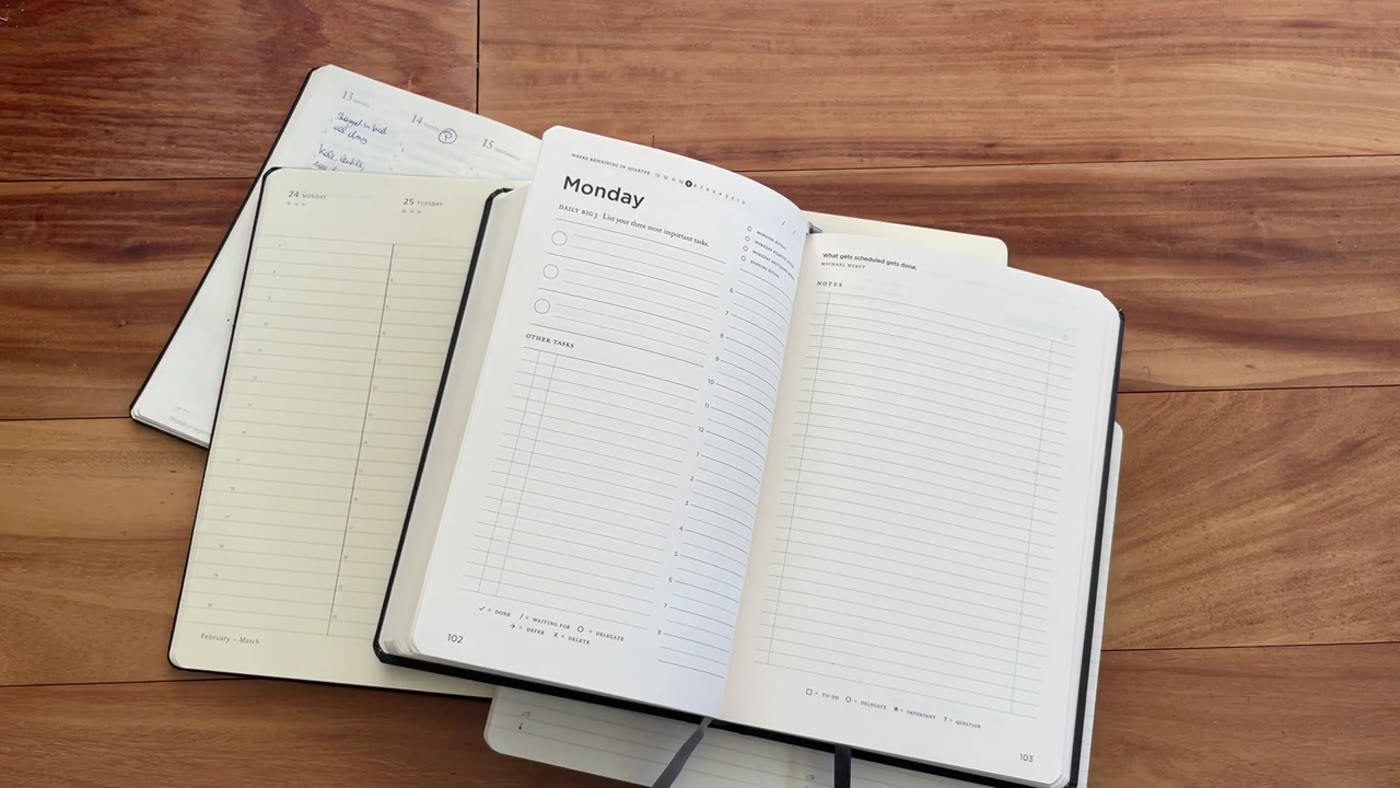
This guide is based on the video review where several planner styles are compared from a practical, real-life point of view. The main idea is refreshingly simple: choose around your actual habits. If you mostly need appointments, you do not need the same layout as someone who writes long daily task lists. If you carry your planner everywhere, size matters more than it does for someone who keeps a book on a desk. The right planner should make your life easier, not give you another system to maintain.
Quick verdict
For most people, the safest starting point is a weekly planner in a portable size. It gives enough structure to see the week clearly, but it does not demand as much daily maintenance as a full page-per-day planner. If you have a lot of appointments, a vertical weekly planner can work well. If you think in task lists, a horizontal weekly layout or a daily planner will probably feel more natural.
| Best overall starting point | A portable weekly planner with enough writing room for your normal tasks. |
|---|---|
| Choose daily if | You write long task lists, journal inside your planner, or need lots of space each day. |
| Choose weekly if | You want to see the whole week at once and keep planning simple. |
| Choose vertical if | Your schedule is appointment-heavy or you like blocking out time by hour. |
| Choose horizontal if | You prefer lists, notes, reminders, and flexible planning space. |
Start with size and portability
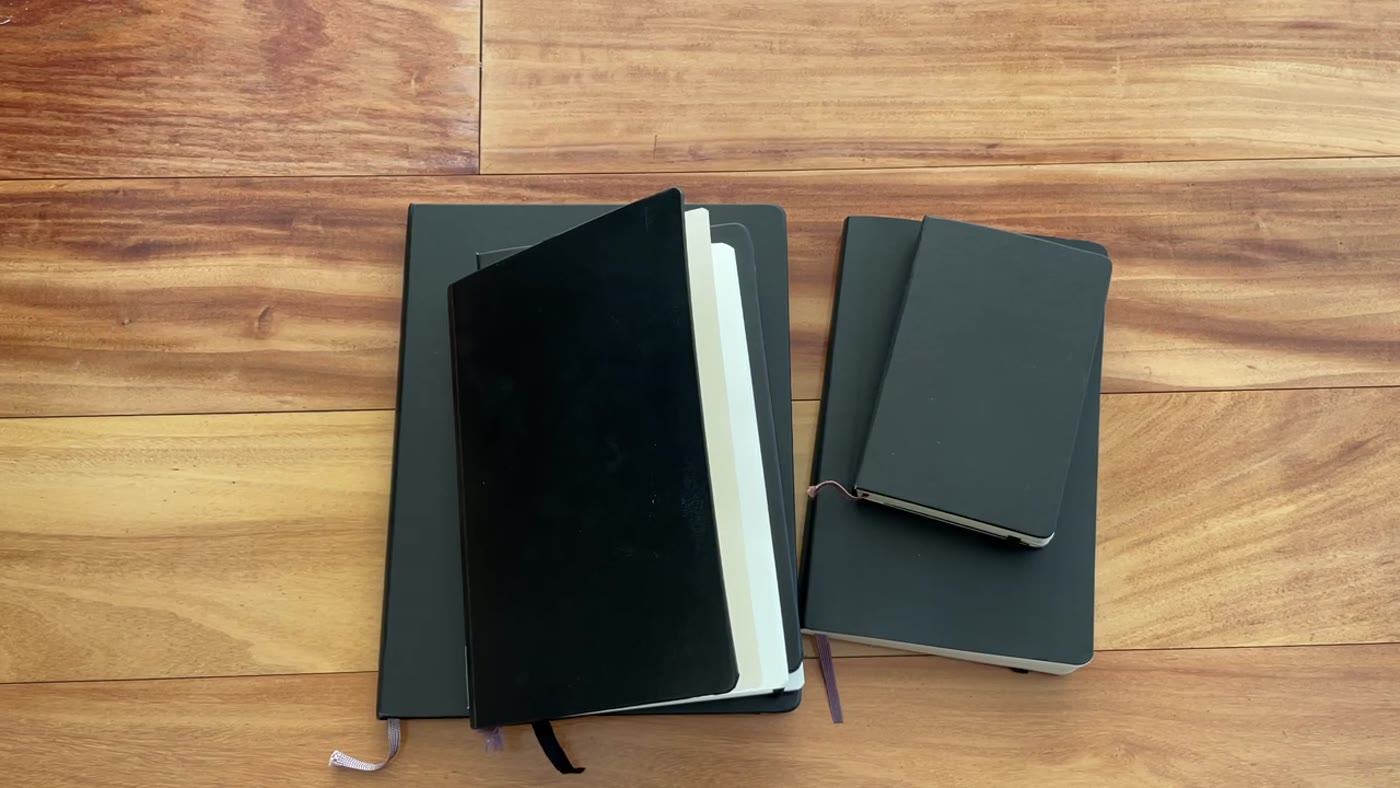
Size is the first decision because it affects whether you will actually use the planner. A large planner can look beautiful and give you lots of room, but if it feels bulky, heavy, or awkward to take with you, it may end up staying at home. A smaller planner can be less spacious, but it is much easier to keep in a bag and pull out during the day.
If you are often on the go, a pocket, personal, or A5-style planner is usually more realistic. If you mostly plan at a desk, a larger format can be comfortable because you get more room for appointments, notes, and planning spreads. The important thing is to be honest about your routine. A planner that matches your lifestyle will beat a more impressive planner that you never reach for.
Daily, weekly, or monthly?
The next big choice is how much space you need per day. Monthly planners are useful for high-level dates, birthdays, appointments, and deadlines, but they usually do not give enough room to organize a normal day. They work best as a calendar overview rather than a full planning system.
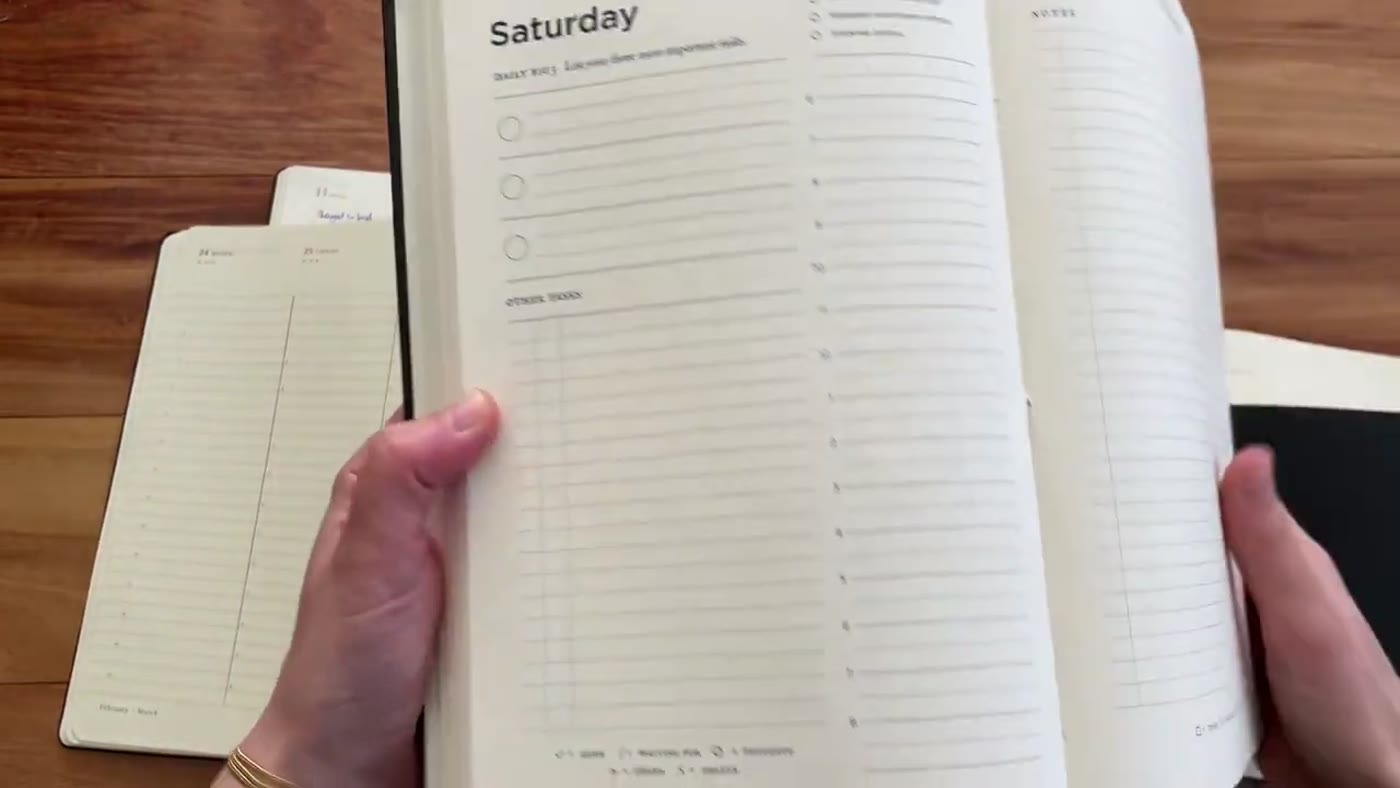
Weekly planners are the middle ground. They let you see the full week, plan around busy days, and keep tasks in context. Daily planners give the most writing space, which is excellent if you make long to-do lists, time-block heavily, or want room for notes and reflections. The tradeoff is that daily planners are bulkier and can feel more demanding if you skip a few days.
Pick the layout that matches your brain
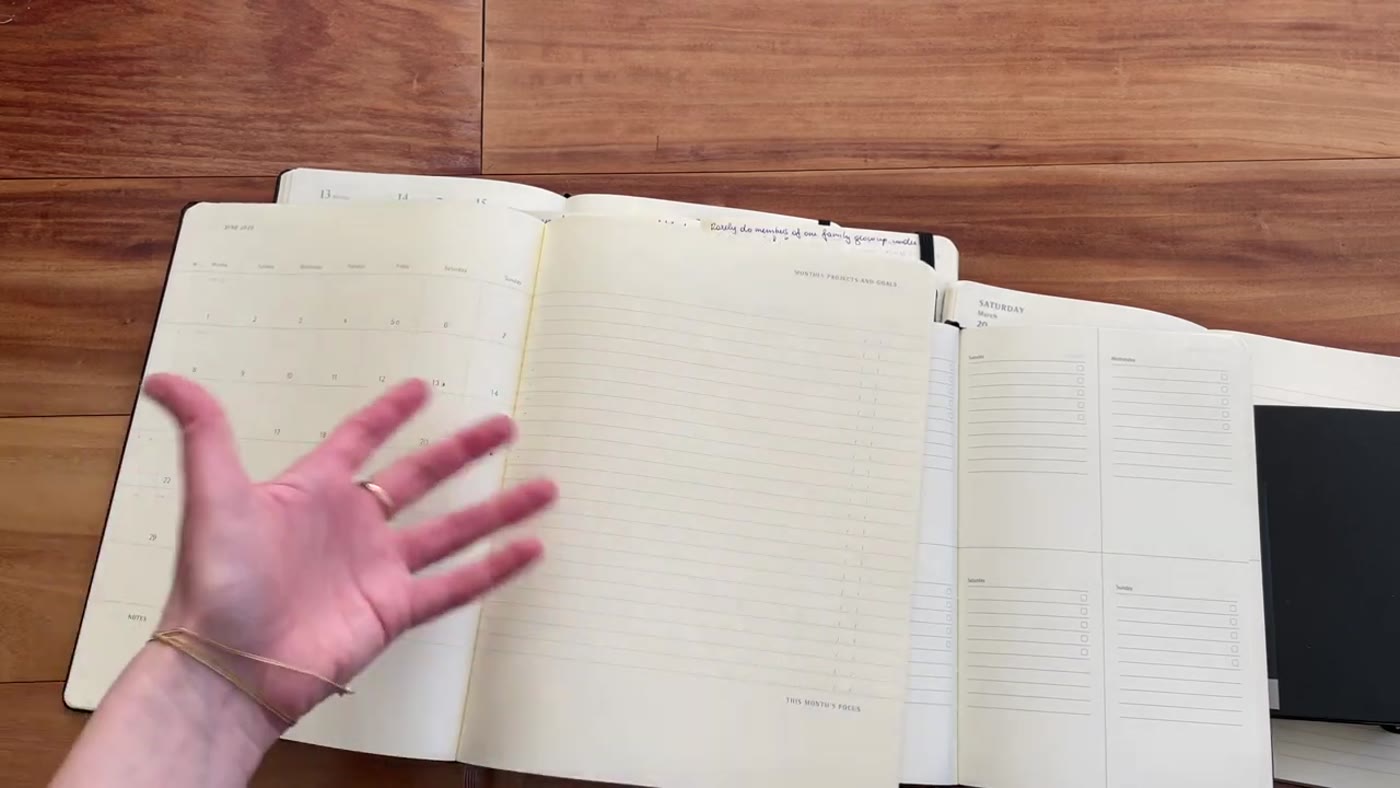
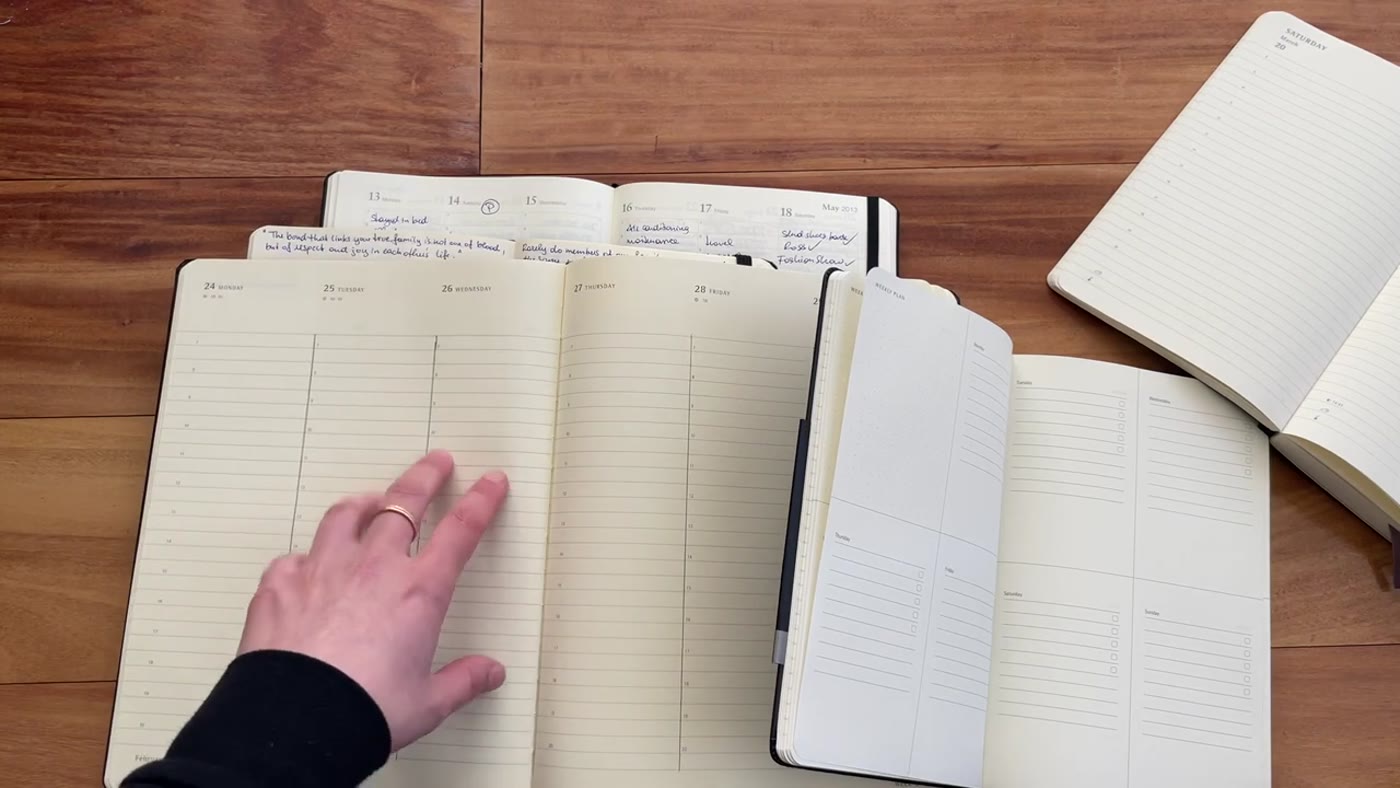
Layout matters as much as size. A vertical weekly planner is great if you think in blocks of time. It makes it easier to see meetings, appointments, routines, and scheduled work. If your week is full of fixed commitments, a vertical layout can make the day feel clearer.
A horizontal layout usually feels better for lists. If you like writing tasks, reminders, notes, errands, meal ideas, or small bits of journaling, horizontal space is easier to use. It is less rigid and more forgiving. That makes it a good choice for people who want structure, but not a strict hour-by-hour schedule.
Dated vs undated planners
Dated planners are convenient because the structure is already there. You can open the book and start using it without setting up every week manually. They are great if you plan consistently and want the planner to feel ready for the year.
Undated planners are better if your planning is irregular. You can skip a week without wasting pages, start whenever you want, and use the planner in seasons instead of forcing yourself into a January-to-December rhythm. They are especially useful for goal planners, project planners, or people who know they will not use a planner every single day.
Think about structure level
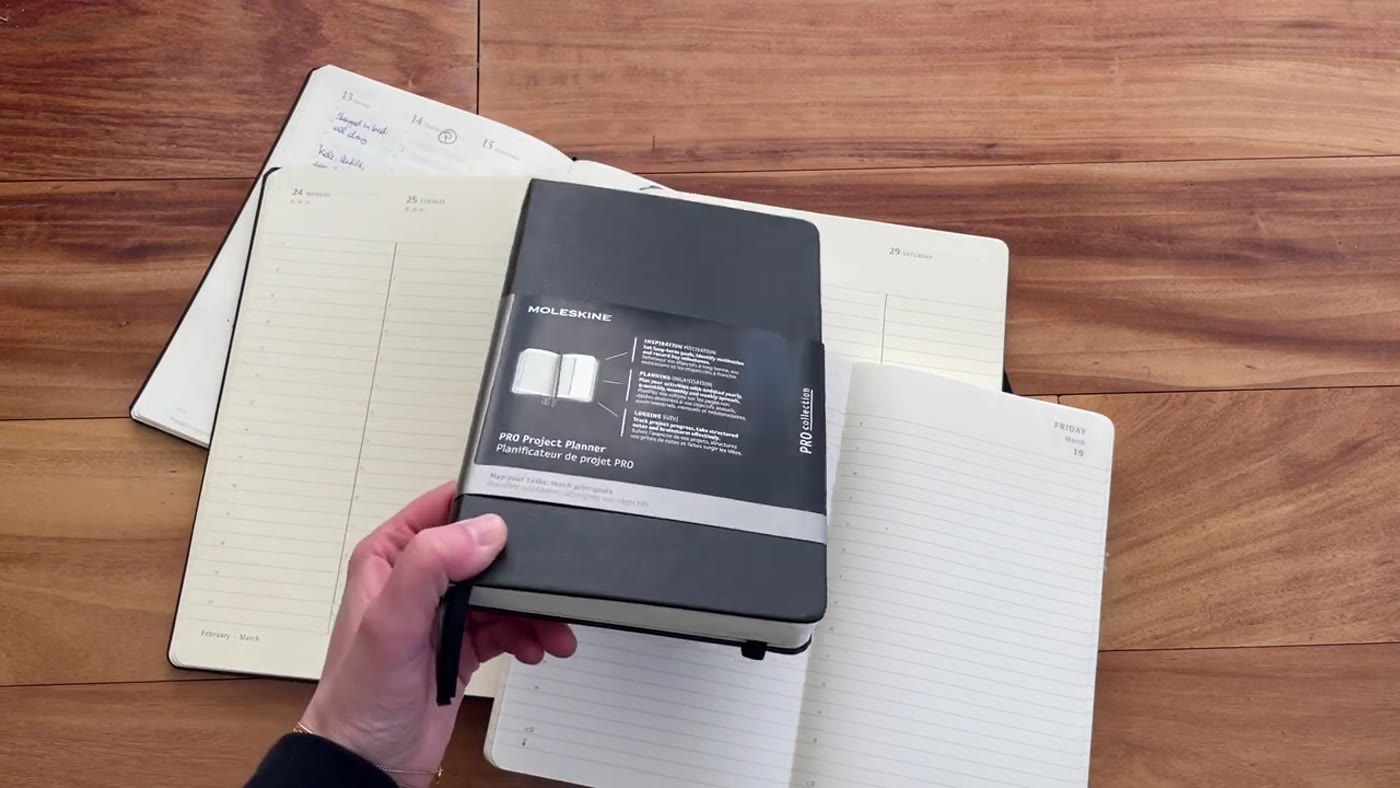
Some planners are very open: dates, lines, and blank spaces. Others are more guided, with goal sections, prompts, habit trackers, priorities, reflection pages, or project planning layouts. Neither style is automatically better. It depends on whether those extras help you plan or just create visual noise.
If you already know what you want to write down, a simple planner may be best. If you are trying to build routines, focus on goals, or organize projects, a more structured planner can be useful. The warning is that overly detailed planners can become a chore. The structure should reduce decision fatigue, not make you feel behind.
| Simple planners | Highly structured planners |
|---|---|
|
|
Match the planner to your real planning style
A planner should support the way you already work. If you are a list person, choose something with room for lists. If you are calendar-driven, choose something with clear time slots. If you like reflection and goals, choose a planner with more guided pages. If you mostly need a small book for appointments and reminders, do not overbuy a huge system.
The best test is to imagine a normal busy week. Where would you write appointments? Where would tasks go? Would the planner stay open on your desk, or would it live in your bag? Would you feel comfortable using it quickly, or would it feel precious and complicated? Those answers usually point to the right format faster than any trend list.
FAQ
What is the best planner layout for beginners?
A weekly layout is usually the easiest place to start because it gives you a full view of the week without requiring a full page of planning every day.
Is a daily planner better than a weekly planner?
A daily planner is better if you need lots of writing room or make detailed task lists. A weekly planner is better if you want a simpler overview and do not want a bulky book.
Should I buy a dated or undated planner?
Choose dated if you plan consistently and want the calendar ready to go. Choose undated if you skip weeks, start mid-year, or want more flexibility.
What planner size is most practical?
A5 or similar medium sizes are often the most practical because they balance writing room with portability. Larger planners are better for desk use, while pocket planners are best for carrying everywhere.
Final Thoughts
The best planner is the one that makes planning feel natural. Start with size, because portability affects whether you will use it. Then choose the layout based on how you think: vertical for time-blocking, horizontal for lists, daily for lots of space, weekly for a clear overview, and undated if you want flexibility.
It is easy to get distracted by covers, colors, and complicated systems, but the practical questions matter more. Will you carry it? Will you open it? Is there enough space for the way you write? Does the structure help instead of getting in your way? If the answer is yes, that is probably the right planner for you.
Plan your week with a layout that actually helps
Compare current planner options
Look at a few daily, weekly, compact, and goal planner options before choosing. The right one should fit your routine, not just look good online.