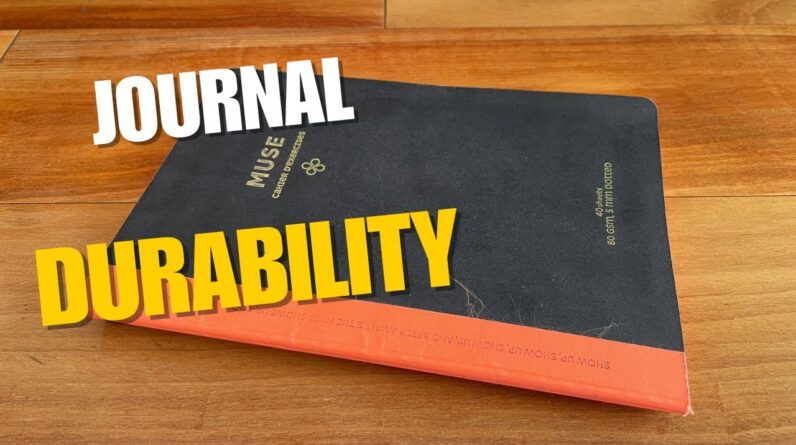


Choose a journal you’ll actually want to fill
The Artist’s Way
A classic creativity book that pairs naturally with journaling, morning pages, and rebuilding a regular writing habit.
This Journal Q&A answers a set of personal questions about favorite journals, favorite pens, journaling habits, and the notebooks that have stayed useful over time. It is less of a product review and more of a guided conversation about how journals actually fit into everyday life.
The video works because the answers are grounded in real use. Instead of pretending there is one perfect notebook, it shows that favorite journals can change depending on the season, the writing mood, the paper, the size, and the kind of project you are keeping.
Quick verdict
The biggest takeaway is that journaling is easier when the notebook feels low-pressure and inviting. A beautiful journal helps, but the real habit comes from choosing tools that match the way you actually write. The Q&A is useful if you are trying to decide between leather journals, black everyday notebooks, creative books like The Artist’s Way, and simple pens that make writing feel comfortable.
| Video type | Journal Q&A and personal stationery discussion |
|---|---|
| Main topics | Favorite journals, favorite notebooks, favorite pens, journaling routine, and creative books |
| Best for | Journalers choosing a notebook system or rebuilding a writing habit |
| Main takeaway | Use the notebook that makes you want to keep writing, not just the one that looks best online |
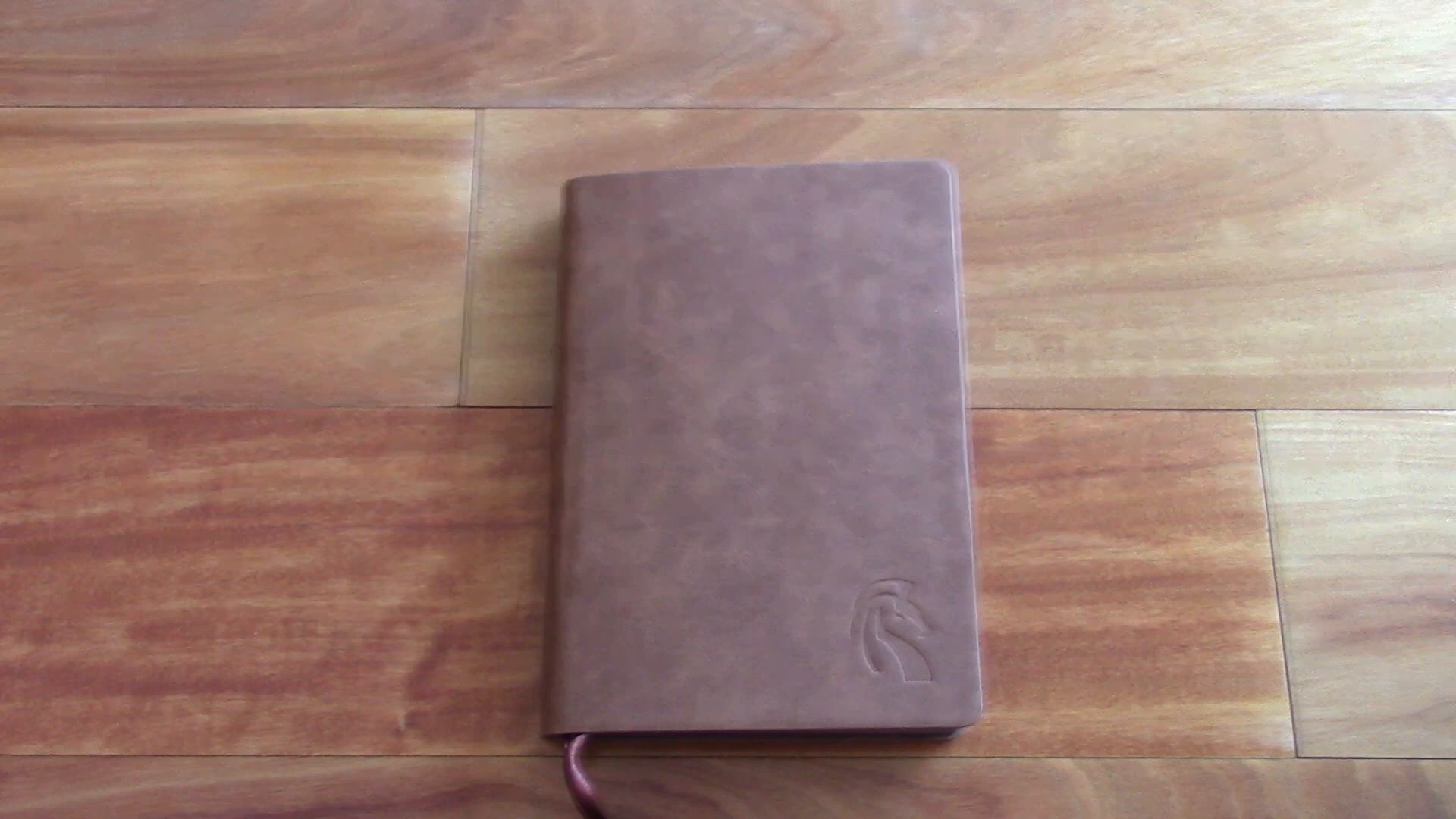
Favorite journals are personal
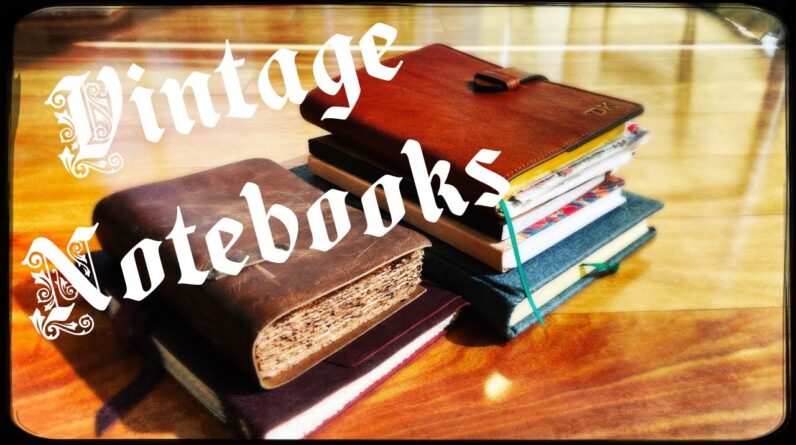
The first important point is that a favorite journal is rarely universal. A leather journal may feel perfect for reflective writing, while a black everyday notebook may be better for lists, plans, and daily notes. The right choice depends on the kind of writing you actually want to do.
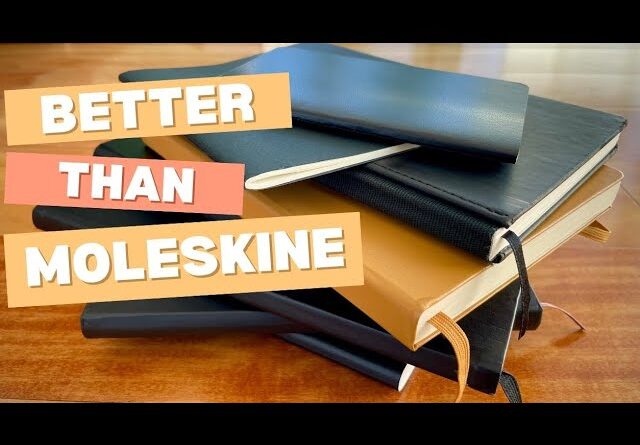
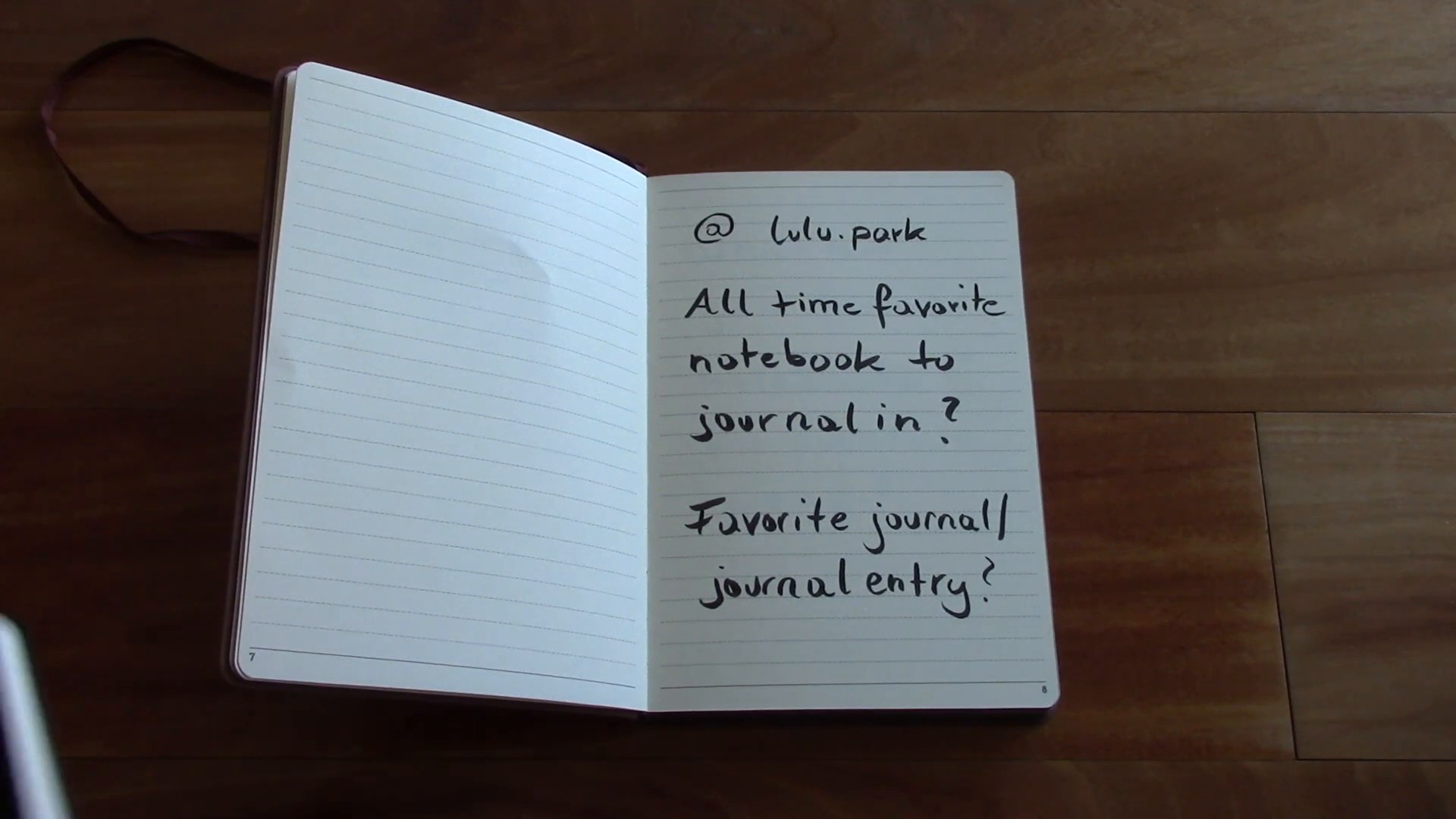
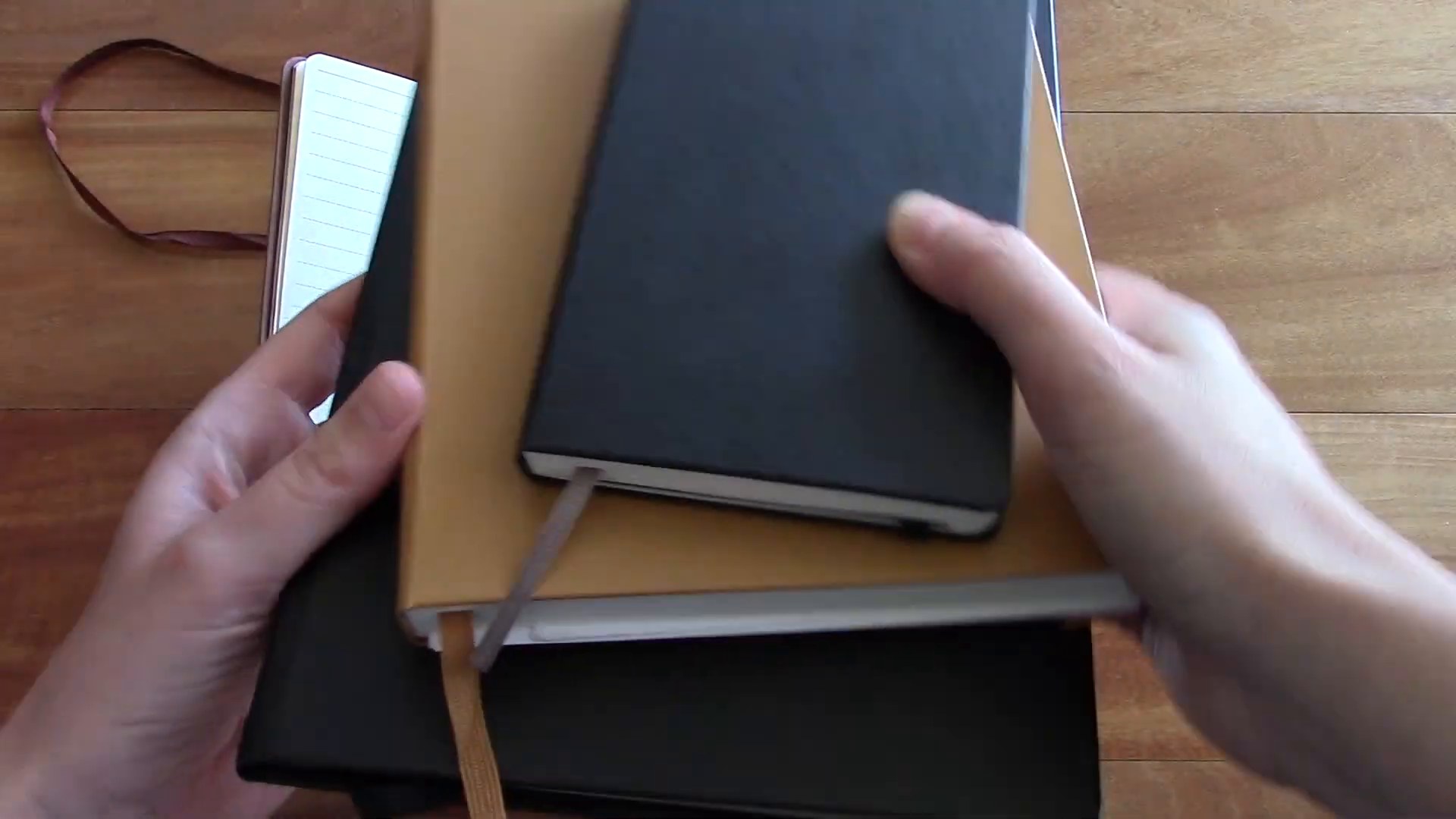
That is why the video shows several notebooks rather than one winner. It makes room for different categories: a favorite all-time notebook, a favorite journal for journaling, and a notebook that feels good in the hand. Those distinctions matter more than brand loyalty.
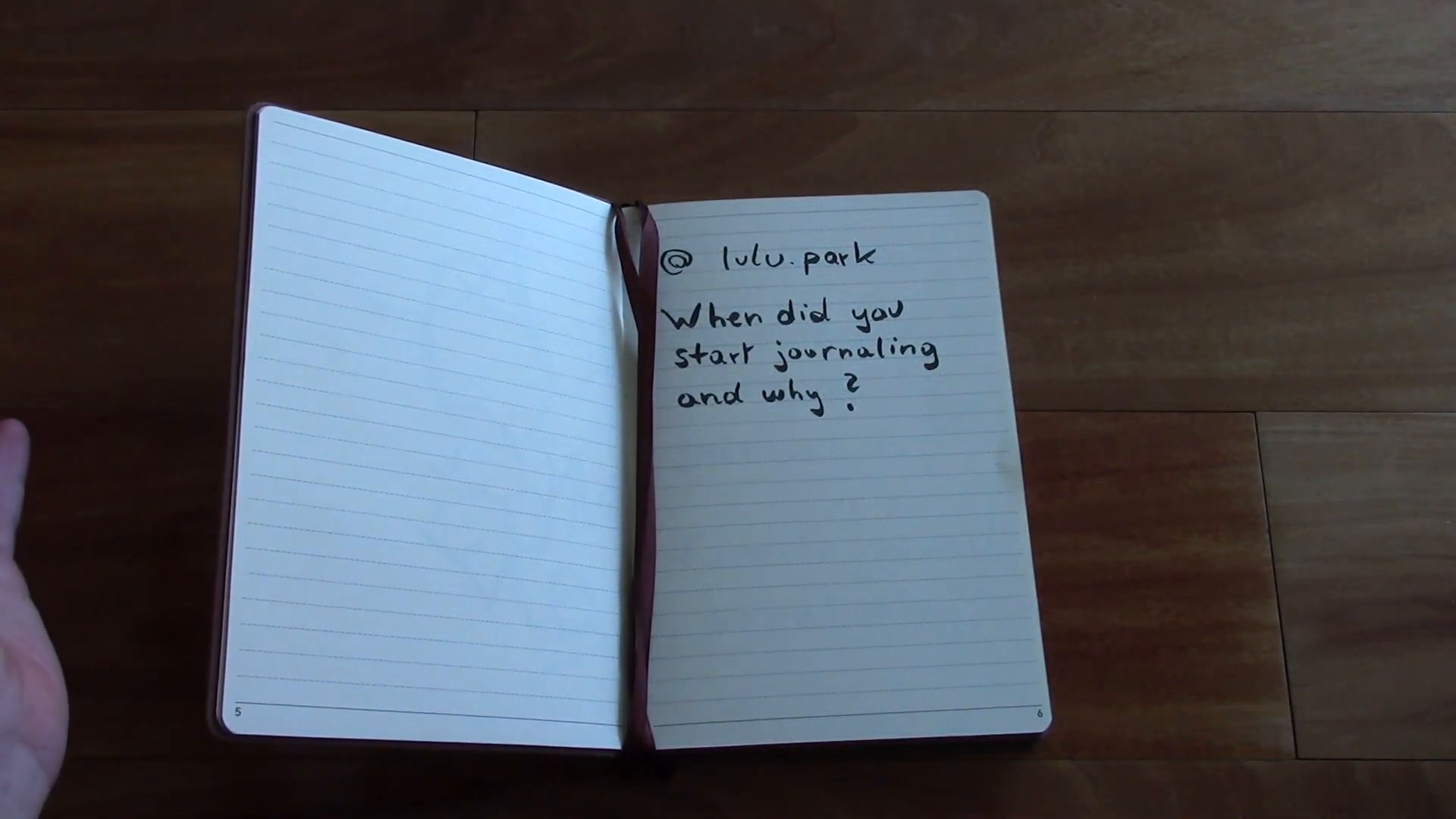
All-time favorite notebook vs journal
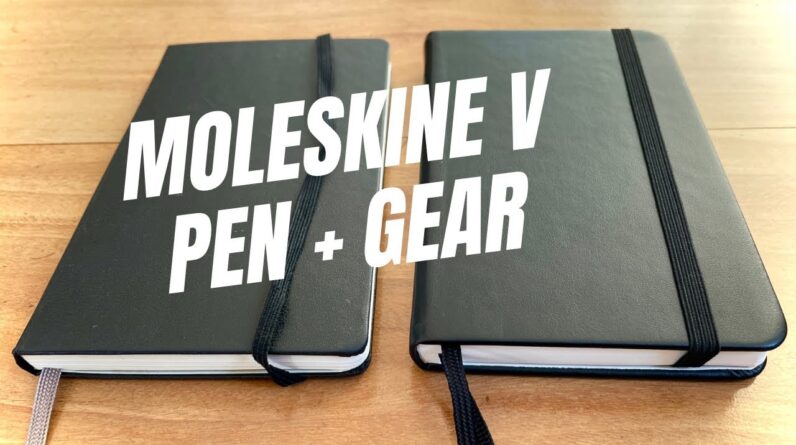
An all-time favorite notebook can be practical without being the most emotional journal. In the video, the black notebook has that everyday appeal: simple, familiar, easy to carry, and useful for many situations. That is different from a journal that feels meaningful or beautiful.
For planning a journaling system, it helps to separate these roles. One notebook might be for private reflection, another for lists and ideas, and another for creative practice. Trying to force every use into one perfect book can make the habit more complicated than it needs to be.
Books that support journaling
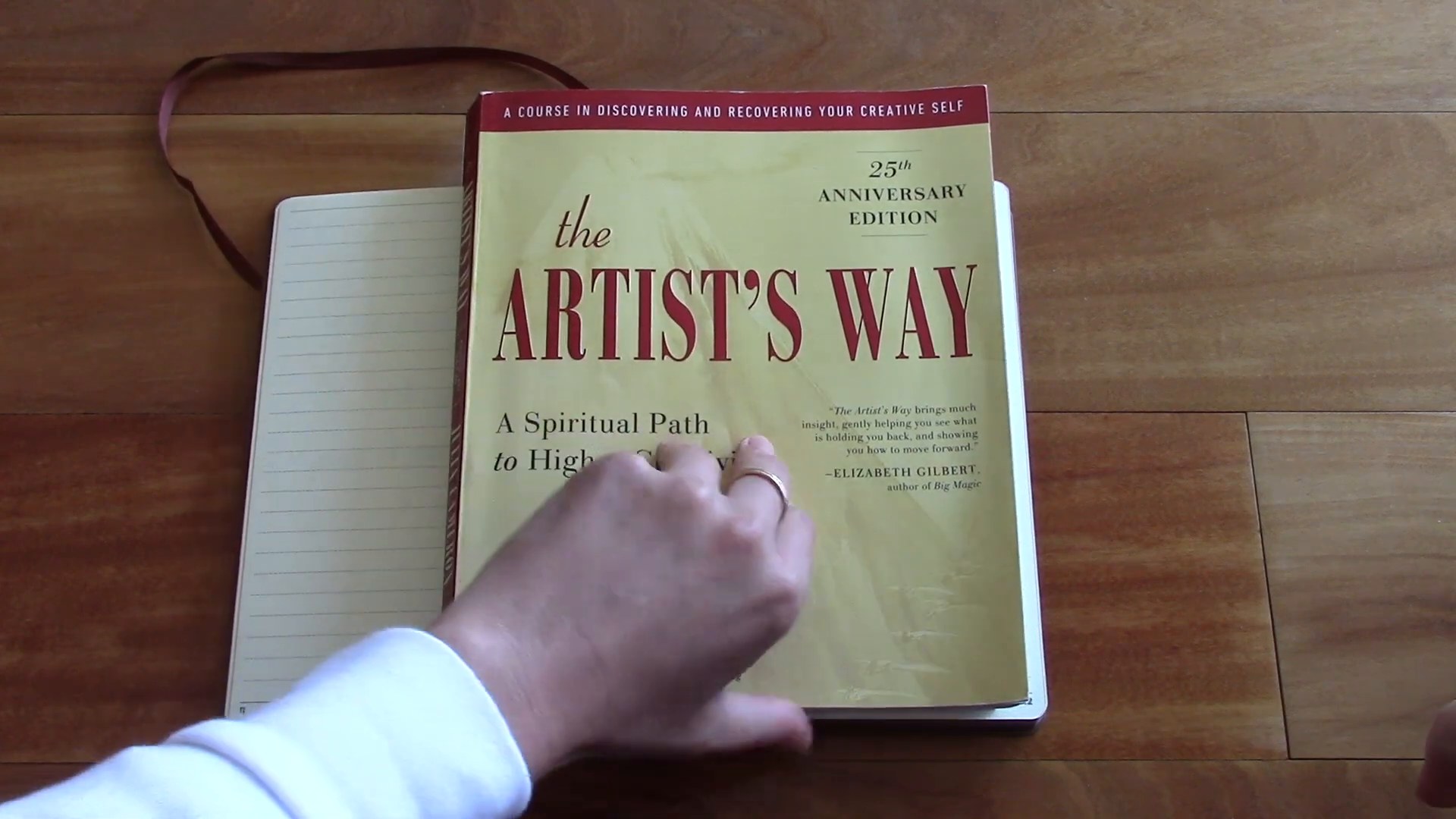
The Artist’s Way is a natural fit for this conversation because it connects journaling with creativity. Morning pages, creative recovery, and regular writing all support the same idea: writing does not have to be polished to be useful. It can be a practice that clears the mind and helps you notice what you are thinking.
If you are trying to build a journaling habit, a book like this can be more useful than buying another notebook. Prompts, structure, and a reason to show up can help the notebook become part of your life instead of another blank object on the shelf.
Favorite pens and writing feel
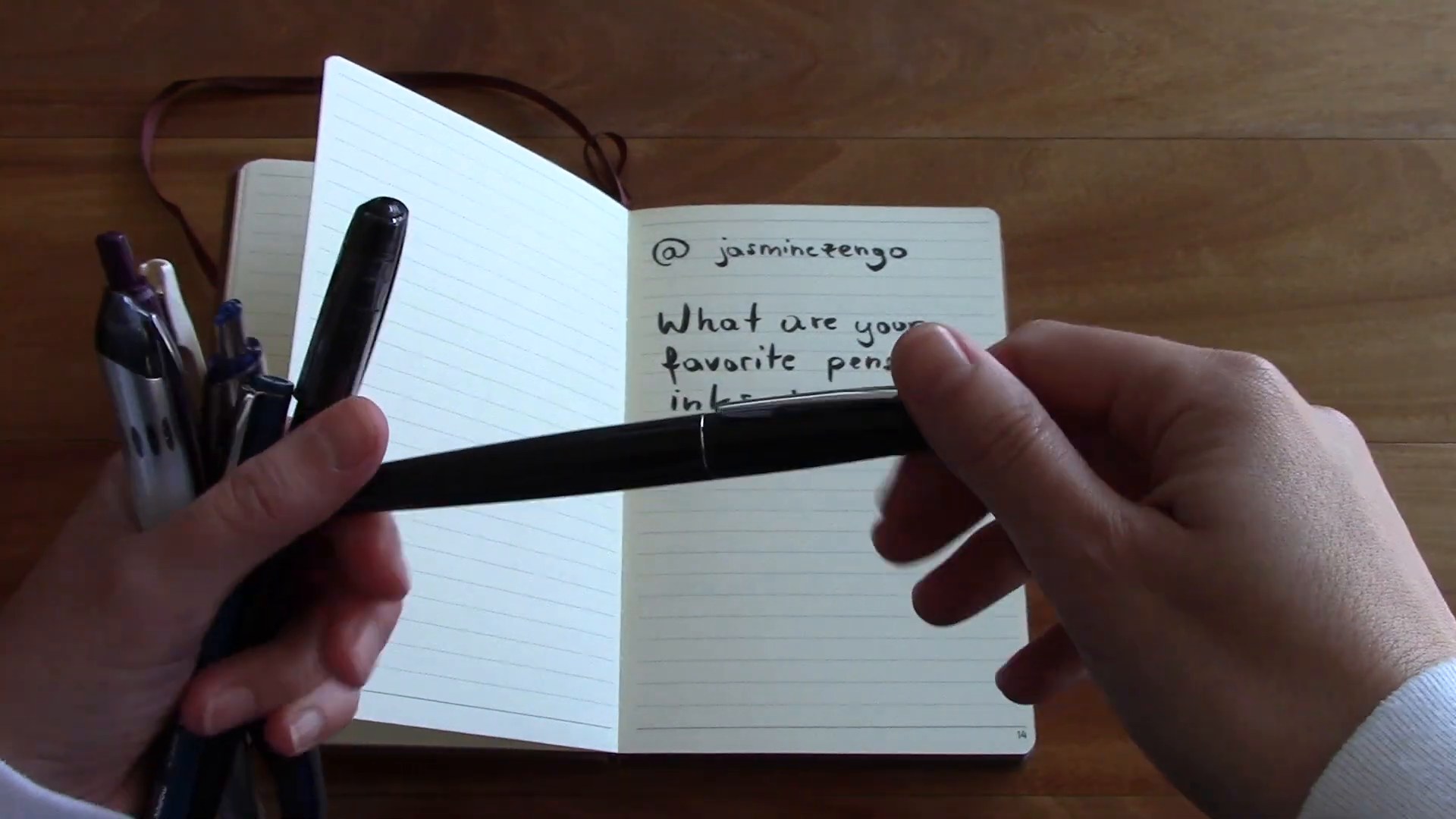
Favorite pens matter because they change how often you reach for the notebook. A scratchy pen can make good paper feel bad, while a comfortable everyday pen can make even a simple notebook feel pleasant. The video’s pen section is a reminder not to separate notebooks from the writing tools used with them.
For most journalers, the best pen is not necessarily the fanciest. It is the one that feels smooth, does not make a mess, and works reliably with your current notebook. Matching pen and paper is one of the easiest ways to make journaling feel easier.
How to use this Q&A
The best way to use this video is as a prompt for your own notebook audit. Ask which journal you actually reach for, which pen makes you want to write, and which notebook feels too precious to use. Those answers reveal more than another list of popular stationery products.
If a notebook feels intimidating, use it for a defined project. If a notebook feels boring but reliable, keep it for daily lists. If a book like The Artist’s Way gives you structure, pair it with a simple notebook and focus on the habit instead of the perfect setup.
Pros and cons of a Q&A format
| Pros | Cons |
|---|---|
|
|
Practical takeaways for choosing your own journal
If you are using this Q&A as a buying guide, the most useful step is to separate your notebooks by job. Keep one notebook for private reflective journaling, one for daily notes or lists, and one for creative exercises if you are working through a book like The Artist’s Way. That prevents one notebook from having to carry every kind of writing at once.
It also helps to test the full setup before committing. Try the pen you actually reach for, write a full page, close the book, and notice whether you want to come back to it the next day. A journal that feels slightly imperfect but easy to use will usually beat a beautiful notebook that feels too precious to open.
That simple test is the heart of the whole Q&A: choose tools that lower friction, then let the habit prove which notebook is actually your favorite.
Journal Q&A FAQ
What is the main point of this Journal Q&A?
The main point is that favorite journals are personal. The right notebook depends on how you write, what you use it for, and whether it helps you keep showing up.
Is The Artist’s Way useful for journaling?
Yes. It is useful if you want structure for creative writing, morning pages, and rebuilding a regular journaling habit.
Do favorite pens matter?
Yes. Pens affect how the notebook feels in daily use, so matching a comfortable pen with your paper can make journaling easier.
Is this a product review?
It is more of a personal Q&A than a strict review, but it still gives useful context about journals, notebooks, pens, and writing routines.
Final Thoughts
This Journal Q&A is helpful because it treats journaling as a real habit instead of a shopping decision. The notebooks matter, the pens matter, and books like The Artist’s Way can help, but the real goal is finding a setup that makes you want to keep writing.
If you are stuck choosing a journal, start by asking which notebook feels easiest to open today. That answer may be more useful than chasing the perfect notebook. A favorite journal is the one that keeps becoming part of your life.
Choose a journal you’ll actually want to fill
The Artist’s Way
A practical companion if you want journaling prompts, creative recovery structure, and a reason to keep showing up to the page.