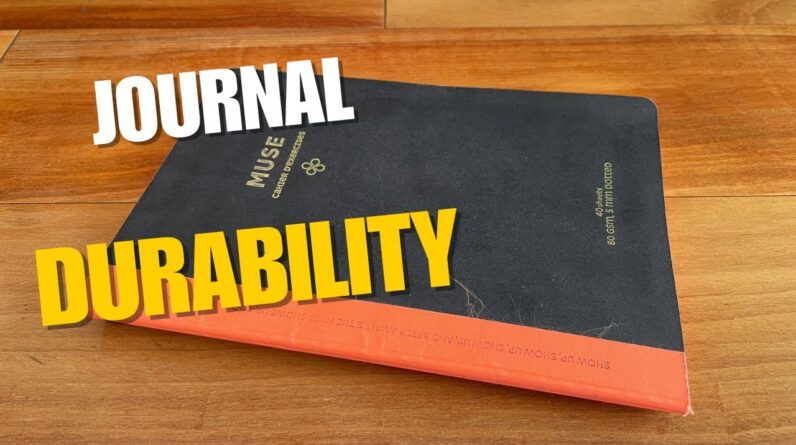


Plan your week with a layout that actually helps
Full Focus Planner
A structured 90-day goal planner built around annual goals, goal detail pages, monthly calendars, daily rituals, and focused daily priorities.
This Full Focus Planner review looks at a productivity planner designed around quarterly goal-setting rather than a full calendar year. The version shown in the video is the dark gray classic planner, a hardcover 90-day planner created around Michael Hyatt’s goal-planning system. It is not a loose notebook with dates added in. It is a very structured planner for people who want to connect daily tasks back to bigger goals.
The planner is slightly larger than A5, with a cloth-textured hardcover, rounded corners, an elastic closure, two ribbon bookmarks, numbered pages, and a back pocket. Inside, the layout begins with annual goals, then goal detail pages, monthly calendar spreads, ritual planning, weekly previews, and daily pages. The whole system is meant to keep you focused on what matters instead of only reacting to a long to-do list.
Quick verdict
The Full Focus Planner is best for someone who wants a guided productivity system, not just a pretty calendar. It gives you a lot of structure, especially around goals, routines, and daily priorities. If you like open-ended notebooks, it may feel too prescriptive. But if you regularly lose track of goals halfway through the year, this planner is genuinely useful because it forces you to define what you are working toward and revisit it often.
| Planner type | 90-day goal and productivity planner |
|---|---|
| Best for | Goal planning, quarterly planning, daily priorities, routines, and focused productivity. |
| Format | Hardcover planner, slightly larger than A5. |
| Pages | About 305 numbered pages, designed for roughly 14 weeks. |
| Paper | 90 gsm cream-colored paper. |
| Main downside | The system can feel too structured if you prefer flexible or minimal planning. |

Build quality and first impressions
The planner makes a strong first impression. The dark gray version has a textured cloth cover that looks professional without feeling flashy. The hardcover has a small overhang around the page block, rounded corners, two matching ribbon bookmarks, and a solid-feeling elastic strap. It also includes a back pocket, which is useful for loose notes or small planning inserts.
The size is slightly larger than a standard A5 notebook. That gives the planner more writing room, but it also means this is not the most compact book to carry everywhere. It feels more like a serious desk planner or work bag planner than a tiny everyday-carry notebook. For a structured 90-day system, that size makes sense because the daily pages need room to breathe.
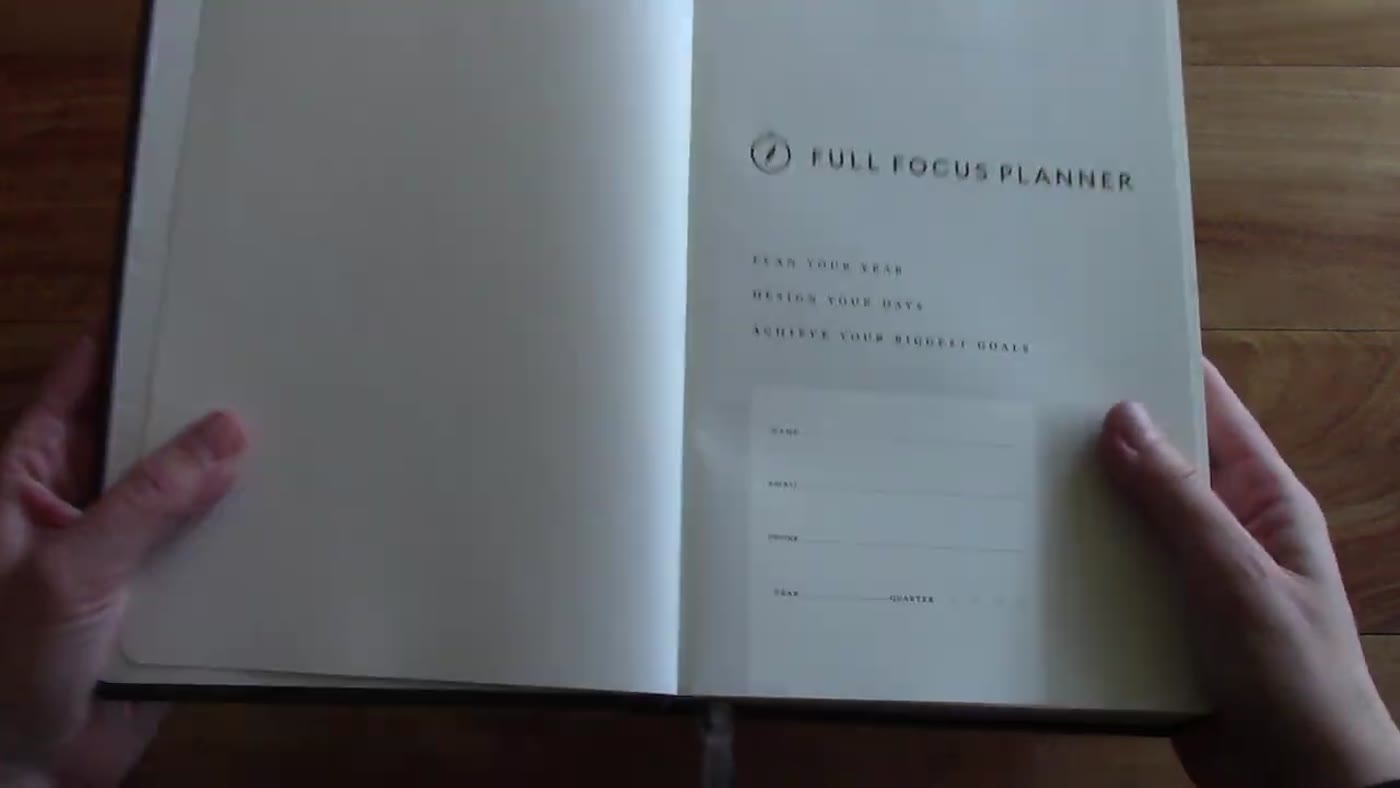
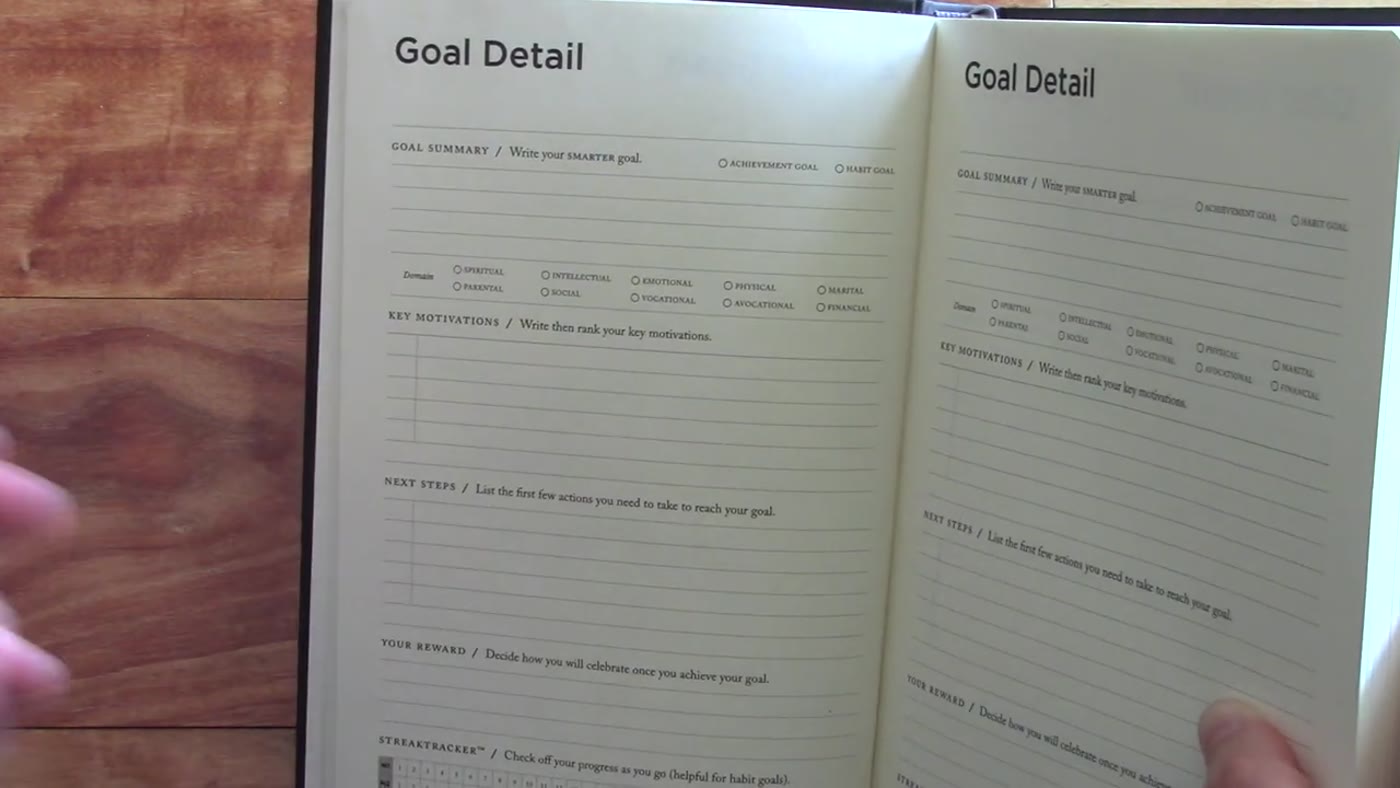
Goal setup and goal detail pages
The goal section is the heart of the Full Focus Planner. It starts with space for annual goals, then gives you dedicated pages to break each goal down in more detail. The system asks you to define the goal, summarize why it matters, make it specific and measurable, choose whether it is an achievement goal or a habit goal, and connect it to a life domain.
That structure is one of the planner’s biggest strengths. It does not treat productivity as only work output. It includes areas like spiritual, intellectual, social, emotional, vocational, physical, avocational, and financial goals. That makes the planner feel more balanced than a pure hustle planner. It encourages you to think about the whole shape of your life, not just your task list.
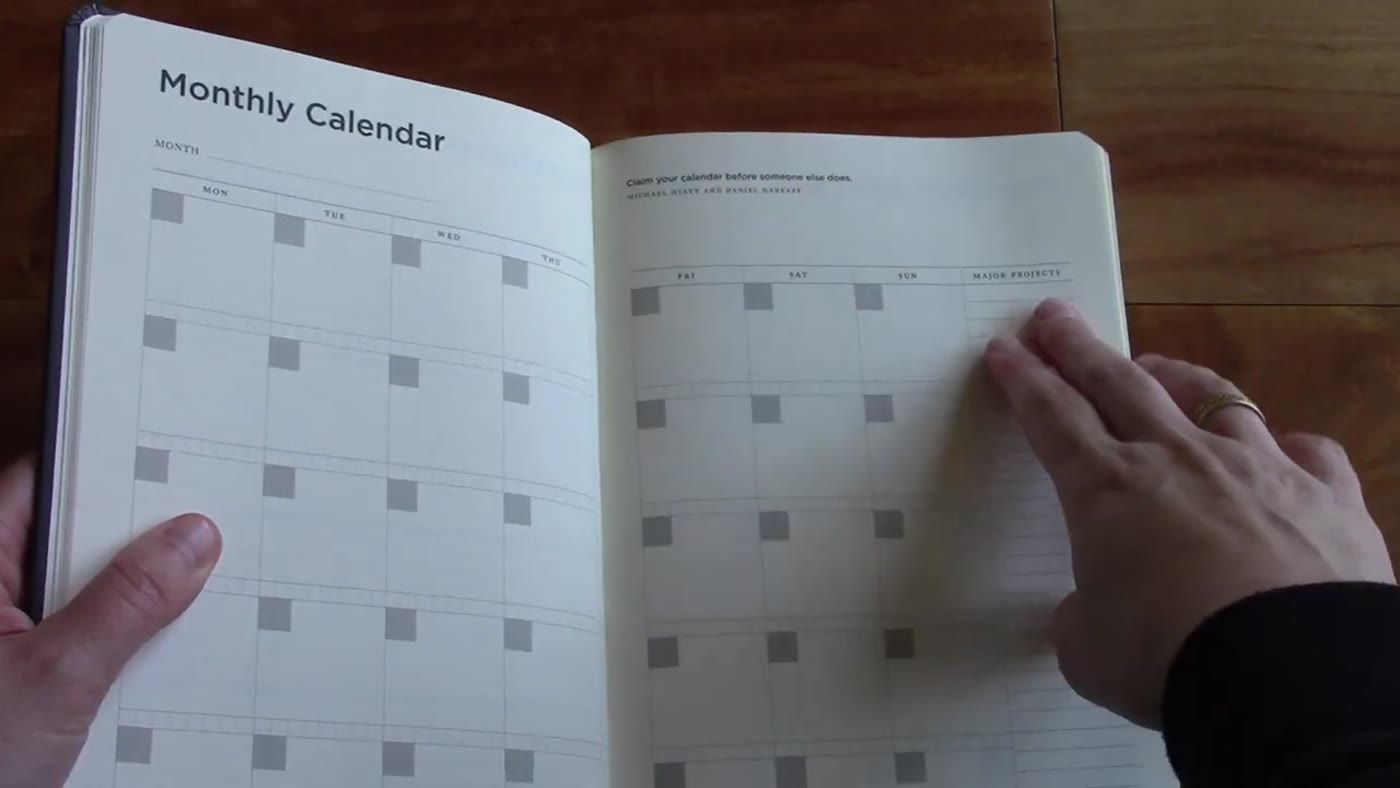
Monthly calendar and quarterly view
After the goal section, the planner moves into monthly calendars and a rolling quarterly view. The monthly spreads are clean and practical. They start on Monday, which keeps the weekend together, and they include space for major projects and small habit tracking. The quotes are present but not intrusive, which is a nice balance for a motivational planner.
The planner is built around a 90-day cycle, so it does not try to be your only planner for the whole year. That is important. If you want one book for twelve months, this may feel expensive or repetitive because you would need multiple volumes. But if you like quarterly resets and focused seasons, the 90-day format can be a feature rather than a flaw.
Daily rituals and routine planning
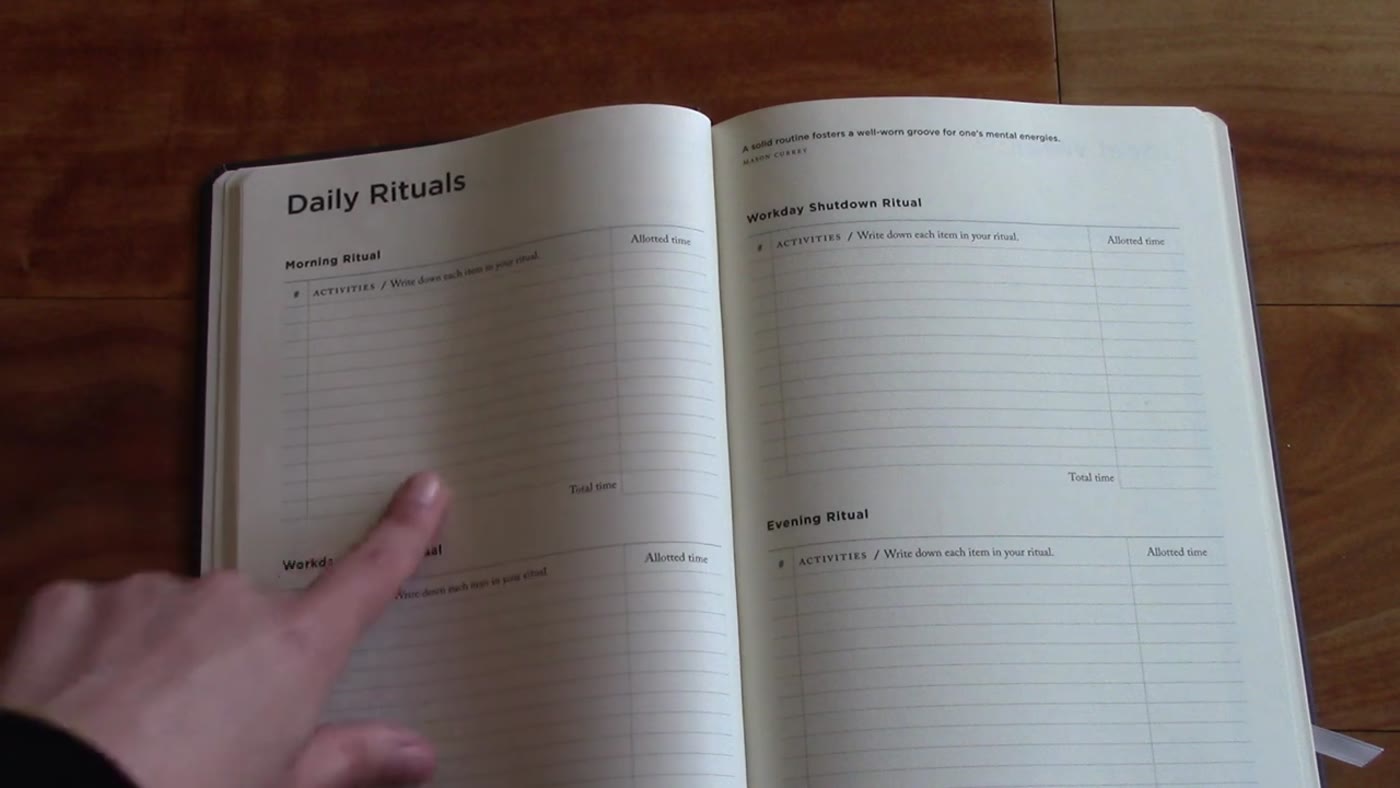
One of the most useful sections is the daily ritual planning. The planner asks you to define a morning ritual, workday startup ritual, workday shutdown ritual, and evening ritual. This is a smart feature because many productivity problems are really routine problems. If you do not know how you start or end your day, it is easy for tasks to drift.
The ritual pages also ask you to estimate how long each routine takes. That makes the planning more realistic. It is easy to write an ideal morning routine that would secretly take two hours. Adding time estimates forces you to notice whether the routine could actually fit into a normal day.
Daily planning pages
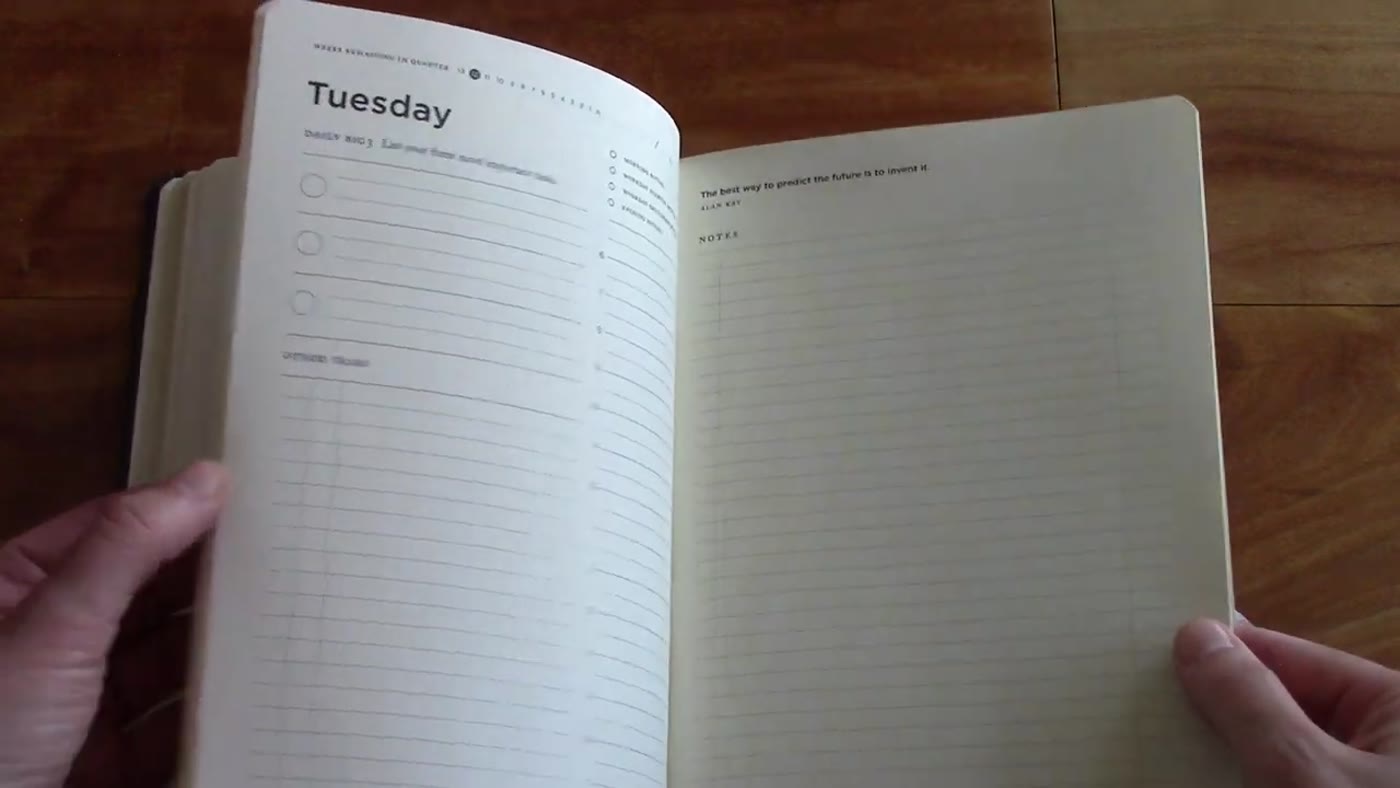
The daily pages are designed around focus. Instead of giving you unlimited space to dump every possible task, the system nudges you to choose priorities. That is helpful if you tend to overwhelm yourself with long lists. The planner is trying to make you ask, “What actually matters today?” rather than “How many things can I write down?”
This approach will suit people who like guided productivity methods. If you already use a bullet journal or a very flexible notebook system, the structure may feel restrictive. But if you want your planner to make decisions easier, the daily layout is a strong point. It turns goals, routines, and tasks into one connected system.
Pros and cons
| Pros | Cons |
|---|---|
|
|
Who it is best for
The Full Focus Planner is best for people who want help turning goals into weekly and daily action. It is especially good if you like quarterly planning, if you are trying to rebuild routines, or if you want a planner that prompts you to think about motivation and next steps instead of only deadlines.
It is less ideal if you mainly need a simple calendar. For appointments, birthdays, and basic reminders, this is probably more system than you need. But for goal-oriented planning, it has a clear point of view, and that is what makes it stand out.
FAQ
Is the Full Focus Planner dated?
The planner shown is a 90-day planner built around a quarterly planning cycle. It is structured, but the review focuses more on the system than a specific calendar year.
How long does one Full Focus Planner last?
One planner is designed for roughly 90 days, or about 14 weeks of planning.
Is it good for beginners?
It can be good for beginners who want guidance, but it may feel intense if you only want a simple weekly planner.
What is the best feature?
The goal detail and ritual planning sections are the strongest features because they connect bigger goals to routines and daily action.
Final Thoughts
The Full Focus Planner is a well-made, highly structured productivity planner. Its biggest strength is that it does not just give you blank boxes for tasks. It asks you to define goals, clarify motivation, build routines, and choose daily priorities. That makes it more demanding than a normal planner, but also more useful if you want a system.
If you prefer flexible journaling, this may feel too guided. But if you want a planner that helps you reset your focus for the next 90 days, the Full Focus Planner is thoughtfully designed and easy to understand once you work through the setup pages.
Plan your week with a layout that actually helps
Full Focus Planner
A focused quarterly planner for people who want goal-setting, daily priorities, and routine planning in one structured book.