

Plan your week with a layout that actually helps
Moleskine Daily Planner
A classic dated planner with one day per page, Moleskine cover details, planning pages, bookmark ribbon, elastic closure, and pocket.
This Moleskine Daily Planner review looks at the classic dated planner format: one day per page, familiar Moleskine cover details, calendar pages, ribbon marker, elastic closure, and back pocket. It is designed for people who want a dedicated daily planning book rather than a flexible blank notebook.
The main question is whether a daily Moleskine still makes sense when digital calendars and task apps are everywhere. The answer depends on how much you value a physical page for each day and whether writing plans by hand helps you stay focused.
Quick verdict
The Moleskine Daily Planner is a good fit if you want a simple, portable, dated planner with enough room for tasks, appointments, and notes. It is not the most customisable planning system, and the paper may not satisfy heavy fountain pen users, but the structure is straightforward and easy to use every day.
| Planner | Moleskine Daily Planner |
|---|---|
| Best for | Daily schedules, task lists, handwritten planning, work notes, and simple productivity routines |
| Main strength | One-day-per-page structure in a familiar Moleskine format |
| Main caution | Less flexible than an undated planner or bullet journal |

Daily page layout
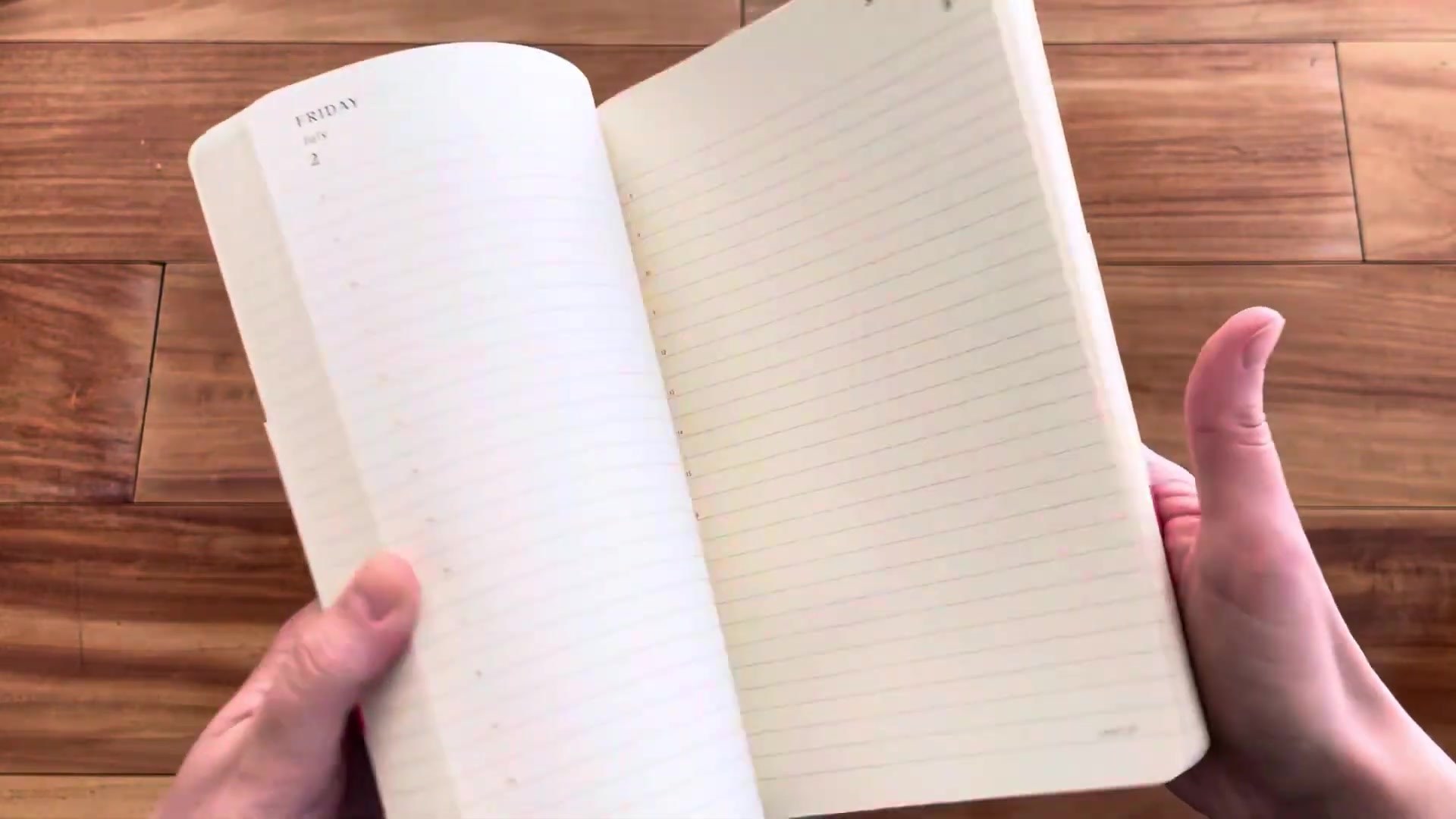
The one-day-per-page layout is the core feature. It gives each day a defined home, which is helpful if you like separating tasks and notes by date. Compared with a weekly planner, it offers more writing room and less visual clutter.
The tradeoff is size and commitment. Daily planners use more pages, so they can feel thicker and more structured. If you only plan lightly, a weekly layout may be enough. If you like writing full daily task lists, the daily format is much more satisfying.

Planning workflow
A planner like this works best when used consistently. You can write appointments, top priorities, notes, reminders, and quick reflections all on the same page. That makes it useful for people who want one place to capture the day rather than juggling apps and sticky notes.
It is also good for end-of-day review. Because each date has its own page, you can look back and see what actually happened. That archive quality is one of the reasons paper planners still appeal to many people.

Cover, closure, and extras
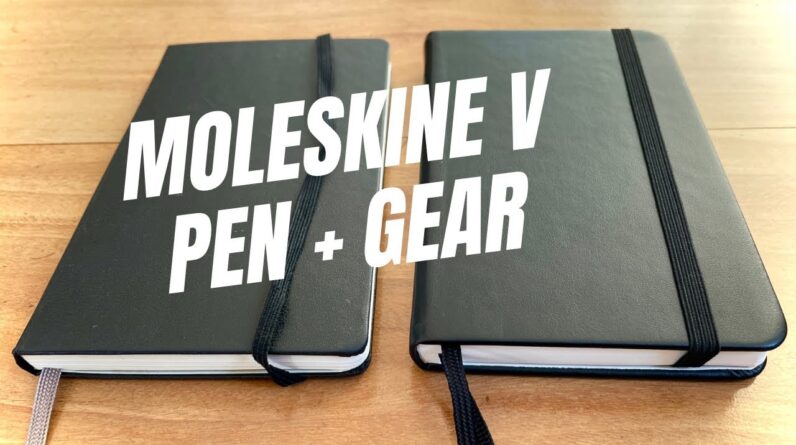
The familiar Moleskine details are all part of the appeal: elastic closure, ribbon marker, back pocket, simple cover, and compact size. None of those details are unusual anymore, but together they create a clean planning object that is easy to carry and recognise.
The pocket is useful for receipts, appointment cards, loose notes, and small papers. The ribbon marker keeps the current day accessible. These little touches matter more in a planner than in a notebook because the book is meant to be opened repeatedly throughout the day.

Pros and cons
| Pros | Cons |
|---|---|
|
|
Who should buy it?
Buy the Moleskine Daily Planner if you want a structured paper planner that tells you exactly where each day belongs. It is especially useful for people who like to write priorities, reminders, appointments, and notes by hand.
Skip it if you want full flexibility, habit trackers, elaborate layouts, or an undated system. A bullet journal or custom planner will be better if you want to design every page yourself.

Practical buying advice
The best reason to choose the daily planner is writing space. If your days are busy and you regularly need room for notes, the format earns its bulk. If most days only contain two or three tasks, a weekly planner will be more efficient.
Think about carry habits too. A daily planner can become a desk anchor rather than a bag planner if the size feels too much. Choose the size and cover style based on where you will actually use it.
How it compares with a bullet journal
The Moleskine Daily Planner is much more structured than a bullet journal. You do not have to draw calendars, choose layouts, or decide how much space each date deserves. The book makes that decision for you: every day gets a page, and your job is simply to use it.
That simplicity is a strength if you want less friction. It is a weakness if you love custom spreads, habit trackers, and flexible collections. A bullet journal adapts to you; the Daily Planner gives you a ready-made system and asks you to follow it consistently.
Best use cases
This planner works especially well for people whose days generate lots of small notes: calls, errands, deadlines, reminders, and follow-up tasks. The daily page gives those details room to breathe without crowding a weekly spread.
It is also useful as a simple work log. Even if you use a digital calendar for appointments, a paper daily planner can capture what you actually did, what still needs attention, and what should move forward. That handwritten record is the reason many people keep returning to paper planners.
One practical tip is to keep the planner visible. A daily planner works only when it becomes part of the day, so leaving it open on a desk or using the ribbon marker every morning can make the system much easier to maintain.
If you already enjoy checking off handwritten tasks, the daily format gives that habit a clear and satisfying home.
The daily format is also helpful when you want a written record of priorities, not just appointments. Looking back through completed pages can show patterns in workload, energy, and recurring tasks.
For best results, pair it with one simple rule: write tomorrow’s first task before closing the planner each evening.
Moleskine Daily Planner FAQ
Is the Moleskine Daily Planner good for productivity?
Yes, if you like a simple one-day-per-page system for tasks, appointments, and daily notes.
Is it better than a weekly planner?
It is better if you need more room each day. A weekly planner is better if you prefer seeing the whole week at once.
Is the paper fountain-pen friendly?
It depends on the pen and ink. Many fountain pen users prefer more paper-focused notebooks for wet inks.
Who should avoid it?
Avoid it if you dislike dated pages, want highly custom layouts, or plan mostly in digital tools.
Final Thoughts
The Moleskine Daily Planner is still useful because it makes daily planning simple. One page, one date, one place to capture what matters. That structure is not flashy, but it can be very effective if you enjoy handwritten planning.
It is not the most flexible or paper-technical planner available, but it remains a clean, familiar, and practical option. For people who want a classic daily planner with enough writing room, it is easy to understand why the format has lasted.
Plan your week with a layout that actually helps
Moleskine Daily Planner
A classic dated planner with one day per page, Moleskine cover details, planning pages, bookmark ribbon, elastic closure, and pocket.