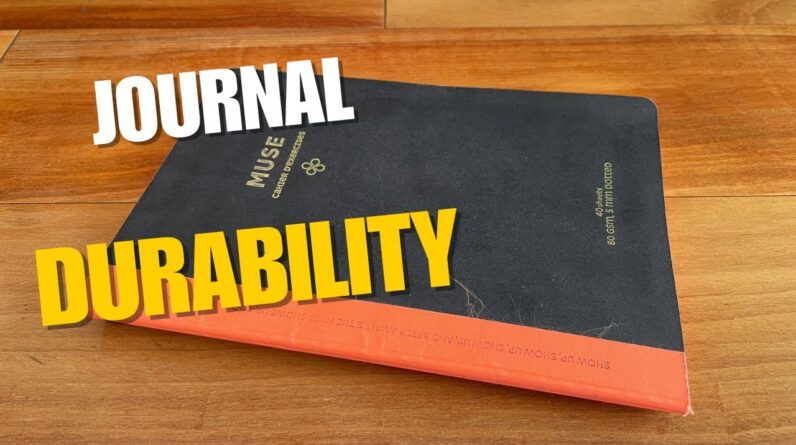


Check the classic notebook against your real pen habits
Moleskine Classic Notebook
A preserved exact Moleskine path used for a practical quality-focused review.
Moleskine Bad Quality: What to Look For
The old post raised a blunt question: has Moleskine quality slipped? A fair refresh should be more specific. Quality is not just one complaint. It can mean paper that disappoints certain pens, binding that feels loose, an elastic that stretches, cover wear, or a notebook that no longer feels worth its price.
This review uses the preserved Moleskine Classic path as the buyer reference, but the main value is the inspection checklist. If you are buying a Moleskine today, compare the exact listing and think about how you write.

What Counts as a Quality Issue?
Some marks are normal wear. A notebook carried daily will get scuffed. A quality issue is different: pages that feel wrong for your pens, poor binding, corners that fail early, weak elastic, or paper that makes writing unpleasant. The key is whether the flaw affects use.
| Area | What to compare |
|---|---|
| Paper | Ghosting, bleed, tooth, color |
| Binding | Page security and lay-flat behavior |
| Elastic | Tension and attachment |
| Cover | Wear, flexibility, corner strength |

Paper Expectations
Moleskine paper can be fine for pencil, ballpoint, and many gel pens. It is more divisive with wet fountain pens, broad nibs, and markers. If you use demanding pens, do not judge from brand reputation alone. Check current buyer notes and be ready to test a back page first.
A notebook can still be useful even if it is not perfect for every pen. The question is whether it suits your tools.

How to Inspect a New Notebook
When a new Moleskine arrives, look at the spine, elastic, cover corners, page block, and first few pages. Open it gently, check whether the book lies comfortably enough for your use, and test your normal pen on a discreet page. This gives you practical evidence before you commit the notebook to a long project.
If the notebook is for a diary, feel matters. If it is for field notes, carry durability matters. If it is for sketching or fountain pens, paper behavior matters most.

Who Should Still Buy It?
Buy it if you like the Moleskine look, use friendly pens, and want a familiar classic notebook. Skip it if you expect premium paper performance or already know you dislike ghosting. There are better choices for fountain pen users and heavy paper testers.
| Buyer type | Fit |
|---|---|
| Ballpoint diary writer | Good fit |
| Wet fountain pen user | Compare carefully |
| Brand loyalist | Likely still appealing |
| Paper-first buyer | Consider alternatives |

Practical Verdict
The honest answer is that Moleskine can be good for the right user and disappointing for the wrong one. The quality concern is real when expectations are mismatched. If you want premium paper, choose by paper. If you want the classic Moleskine experience, choose the exact current variant and use pens that suit it.
The safest purchase is one made with clear expectations, not nostalgia alone.
Separating Preference From Defect
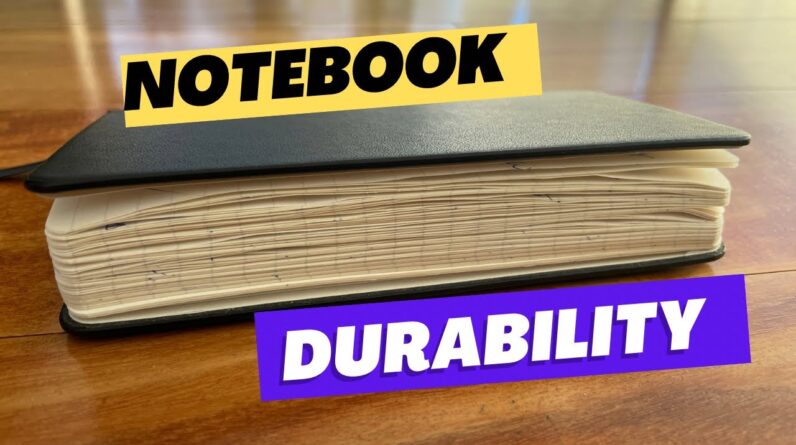
Not every disappointment is a defect. Some people dislike the paper color, the tooth, or the amount of ghosting, while others use the same notebook happily for years. A defect is more serious: loose pages, a damaged spine, failed elastic, or a cover problem that appears before normal use would explain it.
That distinction helps when reading complaints. If many buyers describe the same structural problem, pay attention. If the complaints are mostly about fountain pen behavior, decide based on your own pens. Quality is partly objective and partly about fit.
How to Use a Moleskine Well
If you already own one, choose friendly pens and give the notebook a clear job. Use it for daily notes, short journaling, project capture, or lists. Avoid forcing it into watercolor, marker, or very wet fountain-pen work if the paper is not responding well. A notebook can be useful without being ideal for every medium.
Price and Expectation
Part of the quality debate comes from price. A cheaper notebook can be forgiven for ordinary paper or a plain cover. A famous notebook invites higher expectations. When a buyer pays for the Moleskine name, they often expect the paper, binding, and finish to feel more consistent than generic stationery.
That expectation is why the review still matters. If you are buying for brand feel, you may be satisfied. If you are buying for technical paper performance, you may be disappointed. The same object can feel worth it to one user and overpriced to another.
Better Ways to Judge It
Judge a new notebook against the job you bought it for. For a daily diary, ask whether it opens easily and makes you want to write. For work notes, ask whether the size and ruling support quick capture. For pen testing, ask whether the paper handles your actual pens. A single notebook does not need to win every category to be useful.
It is also fair to compare current buyer photos and recent comments. Manufacturing details can shift over time, and old impressions may not perfectly describe the current batch.
Best Fit Summary
Moleskine is still a good fit for writers who like its look, use moderate pens, and want a classic notebook without many built-in systems. It is a weaker fit for people who judge a notebook primarily by fountain-pen performance or premium paper feel.
The quality question should make buyers more specific, not just more cynical. Ask what failure would actually bother you. If ghosting annoys you, focus on paper. If loose pages worry you, focus on binding. If carry wear matters, focus on cover and elastic.
One final buying tip: read quality complaints by category. Paper complaints matter most if you use ink that exposes them. Binding complaints matter to everyone because loose pages affect the notebook’s basic purpose. Cover complaints matter most if you carry the book every day. This keeps the review practical instead of turning the brand into a simple yes-or-no decision.
If the current listing still appeals after that check, the notebook may be the right fit for your routine.
For long-term satisfaction, write a few sample lines with the same pen you use most. Then check the back of the page in normal light. If the result feels acceptable, the notebook can still be a useful everyday book even if it is not the strongest paper on the market.

FAQ
Is Moleskine quality always bad?
No. It depends on the exact notebook, your pen choice, and what you expect from the paper and binding.
What pens are safest for Moleskine paper?
Pencil, ballpoint, and many gel pens are safer than very wet fountain pens or markers.
What should I check when it arrives?
Check paper response, binding, elastic, cover corners, and whether the notebook opens comfortably.
Who should avoid it?
Paper-first buyers and heavy fountain pen users may prefer a notebook with stronger paper performance.
Final Thoughts
Moleskine is best judged as a classic everyday notebook, not a universal premium-paper answer.
Check the classic notebook against your real pen habits
Moleskine Classic Notebook
A preserved exact Moleskine path used for a practical quality-focused review.