

Compare value before paying for the cover
Cheap vs Expensive Notebook Search
A focused search path for comparing basic composition notebooks with classic premium-style notebooks before choosing what actually fits your writing.
Cheap vs Expensive Notebooks: What’s Better?
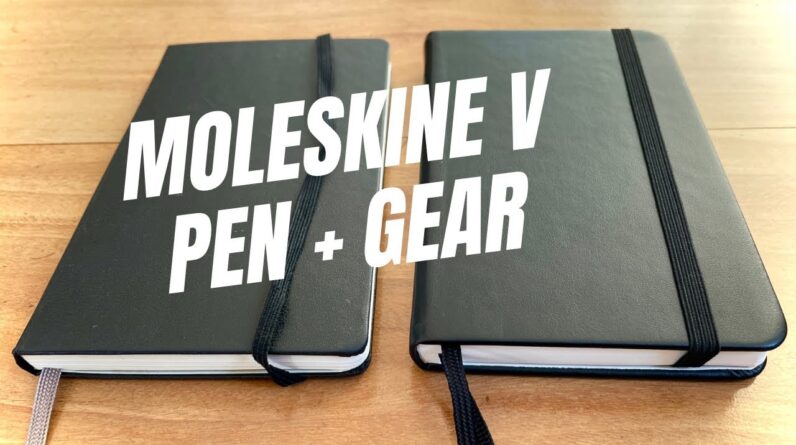
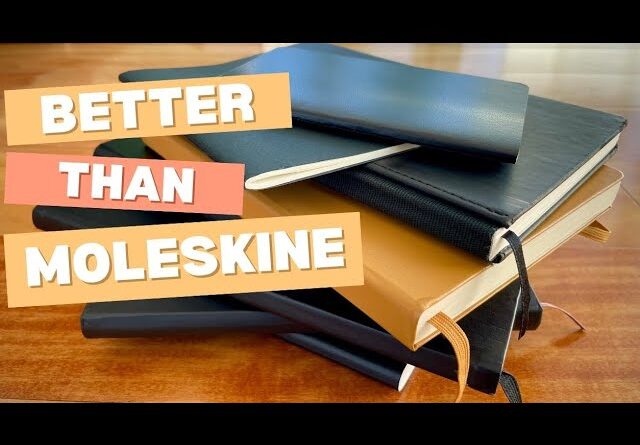
The honest answer is that neither cheap nor expensive notebooks are automatically better. Cheap notebooks win when the job is disposable, practical, or high-volume. Expensive notebooks win when paper quality, durability, design, and writing pleasure matter enough to justify the price. The right choice depends on what you are writing and how much friction you want the notebook to remove.
This comparison is useful because it moves beyond brand loyalty. A two-dollar composition notebook can be perfect for messy drafts, school notes, or experiments. A premium notebook can be worth it for journaling, work records, long-term projects, or pen use. The mistake is buying premium when you need permission to be messy, or buying cheap when the paper fights your pens every day.
Where Cheap Notebooks Win
Cheap notebooks are easy to find, easy to replace, and emotionally low-pressure. That makes them excellent for rough drafts, brainstorming, school practice, temporary notes, messy planning, and situations where the notebook may get lost or damaged. If you hesitate to write in a nicer notebook, a cheap one may produce more actual writing.

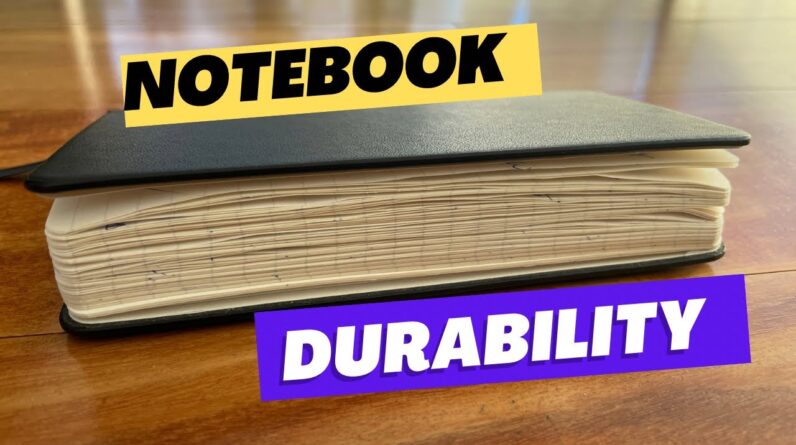
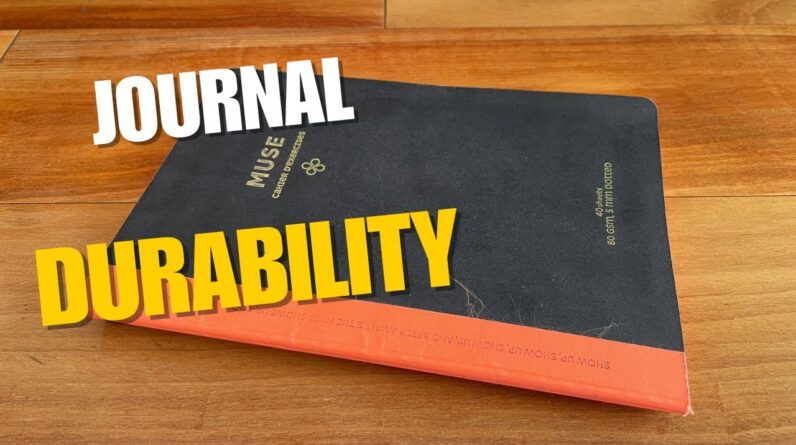
The tradeoff is usually paper, binding, and durability. Cheap paper may feather, bleed, ghost, or feel scratchy. Covers and spirals may bend. Pages may not feel archival. But for notes that do not need to last forever, those tradeoffs can be acceptable.
Where Expensive Notebooks Win
Expensive notebooks usually justify themselves through better paper, stronger construction, better lay-flat behavior, more refined covers, and a nicer writing experience. If you use fountain pens, archival notes, or a daily journal, the upgrade can matter every time you open the book.
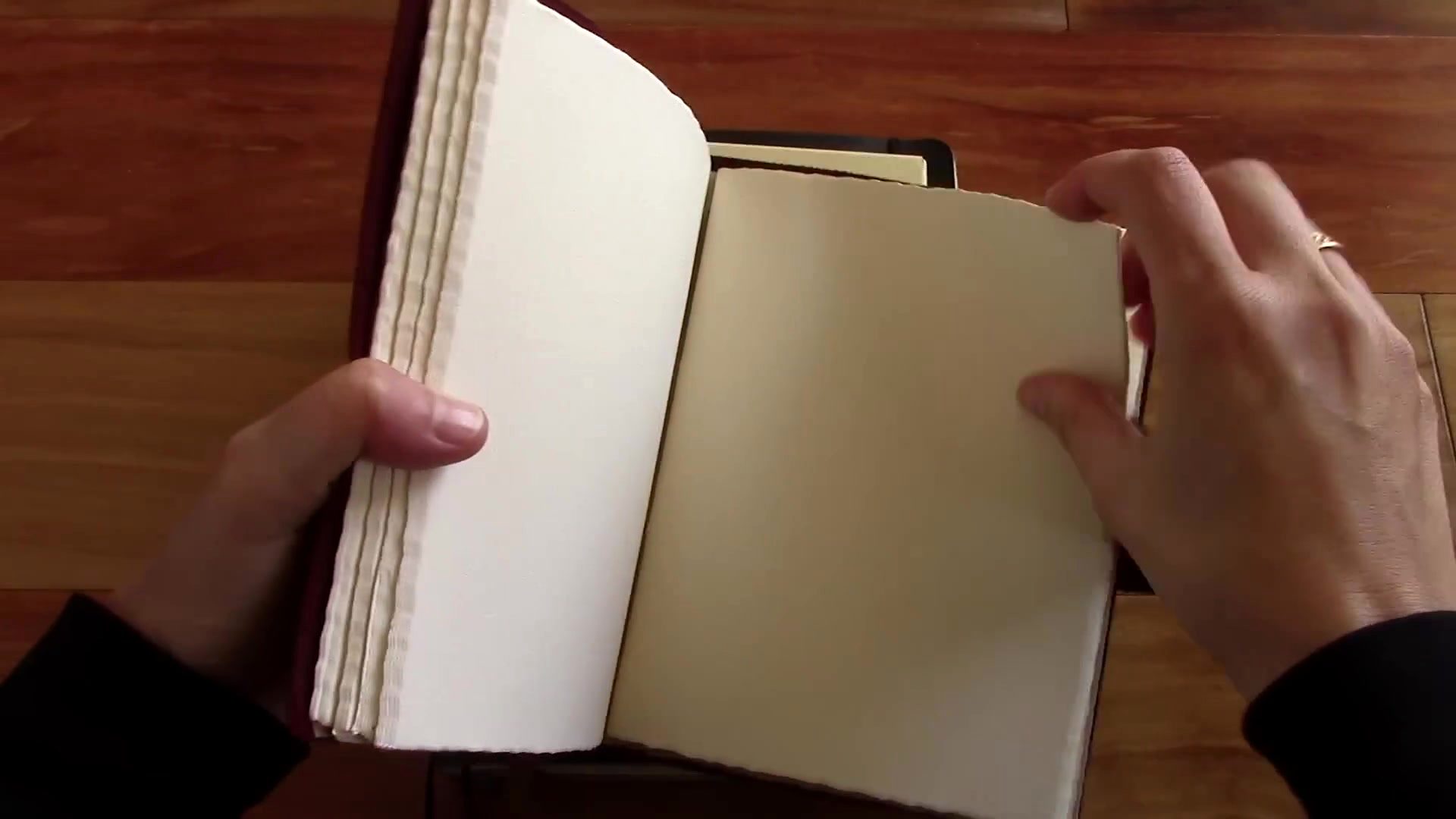
The danger is preciousness. If a notebook feels too expensive, you may avoid using it. A premium notebook is only worth the money if it helps you write more clearly, keep better records, or enjoy the process enough to stay consistent.
Paper, Pens, and Use Case
The pen you use changes the answer. Pencil and ballpoint users can tolerate many cheap notebooks. Gel pens, rollerballs, markers, and fountain pens expose weak paper quickly. If ink performance matters, spend more on paper rather than cover decoration.

Use case also matters. For daily journaling, a notebook that feels good can encourage consistency. For project notes, durability and page organization may matter. For throwaway brainstorming, cheap paper can be liberating because you do not feel the need to make every page perfect.
Comparison Table
| Need | Better choice | Why |
|---|---|---|
| Messy drafts | Cheap notebook | Low pressure and easy replacement |
| Fountain pens | Premium notebook | Better paper is more likely to handle ink |
| School practice | Cheap notebook | High-volume notes do not need luxury materials |
| Daily journal | Depends | Choose the one you will actually use |
| Long-term archive | Premium notebook | Better binding and paper matter over time |
Buying Checks
| Concern | What to check |
|---|---|
| Paper weight | Look for gsm and pen reviews |
| Binding | Spiral, stitched, glued, or thread-bound |
| Use | Temporary notes versus long-term records |
| Cost | Price per page, not just cover price |
Daily Use Recommendation
Keep both categories if you write a lot. Use cheap notebooks for messy thinking, drafts, lists, and experiments. Use better notebooks for notes you want to keep, writing that benefits from better paper, and projects where the notebook itself helps you stay organized.

If budget is tight, spend money where it changes the experience most: paper first, then binding, then cover. A beautiful cover with bad paper is less useful than a plain notebook that handles your pen well. If you are buying online, customer photos and review snippets about ghosting, bleed-through, and binding are more helpful than marketing language.
For most people, the best system is not cheap versus expensive. It is cheap plus expensive: one notebook for free, ugly thinking, and one better notebook for the writing that deserves to last.
Best Fit and Alternatives
If you are deciding between cheap and expensive notebooks, start by naming the job. A notebook for study drills, grocery lists, morning pages, or throwaway drafts should not require a premium budget. A notebook for archived project notes, serious journaling, client meetings, or ink-heavy writing deserves more scrutiny.
A useful compromise is to buy one cheap pack and one better notebook, then assign roles. The cheap book becomes a place for unfinished thinking. The nicer notebook becomes the place where polished notes, plans, or reflections live. This removes guilt from both: you can be messy where mess belongs and careful where care helps.
Customer sentiment on cheap notebooks usually clusters around value, quantity, and convenience. Premium notebook reviews usually focus on paper feel, ghosting, cover quality, and whether the binding opens comfortably. Read those comments through your own pen and use case.
Practical Buying Advice
For students or high-volume note takers, cheap notebooks often win by default because the number of pages matters. For writers and journal keepers, the better notebook may win because the feel of the page affects whether you return to it.
Think of the premium price as paying for fewer annoyances: less bleed-through, better cover protection, smoother binding, and a notebook you enjoy opening. If those annoyances do not bother you, save the money and buy the cheap book.
A good rule is to match permanence to price. Temporary thoughts can live in temporary notebooks; long-term records deserve better paper and binding.
If you are unsure, buy the cheaper notebook first and pay attention to what annoys you. If the paper, binding, or cover never bother you, you learned something useful. If they bother you every session, the upgrade has a clear reason.

FAQ
Are expensive notebooks always better?
No. They are better when paper, binding, durability, or writing pleasure matter. Cheap notebooks can be better for drafts, school notes, and low-pressure messy work.
What should I pay for first in a notebook?
Pay for paper quality first, especially if you use gel pens, rollerballs, markers, or fountain pens. Binding and cover durability come next.
When is a cheap notebook the smarter choice?
A cheap notebook is smarter for temporary notes, brainstorming, rough drafts, practice, or any use where you want to write without feeling precious.
How should I compare notebooks online?
Compare paper weight, ruling, binding, page count, size, and recent customer comments about ghosting, bleed-through, and durability. Price per useful page matters more than price alone.
Final Thoughts
Cheap notebooks are not bad; they are tools for low-pressure writing. Expensive notebooks are not automatically indulgent; they can make writing easier and more durable. Choose based on the job, the pen, and whether the notebook makes you more likely to write.
Compare value before paying for the cover
Cheap vs Expensive Notebook Search
A focused search path for comparing basic composition notebooks with classic premium-style notebooks before choosing what actually fits your writing.