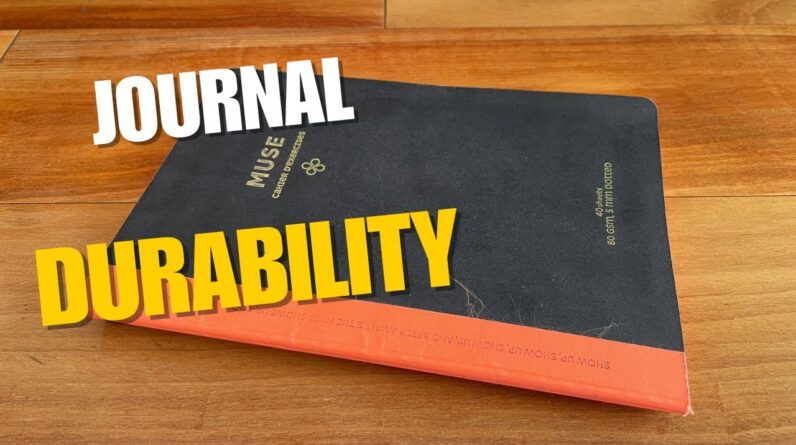


Keep your notes in a classic everyday format
Moleskine Classic Notebook
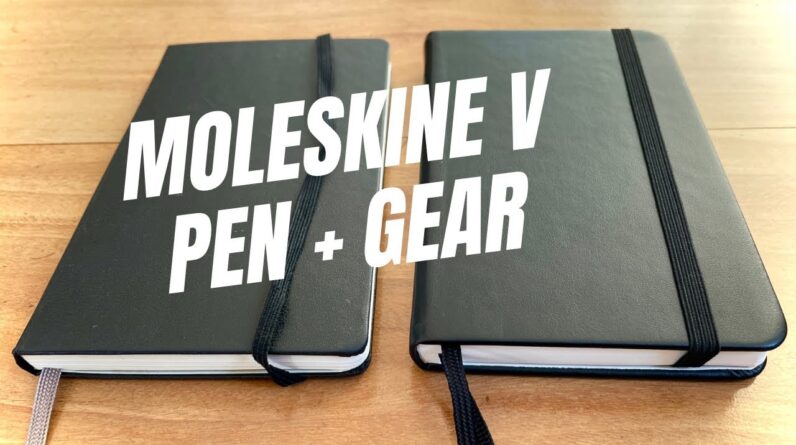
The familiar black hardcover notebook that many journalers used for years: elastic closure, bookmark ribbon, pocket, and ivory ruled pages.
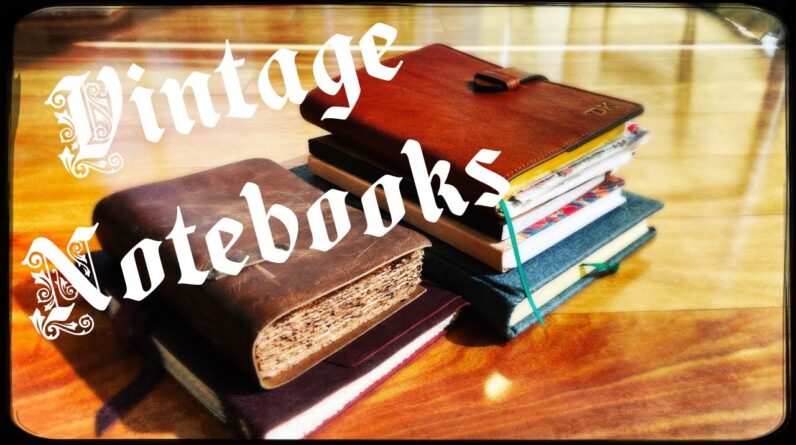
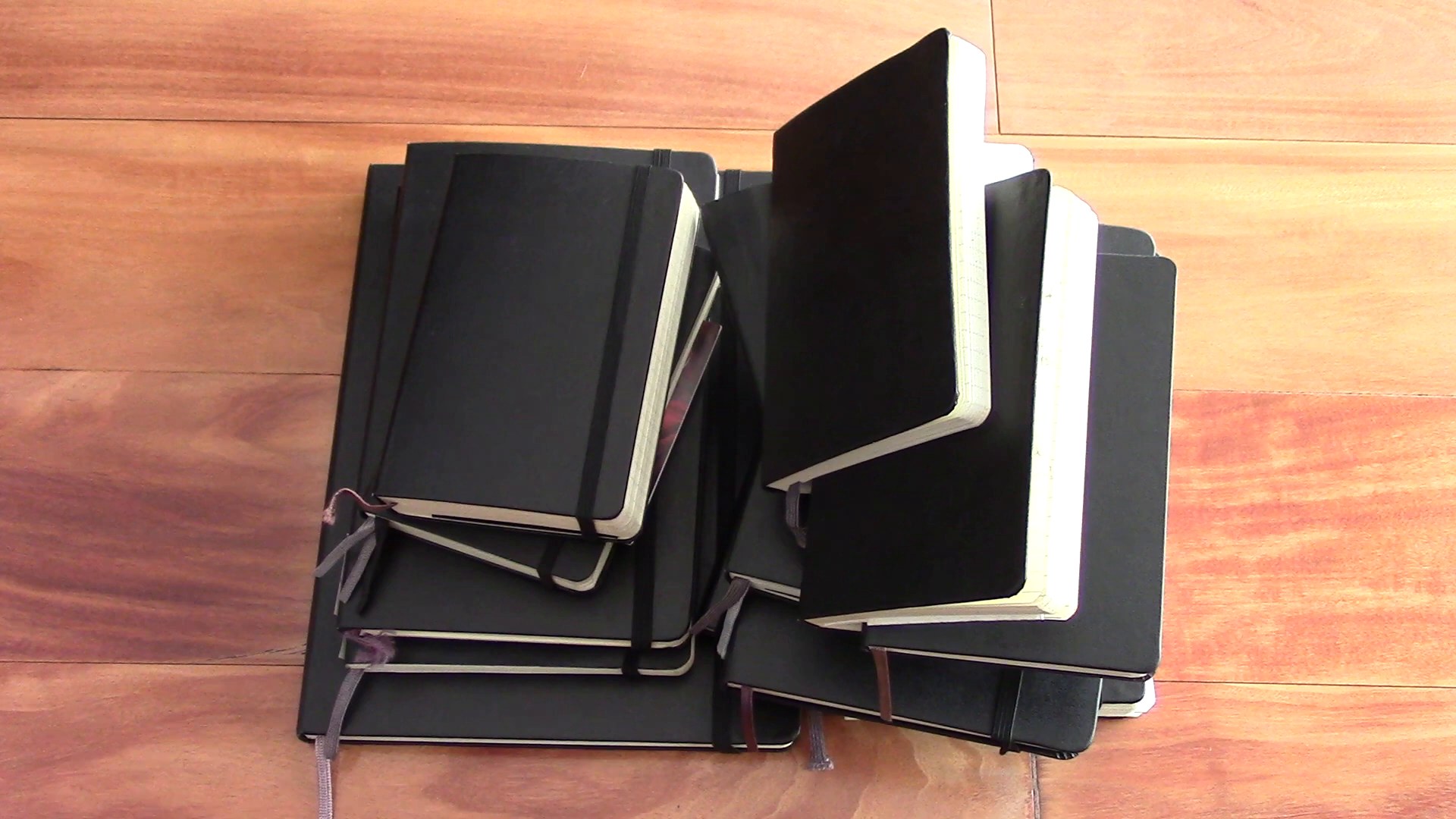
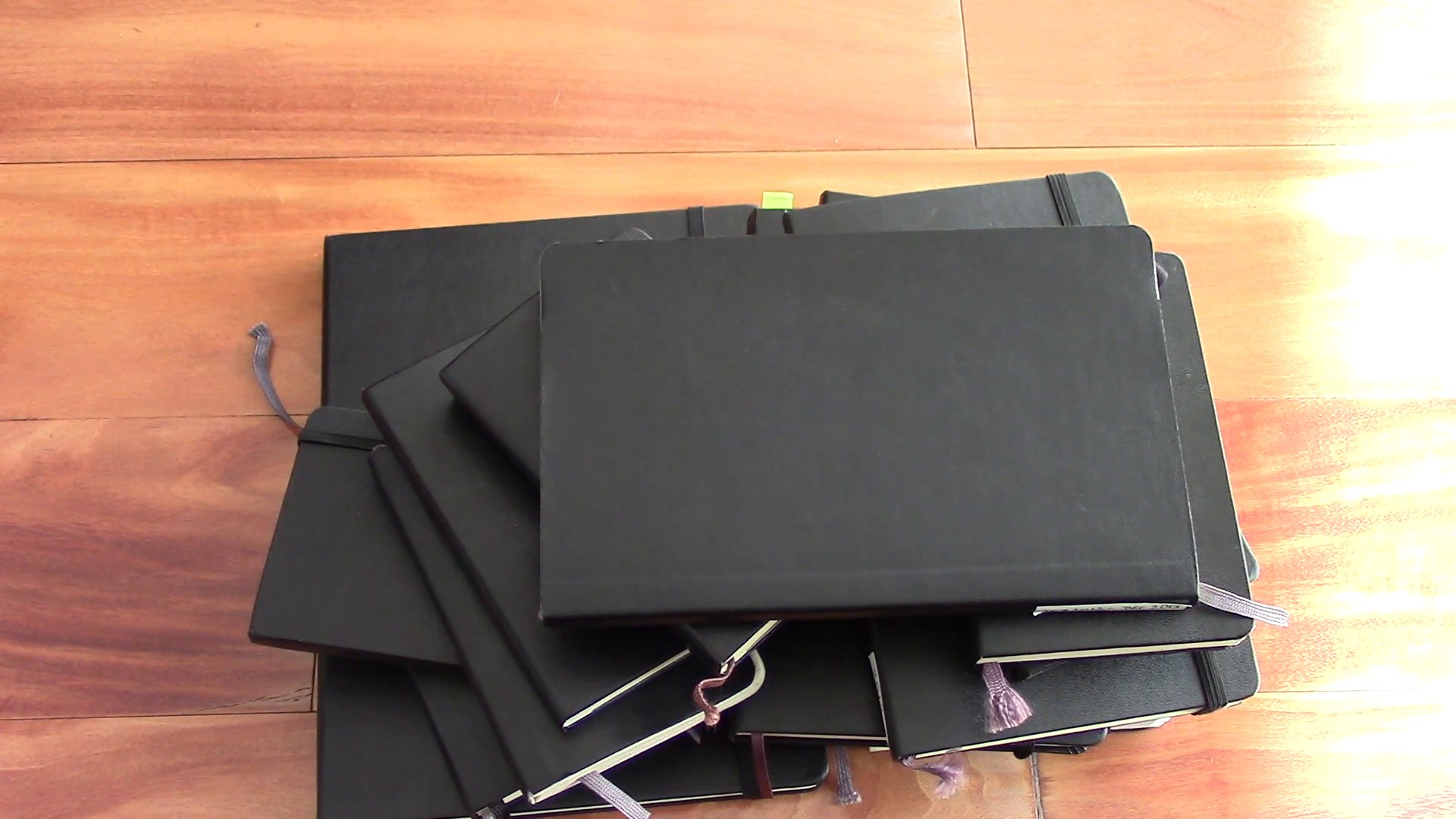
This article looks back at almost 20 years of Moleskine notebooks: the stacks of black covers, the used pages, the changes in feel, and the emotional weight that builds when a notebook brand becomes part of your writing life for a long time. It is not just a product review. It is a long-term archive of journaling history.
Moleskine has been loved, criticized, copied, and debated for years. The interesting question here is not whether every Moleskine is perfect. It is why so many people kept using them, what the notebooks meant over time, and how the brand held up after years of journaling.
Quick verdict
The Moleskine Classic Notebook remains iconic for a reason. The design is simple, portable, and instantly recognizable. The elastic closure, ribbon bookmark, back pocket, rounded corners, and black cover created a template that many other notebook brands copied. The paper is not perfect for every pen, and long-term quality debates are real, but the notebook’s cultural place is hard to ignore.
| Notebook | Moleskine Classic Notebook and older Moleskine journals |
|---|---|
| Best for | Everyday journaling, travel notes, lists, personal archives, and long-term notebook collections |
| Main strength | Simple classic design that is easy to carry and easy to recognize |
| Main caution | Paper performance and quality consistency can vary, especially for fountain pen users |
Why Moleskine became iconic
The Moleskine look is almost too familiar now: black cover, elastic band, bookmark ribbon, expandable back pocket, cream paper, rounded corners. But when a design becomes that recognizable, it is worth asking why it worked. Part of the appeal is that it feels neutral. It can be a journal, sketchbook, travel log, commonplace book, or work notebook without announcing too much about itself.
That neutrality is powerful. A Moleskine can feel professional, artistic, private, or literary depending on how it is used. That helped the notebook become a default choice for people who wanted a serious-looking journal without decoration.
What changes after years of use
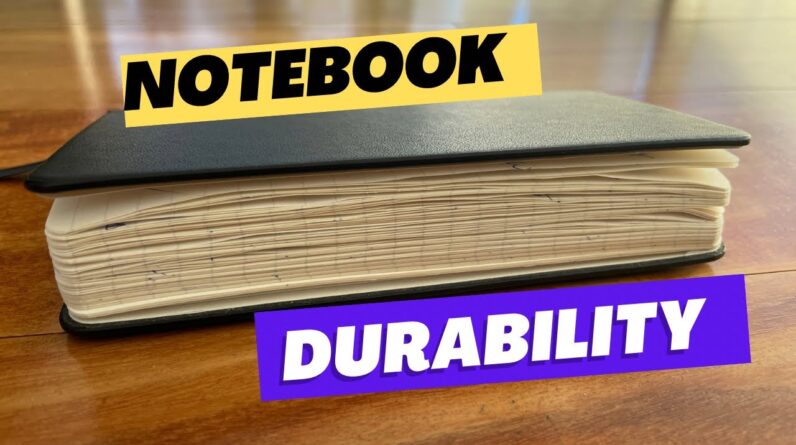
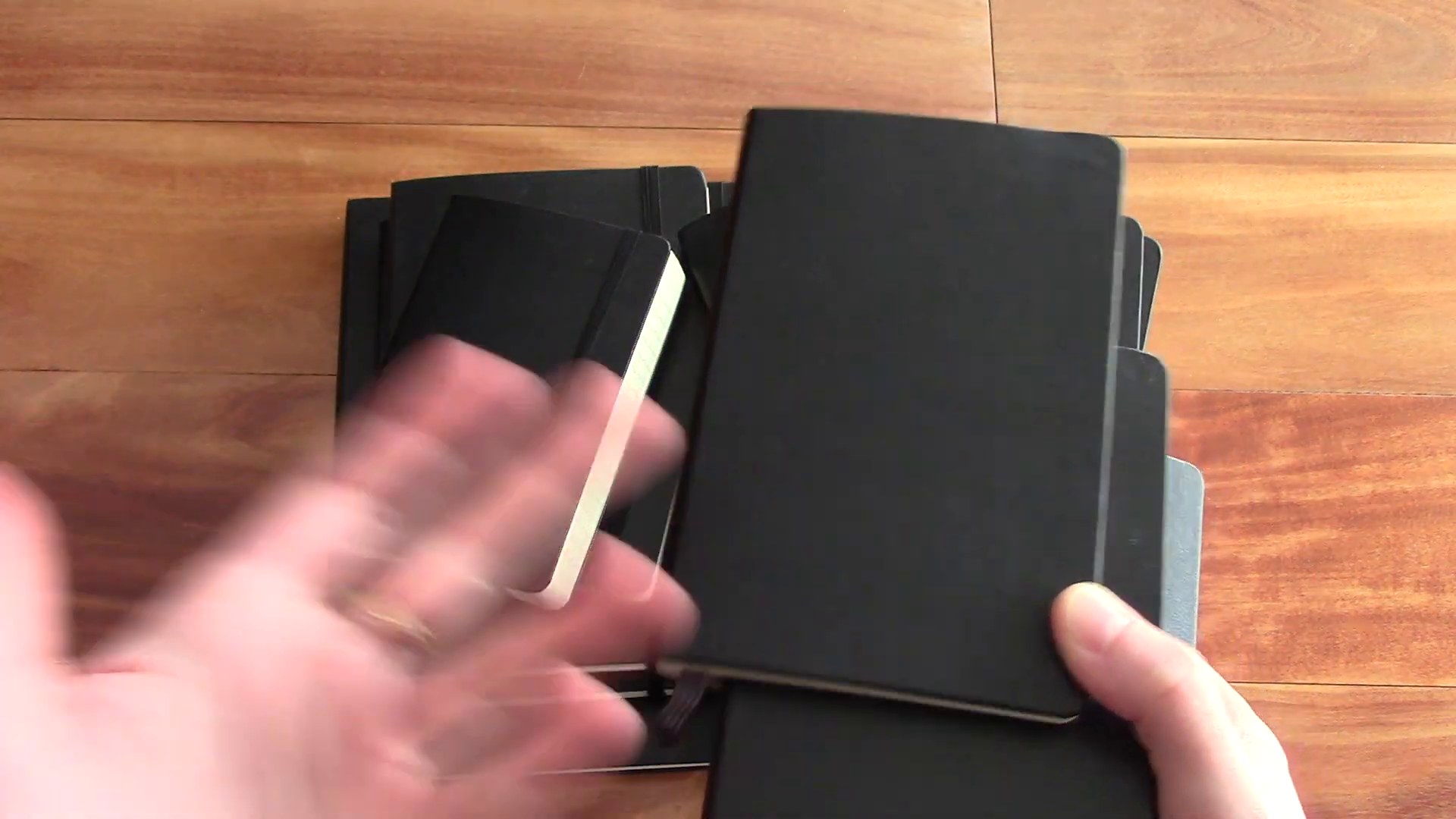
A new Moleskine is simple. A used Moleskine is different. After years, the covers soften, the ribbons fray, the elastic stretches, the page edges darken, and the notebook starts carrying the evidence of the life around it. That is one reason long-term notebook collections are so compelling.
Looking through old journals also shows how notebooks become memory containers. They hold lists, dates, travel notes, drafts, ideas, and ordinary days that might otherwise disappear. The brand matters less than the habit, but the consistent format makes the collection feel connected across time.
Paper and writing experience
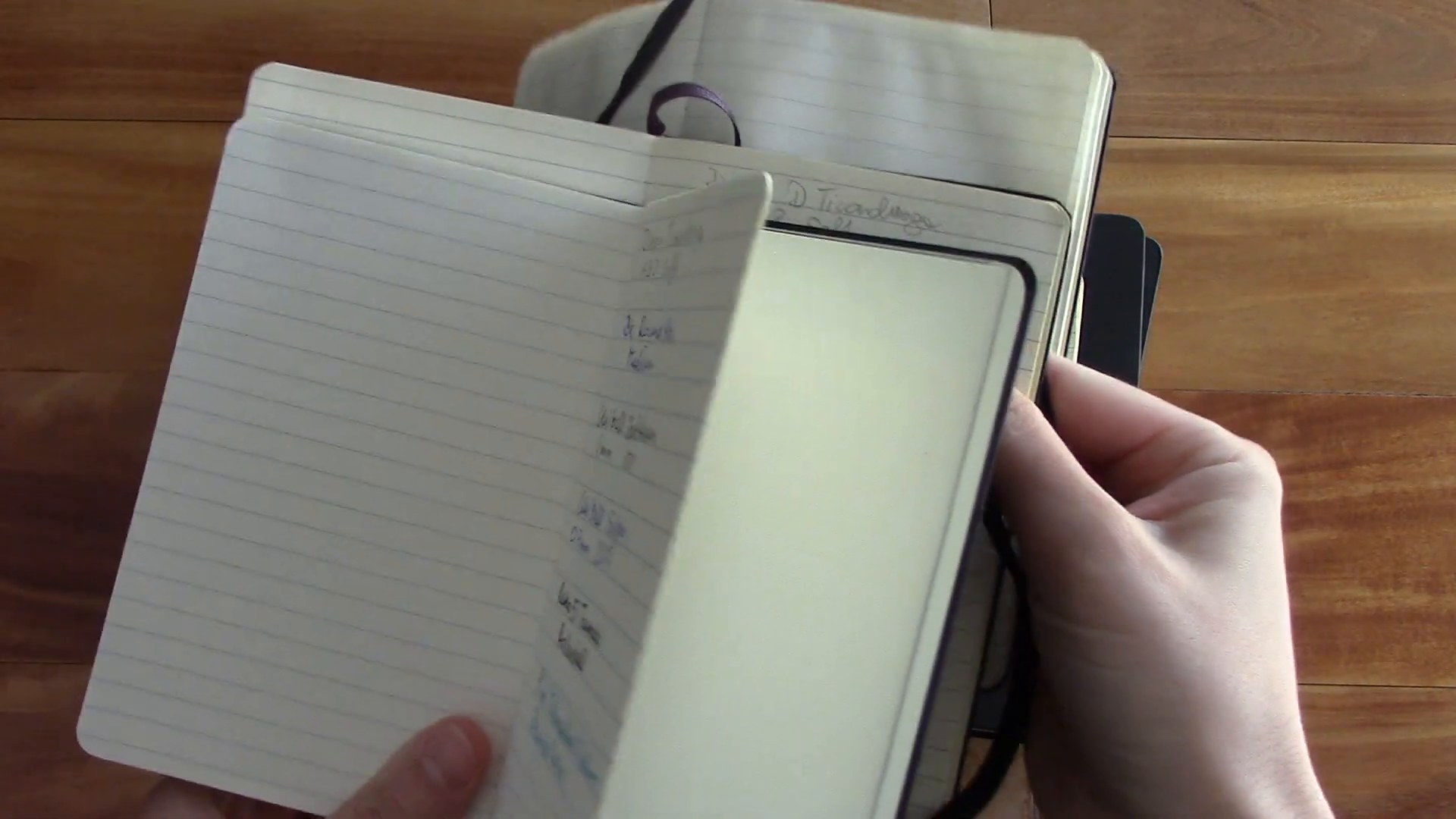
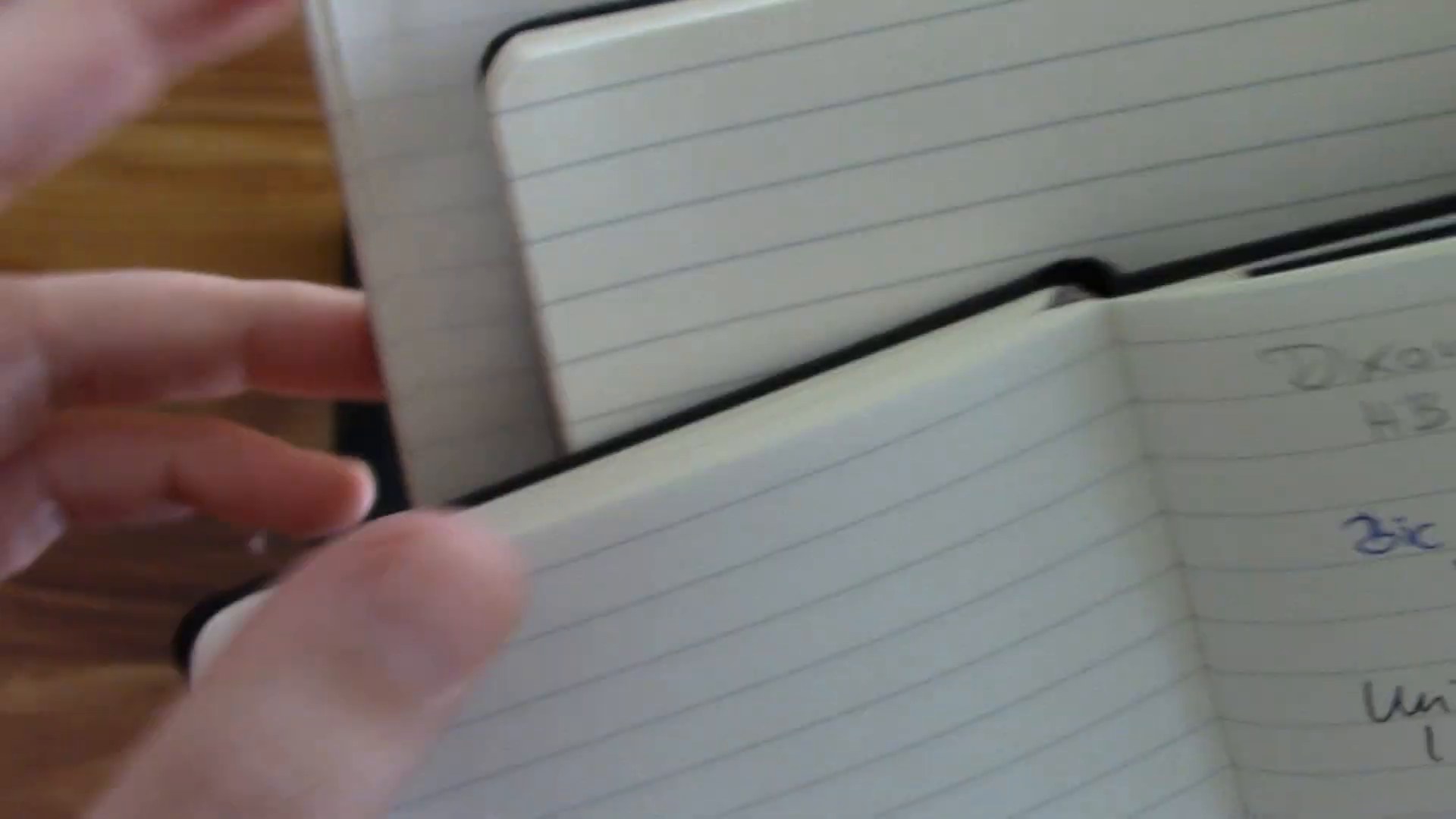
Moleskine paper is the most debated part of the notebook. For ballpoints, pencils, and many everyday pens, it can be perfectly usable. For fountain pens, wet inks, and heavy markers, it can be disappointing. Bleed-through, feathering, and show-through are common complaints depending on the year and paper batch.
That does not make Moleskine useless. It means the notebook works best when matched with the right tools. If you love gel pens or fountain pens, test first. If you mostly use ballpoint or pencil and care more about form factor than paper performance, the classic notebook still makes sense.
Design details that still work
The small design details are still practical. The elastic closure keeps the notebook together. The ribbon bookmark makes it easy to return to the current page. The back pocket is useful for tickets, notes, receipts, stickers, or loose scraps. The hard cover gives enough structure for writing away from a desk.
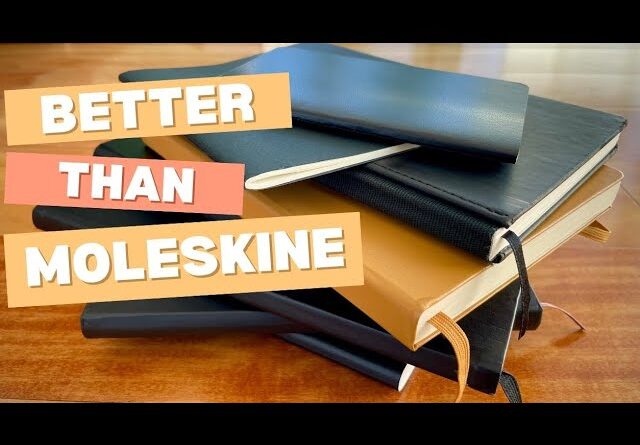
None of those features are unique anymore, but Moleskine helped make them feel standard. Many modern notebooks are effectively responding to this design: improving the paper, changing the cover material, adding better lay-flat binding, or offering more rulings while keeping the same basic silhouette.
Pros and cons after long-term use
| Pros | Cons |
|---|---|
|
|
Should you still buy one?
Buy a Moleskine Classic if you love the format, use compatible pens, and want a simple notebook that has been part of journaling culture for decades. It is still a good fit for travel notes, everyday writing, reading logs, lists, and people who like a consistent archive of similar books.
Skip it if paper performance is your top priority. If you use fountain pens heavily, brands like Leuchtturm1917, Rhodia, Clairefontaine, or Tomoe River notebooks may serve you better. Moleskine is best understood as a classic format, not the highest-performing paper notebook.
Who the Moleskine Classic still suits
The Moleskine Classic still makes the most sense for writers who value consistency, portability, and a familiar archive more than laboratory-grade paper performance. If you like having years of notebooks that line up neatly on a shelf, the format is very satisfying. The simple black cover also keeps the focus on the writing rather than the object.
For heavy ink users, though, it is worth being honest about priorities. If fountain pen friendliness is the main requirement, there are better paper-first notebooks. If you mostly use ballpoint, pencil, or drier gel pens, the Classic can still be a dependable daily journal, especially when the design itself motivates you to keep writing.
That is the fairest way to judge Moleskine today: not as the only premium notebook, but as a classic format that still works when its limits match your writing tools.
Moleskine notebook FAQ
Are Moleskine notebooks good for fountain pens?
They are not the safest choice for fountain pens. Some inks and nibs may work, but many users report feathering, show-through, or bleed-through.
Why do people still like Moleskine notebooks?
The simple design, portability, elastic closure, bookmark ribbon, back pocket, and cultural familiarity make them easy to keep using.
What is the best use for a Moleskine Classic?
It works best for everyday journaling, travel notes, lists, sketches with dry tools, and personal archives using pens that suit the paper.
Are older Moleskines better than newer ones?
Some longtime users feel older versions had a different feel, but quality varies by batch and personal preference. Testing your own pens is the safest approach.
Final Thoughts
Almost 20 years of Moleskine notebooks says something about the power of a simple tool. The paper may not be perfect, and the brand is no longer the only serious notebook option, but the design still holds emotional weight for many journalers.
If you already have a stack of Moleskines, the value is not just in the notebooks. It is in the years of writing inside them. If you are buying your first one, go in with realistic expectations: classic design, practical features, and paper that works best with the right pens. Used well, a Moleskine can still become part of a meaningful long-term journal archive.
Keep your notes in a classic everyday format
Moleskine Classic Notebook
A classic everyday notebook if you want the familiar Moleskine format and plan to use pens that match the paper well.