

Plan your week with a layout that actually helps
Leuchtturm1917 Weekly Planner
A weekly planner direction that suits simple to-do-list planning better than overbuilt goal planners, daily planners, or bullet-journal setups.
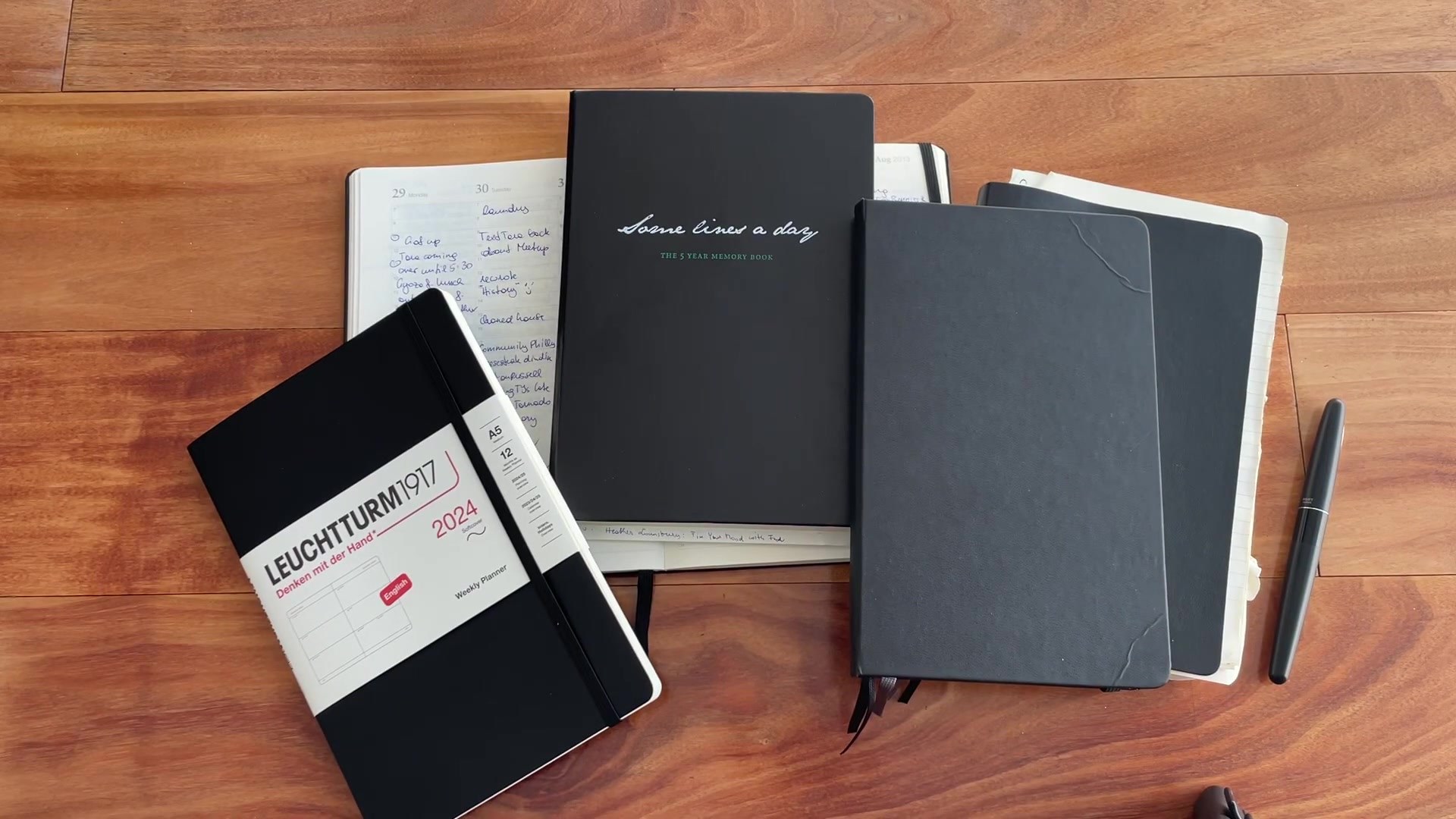
This planner journey review is less about one perfect planner and more about the process of working out what actually fits. After trying memory books, daily planners, project planners, notebooks, and bullet-journal style systems, the final direction was a weekly planner: simple, visible, and easy to keep up with.
That is the useful lesson here. A planner can be beautiful and still not work if the layout asks for more maintenance than your life can support. The best planner is usually the one that matches how you naturally plan, not the one with the most sections or the most ambitious system.
Quick verdict
The best fit from this planner journey is a Leuchtturm1917-style weekly planner, especially for someone who thinks in weekly to-do lists rather than strict daily schedules. It gives enough structure to see the week, but not so much structure that every page becomes a project. Memory books and daily planners still have a place, but the weekly layout is the most realistic everyday option.
| Planner direction | Weekly planner / weekly horizontal planning |
|---|---|
| Best for | Simple weekly to-do lists, appointments, planning routines, and low-pressure organization |
| Why it won | It balances structure with flexibility and does not require daily setup |
| Main alternative | Bullet journaling or a blank notebook if you want total freedom |
| Main warning | Do not choose a planner that needs more upkeep than you want to give it |
Why weekly planning made the most sense
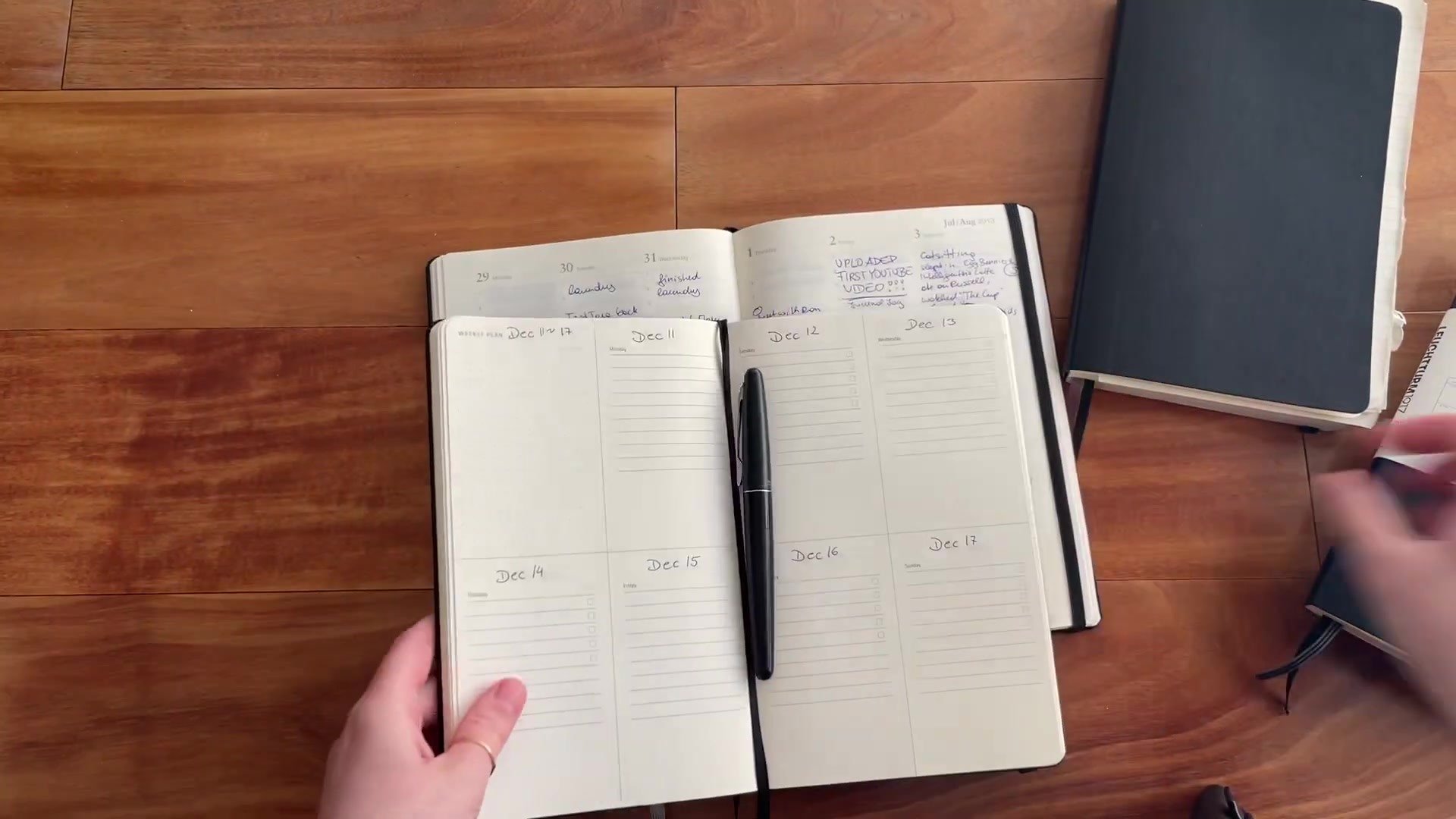
The weekly planner works because it matches the way many people actually plan. You can see the week in front of you, write down the main things that need to happen, and move tasks around without feeling like you have failed a daily page. It is structured, but not rigid.
A daily planner can be helpful for busy appointment-heavy days, but it can also create too much empty space or too much pressure. If your planning is mostly lists, reminders, and a few dated commitments, a weekly spread is often easier to maintain.

Memory books versus practical planners
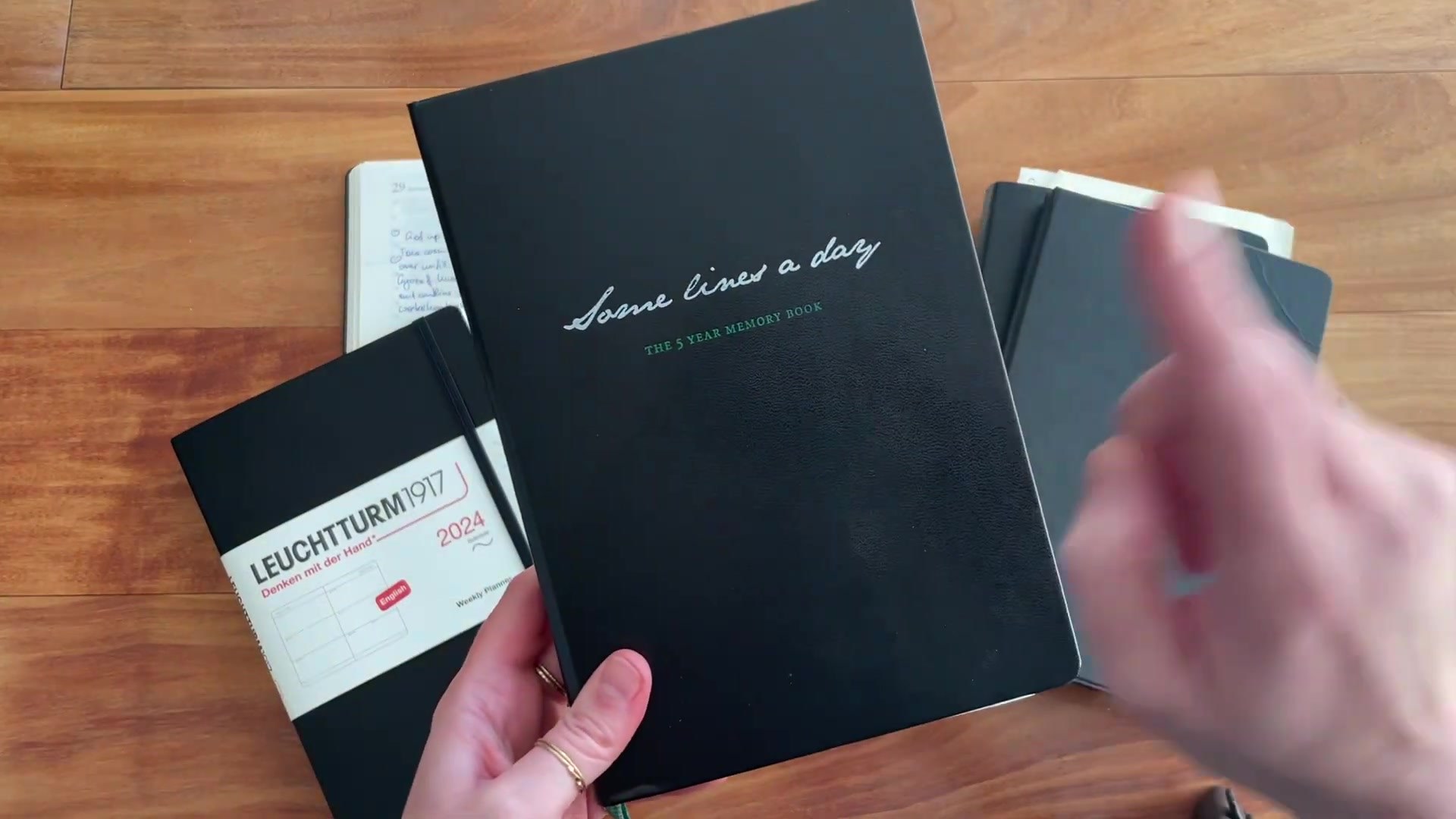
Memory books are lovely, but they solve a different problem. A memory book is about recording life, preserving moments, and creating something reflective. A practical planner is about helping the week function. Confusing those two jobs can make a planner feel heavier than it needs to.
That is why this journey separates journaling from planning. You can keep a memory book for reflection and still use a weekly planner for the practical, slightly messy work of dates, errands, tasks, and reminders.
Blank notebooks and bullet journals
A blank notebook or bullet journal gives the most freedom. You can build any layout, change it whenever you want, and avoid paying for pages you never use. The downside is that you have to create the structure yourself. For some people that is energizing. For others, it becomes another task.
If you love setting up spreads, a notebook may still be the best planner. If you mainly want to open a book and write the week down, a pre-printed weekly planner removes friction.

Planner options compared
| Option | Best use | Main drawback |
|---|---|---|
| Weekly planner | Simple weekly task planning and appointments | Less space for long daily notes |
| Daily planner | Busy days with detailed schedules | Can feel wasteful or demanding on quiet days |
| Memory book | Reflection, journaling, life recording | Not ideal as a practical task planner |
| Bullet journal | Custom layouts and flexible systems | Requires setup and consistency |
Why Leuchtturm1917 is a sensible choice
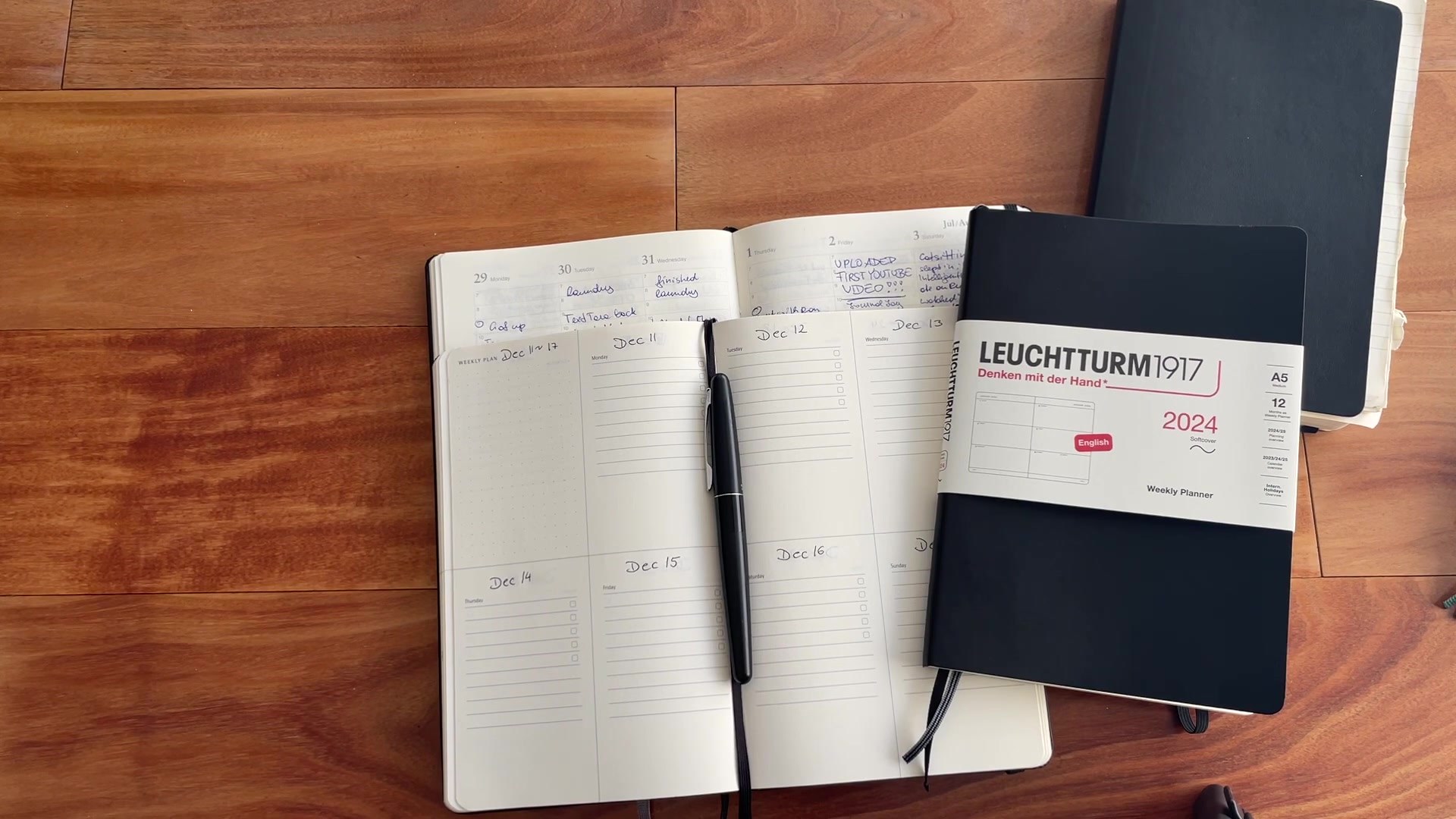
The Leuchtturm1917 weekly planner fits this style because it is clean, familiar, and easy to use. The goal is not to have the most decorative planner. The goal is to have a layout that makes the week visible and gives enough room for the lists that actually matter.
It is also a planner that does not need much explanation. Open the week, write the appointments, add the tasks, and keep moving. That low-friction quality is exactly what made it the strongest choice in this planner journey.
Who should use a weekly planner?
A weekly planner is best if you want a clear overview, do not need a full page per day, and prefer writing practical lists rather than designing elaborate layouts. It is especially good for people who plan around recurring weekly rhythms: work tasks, errands, habits, appointments, family plans, or content ideas.
Choose something else if you want memory keeping, detailed journaling, heavy daily scheduling, or complete layout freedom. The planner has to match the job.
How to choose your own planner
The easiest way to choose a planner is to ignore the planner first and look at your habits. If you naturally think in weeks, choose a weekly planner. If you need a detailed schedule every day, choose a daily planner. If you mainly want a place to think, sketch, or journal, choose a notebook or bullet journal. The planner should reduce friction, not add a new routine you have to maintain.
It also helps to separate planning from memory keeping. A practical planner can be messy, full of crossed-out tasks, and still be successful. A memory book can be slower, more reflective, and more intentional. Trying to make one book do both jobs can work, but it can also make the system feel too heavy.
For this journey, the winning setup is simple: use the weekly planner for the working week, keep longer reflections elsewhere, and avoid layouts that require constant decoration or rewriting. That makes the planner easier to reopen even after an imperfect week.
A good test is to ask what you would still use during a busy month. If the answer is only the basics — appointments, weekly tasks, and a few notes — then a simple weekly planner is probably stronger than an elaborate system. Consistency matters more than planner complexity.
Planner journey FAQ
What planner did this journey lead to?
The final direction was a Leuchtturm1917-style weekly planner because it matched simple weekly to-do-list planning better than more complicated systems.
Is a weekly planner better than a daily planner?
It depends on how you plan. A weekly planner is better for overview and task lists, while a daily planner is better for detailed day-by-day scheduling.
Is bullet journaling still a good option?
Yes, if you enjoy creating your own layouts. If setup feels like extra work, a pre-printed weekly planner may be easier to maintain.
Should journaling and planning be in the same book?
They can be, but they do different jobs. Separating a memory book from a practical planner can make both easier to use.
Final Thoughts
This planner journey shows that the right planner is not always the most impressive one. It is the one that supports your real habits. For this setup, a weekly planner won because it offered enough structure without becoming another project to maintain.
If you are choosing a planner, start with how you actually plan. If your life runs on weekly lists and a few appointments, a Leuchtturm1917-style weekly planner is a sensible, realistic choice. If you need more detail or more freedom, choose a daily planner or notebook instead.
Plan your week with a layout that actually helps
Leuchtturm1917 Weekly Planner
A clean weekly planner is worth considering if you want a low-pressure setup for appointments, recurring tasks, and week-at-a-glance to-do lists.