

Affiliate pick
Start with a simple journaling kit
A notebook you like, one reliable pen, and a low-pressure routine are enough to begin. This search keeps the setup practical rather than turning journaling into a shopping project.
If you are wondering how to start journaling, the most useful answer is also the least dramatic: make the first page easy. A beginner journal does not need a perfect system, a matching stationery shelf, or a deep reason for every entry. It needs a notebook you will actually open, a pen that feels comfortable, and a small repeatable reason to write.
In this guide I am treating journaling as a practical habit rather than a personality test. Some people use a journal for memory keeping, some for planning, some for prayer or reflection, and some simply because their head feels less crowded after a few lines on paper. The best beginner setup leaves room for all of that without making you feel behind before you have begun.
Quick verdict
| Best first setup | One notebook, one comfortable pen, and a prompt you can answer in five minutes. |
|---|---|
| Best notebook style | Lined or dot grid pages are easiest for most beginners because they support lists, paragraphs, and small sketches. |
| Best routine | Attach journaling to an existing moment: morning coffee, lunch break, or the last ten minutes before bed. |
| Biggest mistake | Trying to design a complete system before you have written enough to know what you need. |
Start with a simple reason
Before choosing a notebook, choose a reason that feels useful this week. You might want to track moods, remember small details from your day, sort out anxious thoughts, record gratitude, plan creative projects, or build a better evening routine. The reason can change later. For now, it simply gives the blank page a job.
A good beginner prompt is specific but not demanding. Try “What is taking up the most space in my head today?”, “What do I want to remember from this week?”, or “What is one thing that would make tomorrow easier?” These prompts work because they do not require a beautiful answer. They only ask you to notice something real.
Choose a notebook you will not be afraid to use
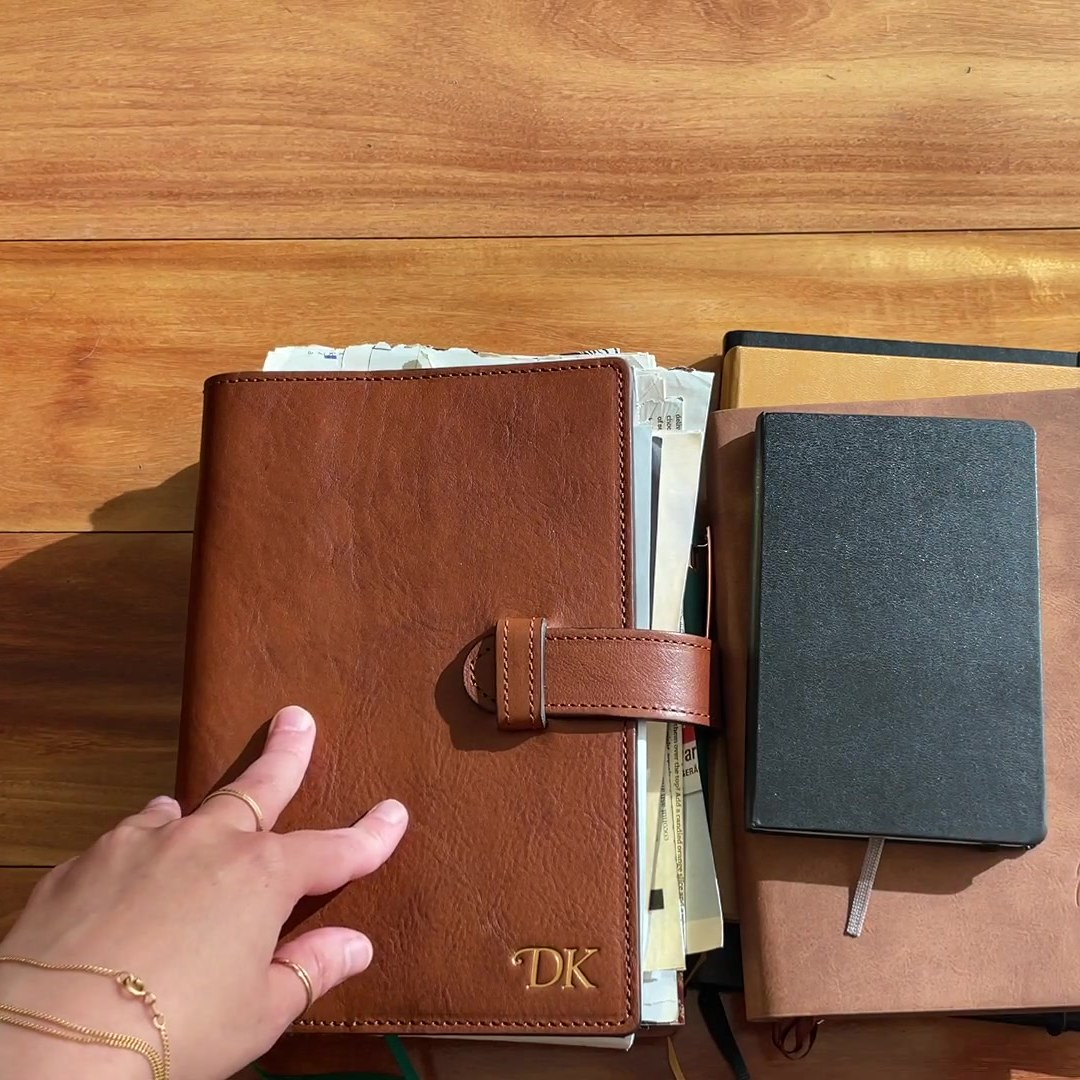
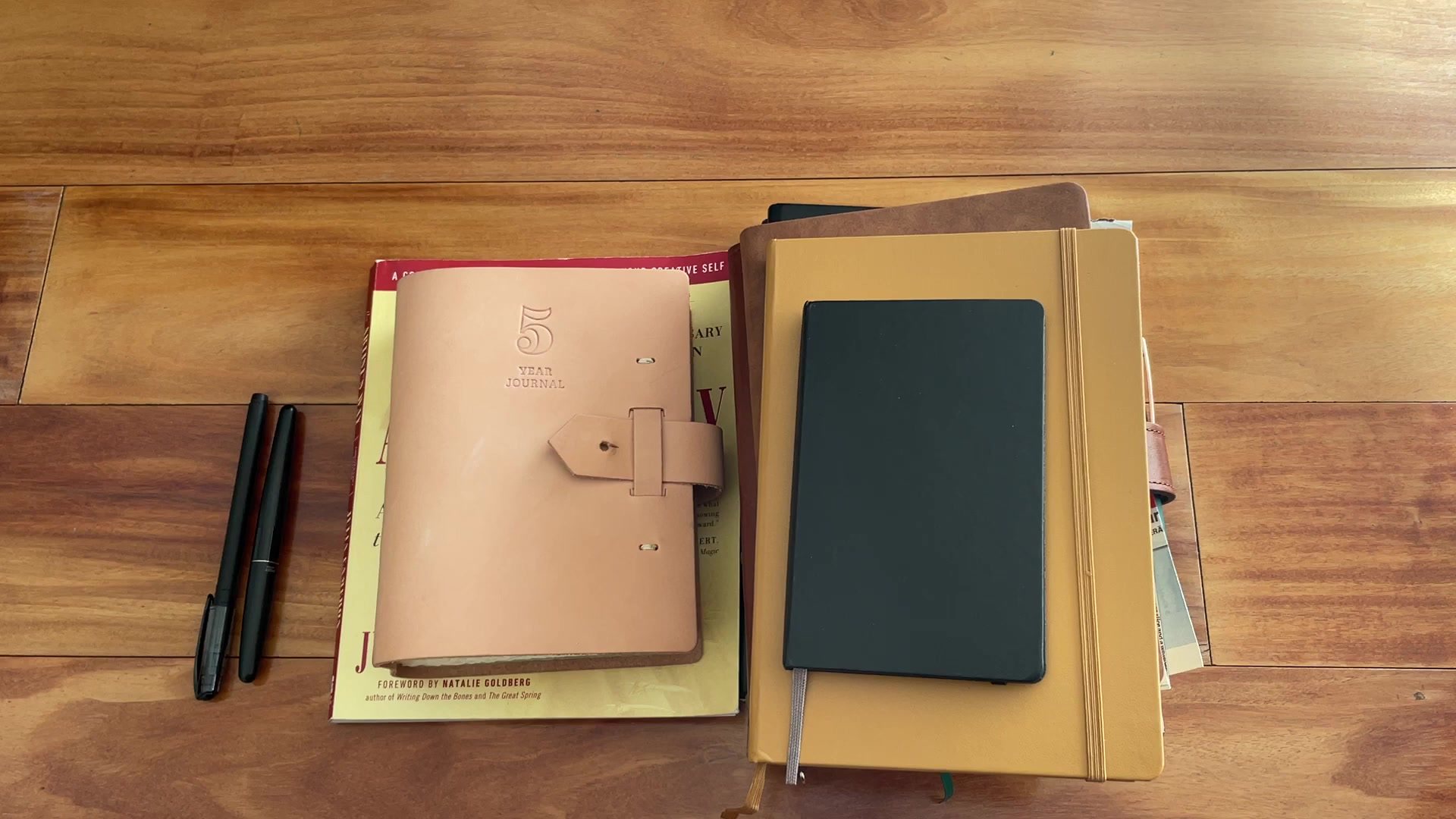
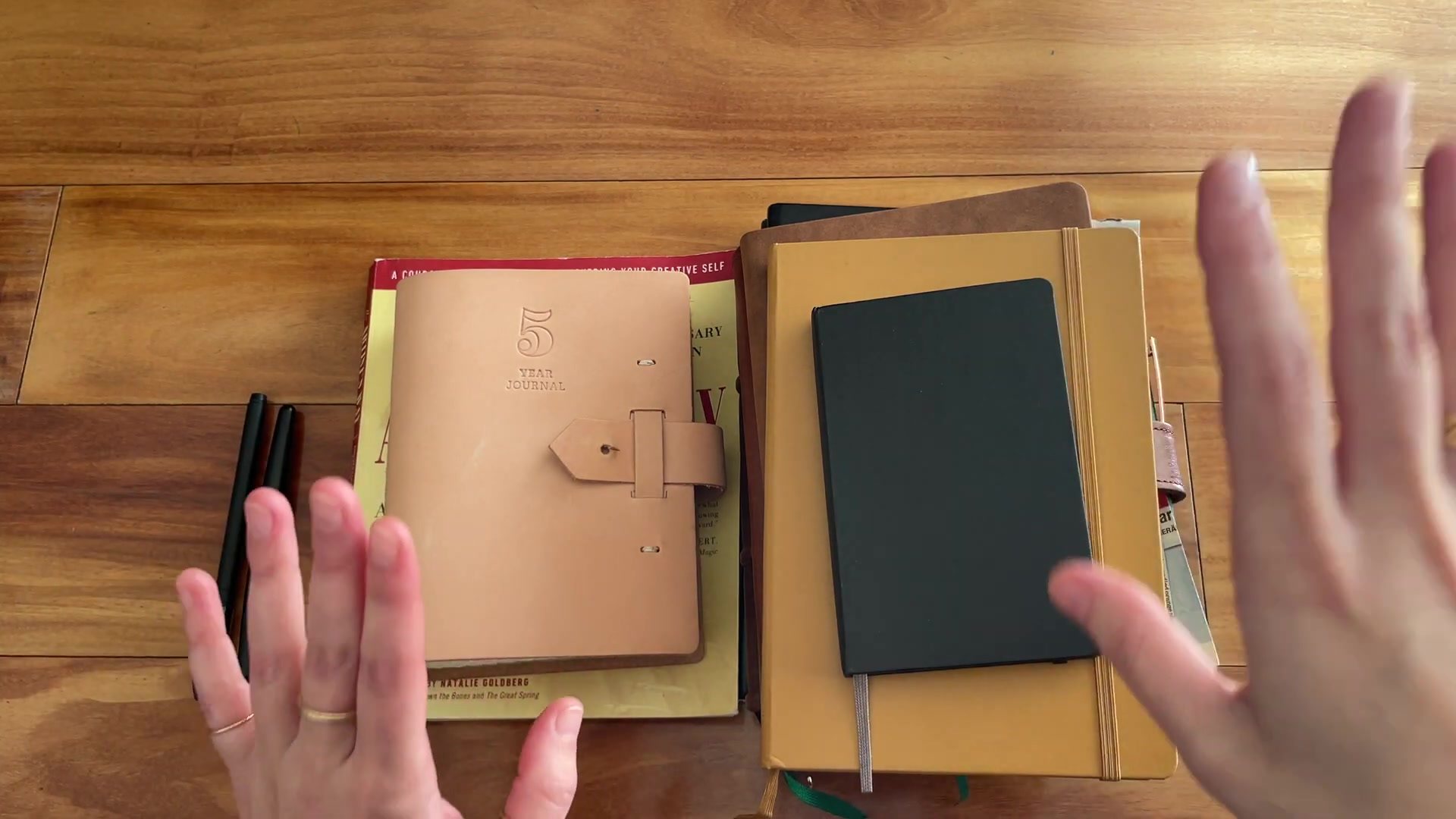
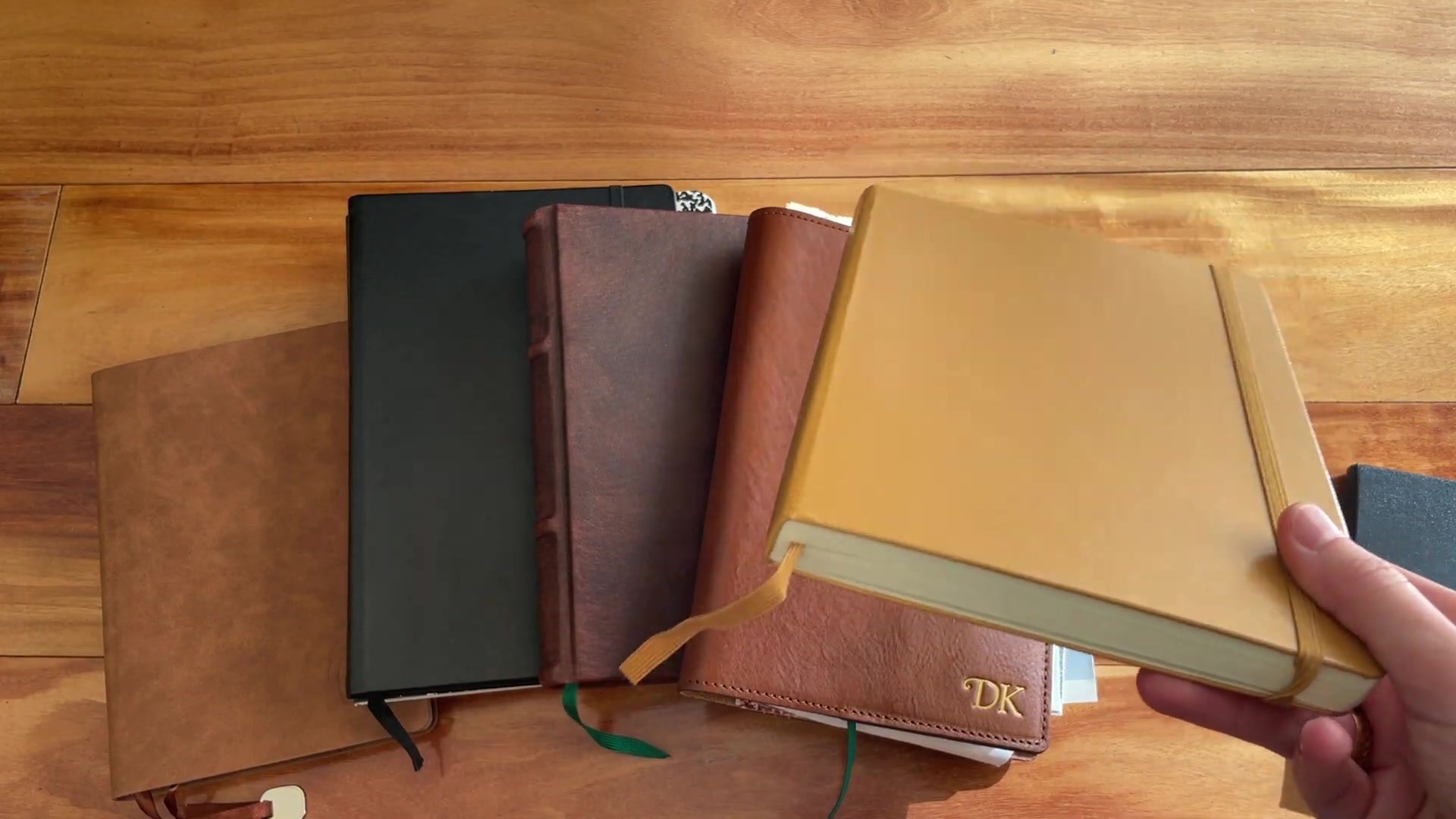
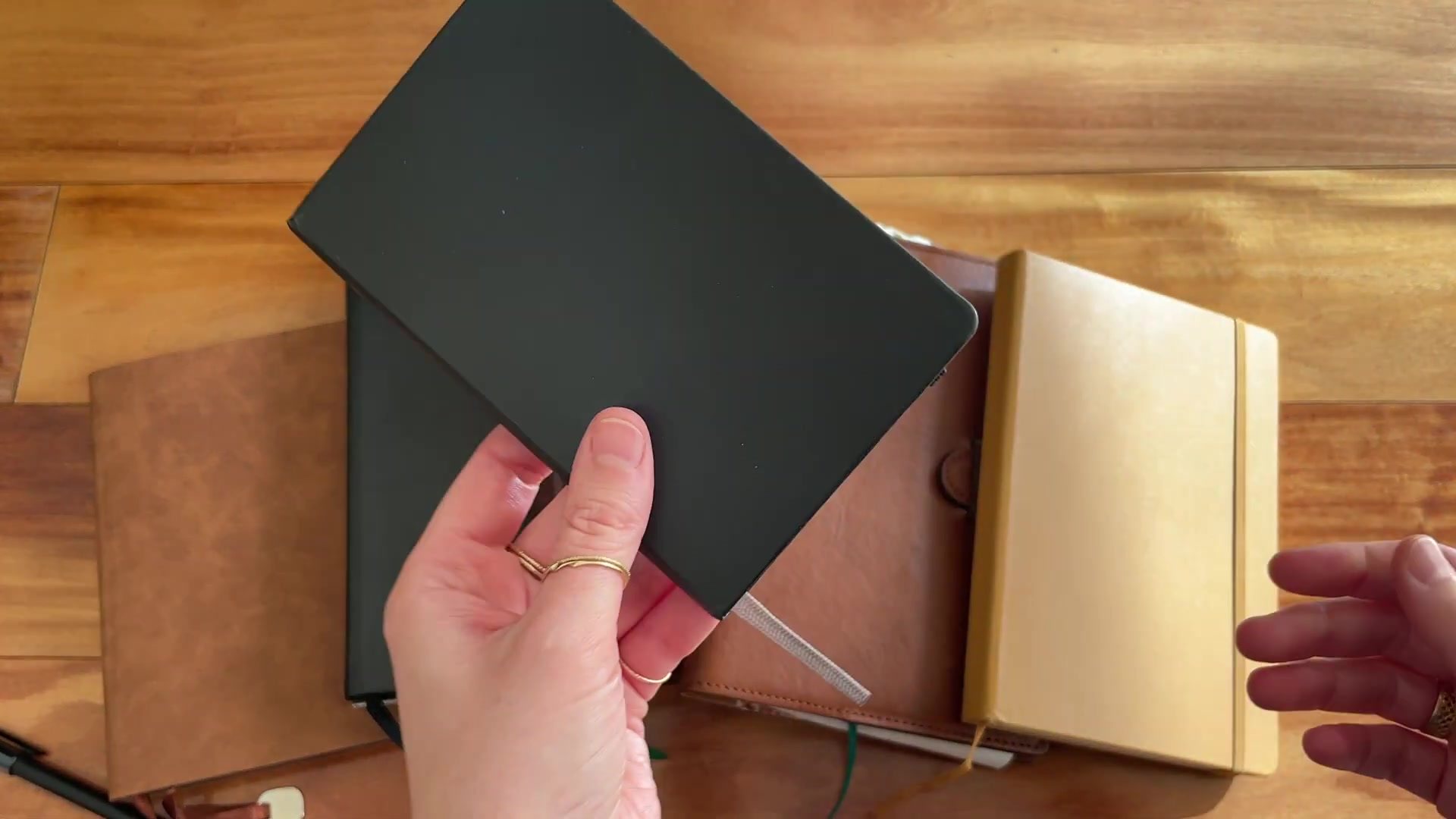
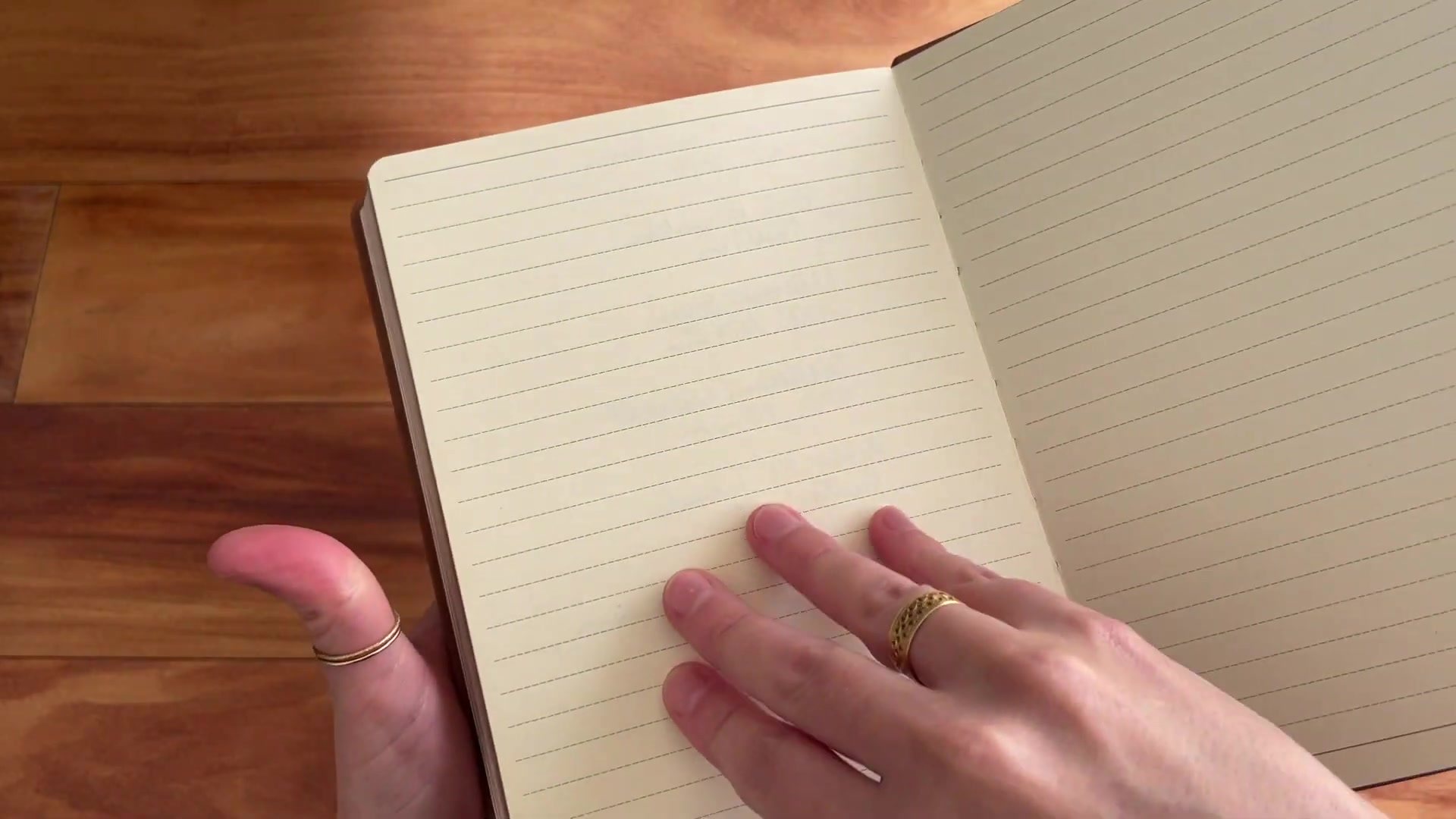
The best beginner journal is not necessarily the most expensive one. In fact, a very precious notebook can make the first page harder. If you are new to journaling, choose something pleasant but usable: paper that handles your pen, a size that fits where you write, and a cover that makes you want to pick it up.
Smaller notebooks are great for short daily check-ins and habit tracking. Larger notebooks are better if you want longer reflection, morning pages, planning spreads, or pasted-in notes. If you are unsure, start with a medium lined notebook. It gives enough room to write naturally without forcing you into a complicated layout.
Use prompts until writing feels natural
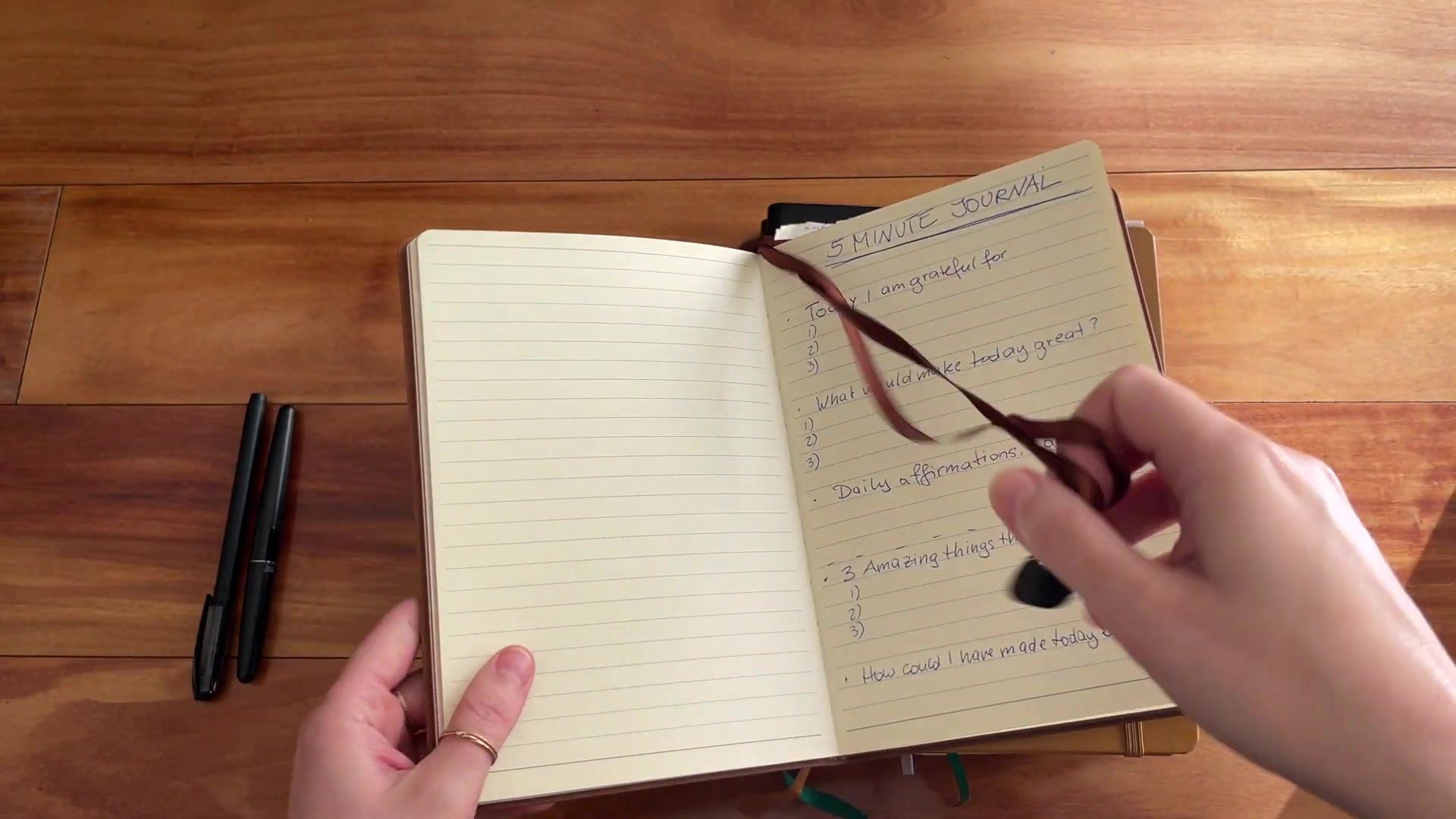
Prompts are training wheels, not rules. They help you begin on days when “write anything” feels too open. A useful beginner list might include: three things I noticed today, one problem I am trying to solve, what I am avoiding, what helped, what drained me, and one small next step.
Keep your entries short at first. Three honest lines are better than a long entry that makes you dread returning tomorrow. Once the habit is steady, you can expand into longer reflection, book notes, creative pages, or weekly reviews.
Build a routine that survives normal life
Most people do not quit journaling because they dislike it. They quit because the routine is too ambitious. A daily hour of reflection sounds inspiring, but it collapses quickly on busy days. A five-minute check-in is much more resilient, and it can still become meaningful over time.
Try setting a minimum entry: date, one sentence about the day, and one sentence about tomorrow. If you have more to say, keep going. If not, you still kept the thread alive. This removes the all-or-nothing feeling that often ruins new habits.
Beginner journaling methods compared
| Method | Best for | How to start |
|---|---|---|
| Daily check-in | Building consistency without pressure | Write the date, mood, and one line about the day. |
| Morning pages | Clearing mental clutter | Write freely for a set time instead of aiming for a perfect page count. |
| Prompt journal | Beginners who freeze on blank pages | Keep a short prompt list inside the cover. |
| List journal | Busy weeks and practical planning | Use bullets for wins, worries, tasks, ideas, and things to remember. |
| Memory keeping | Recording ordinary life | Capture one detail a future version of you would enjoy rereading. |
Let the journal change with you
Your first format probably will not be your final format, and that is a good thing. The notebook teaches you what you actually use. You may discover that long entries help during stressful seasons, while simple lists work better during busy ones. You may start with prompts and later prefer free writing. You may find that some pages are private processing and others are practical planning.
Do not restart the notebook every time your style changes. Just turn the page and keep going. Mixed journals are often the most useful because they reflect real life: plans, questions, lists, quotes, messy emotions, small wins, and unfinished thoughts all in one place.
Common beginner mistakes
The first mistake is overbuying. Nice stationery is fun, but buying ten notebooks can delay the actual habit. The second is judging entries too quickly. A journal is not supposed to sound impressive while you are writing it. The third is forcing one method forever. If a format makes you avoid the page, simplify it.
Also be careful with perfectionism around missed days. You do not need to catch up. Write today’s date and continue. The value comes from returning, not from maintaining an unbroken streak.
FAQ
How often should a beginner journal?
Start with three to five times a week or a tiny daily minimum. Consistency matters more than length, especially in the first month.
What should I write on the first page?
Write why you are starting, what you hope journaling will help with, or a simple list of things currently on your mind. It does not need to be profound.
Is it better to journal in the morning or at night?
Morning is good for intention setting; night is good for reflection. Choose the moment you can repeat most easily.
Do I need prompts to journal?
No, but prompts are helpful when you are new. Use them until writing begins to feel natural, then keep only the ones that serve you.
Final thoughts
Starting a journal is less about finding the perfect notebook and more about lowering the barrier to the first honest sentence. Keep the setup simple, choose a prompt that helps today, and let your pages become useful before you worry about making them beautiful.
If you want a practical starting point, pick one notebook and one pen, put them somewhere visible, and write a short entry tonight. That is enough to begin.
Affiliate pick
Start with a simple journaling kit
A notebook you like, one reliable pen, and a low-pressure routine are enough to begin. This search keeps the setup practical rather than turning journaling into a shopping project.