

Choose a journal you’ll actually want to fill
Pocket Notebook Journaling Starter Setup
A low-pressure way to restart journaling: a cheap pocket notebook, a simple pen, and eventually a regular journal once the habit feels natural again.
Shop pocket notebooks on AmazonAdd simple ballpoint pensBrowse leather journals
Getting back into journaling can feel surprisingly hard when you have been away from it for a while. This video is not really about a single notebook review. It is about the small, practical things that made journaling feel approachable again after a long slump. For a while, writing was only happening sporadically, and the excitement around notebooks had gone quiet.
The thing that helped was not buying the perfect journal or creating a complicated system. It was much simpler than that: start with a small pocket notebook, carry it everywhere, and write down ordinary things. Lists, quick observations, notes from books or YouTube videos, tiny diary entries, errands, reminders, and random thoughts all count.
Quick verdict: the easiest way to get back into journaling
The easiest way to restart journaling is to remove the pressure. Use a cheap pocket notebook, pair it with a simple pen, and carry it with you every day. Do not ask the notebook to become a perfect record of your life. Let it be messy, practical, and ordinary. Once writing becomes normal again, moving back into a regular journal feels much easier.
| Best starting point | A small, cheap pocket notebook you can carry without worrying about it. |
|---|---|
| What to write | To-do lists, shopping lists, thoughts, observations, notes from videos/books, and short daily entries. |
| Main benefit | It makes journaling feel easy and useful before it needs to feel deep or polished. |
| Next step | Move into a regular journal once the writing habit feels natural again. |
| Recommended tools | One pocket notebook, one simple pen, and a larger journal waiting in the background. |
Why journaling stopped feeling natural
Journaling slumps are normal. Sometimes the creative feeling disappears, sometimes life gets busy, and sometimes a hobby that used to feel exciting starts to feel like one more thing to maintain. In this case, the break was not only from journaling but also from posting as much about journals and notebooks. The technical side of making videos and keeping up with content had become part of the friction.
That matters because journaling is also partly about connection. Even though it is a private habit, watching other people talk about notebooks, favorite formats, and daily writing routines can make the whole practice feel alive again. Sometimes seeing someone else use a notebook is enough to remind you why you liked writing things down in the first place.
The pocket notebook method
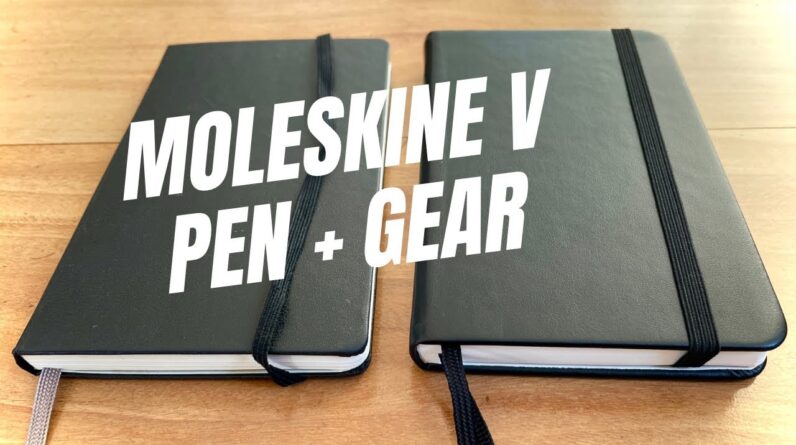
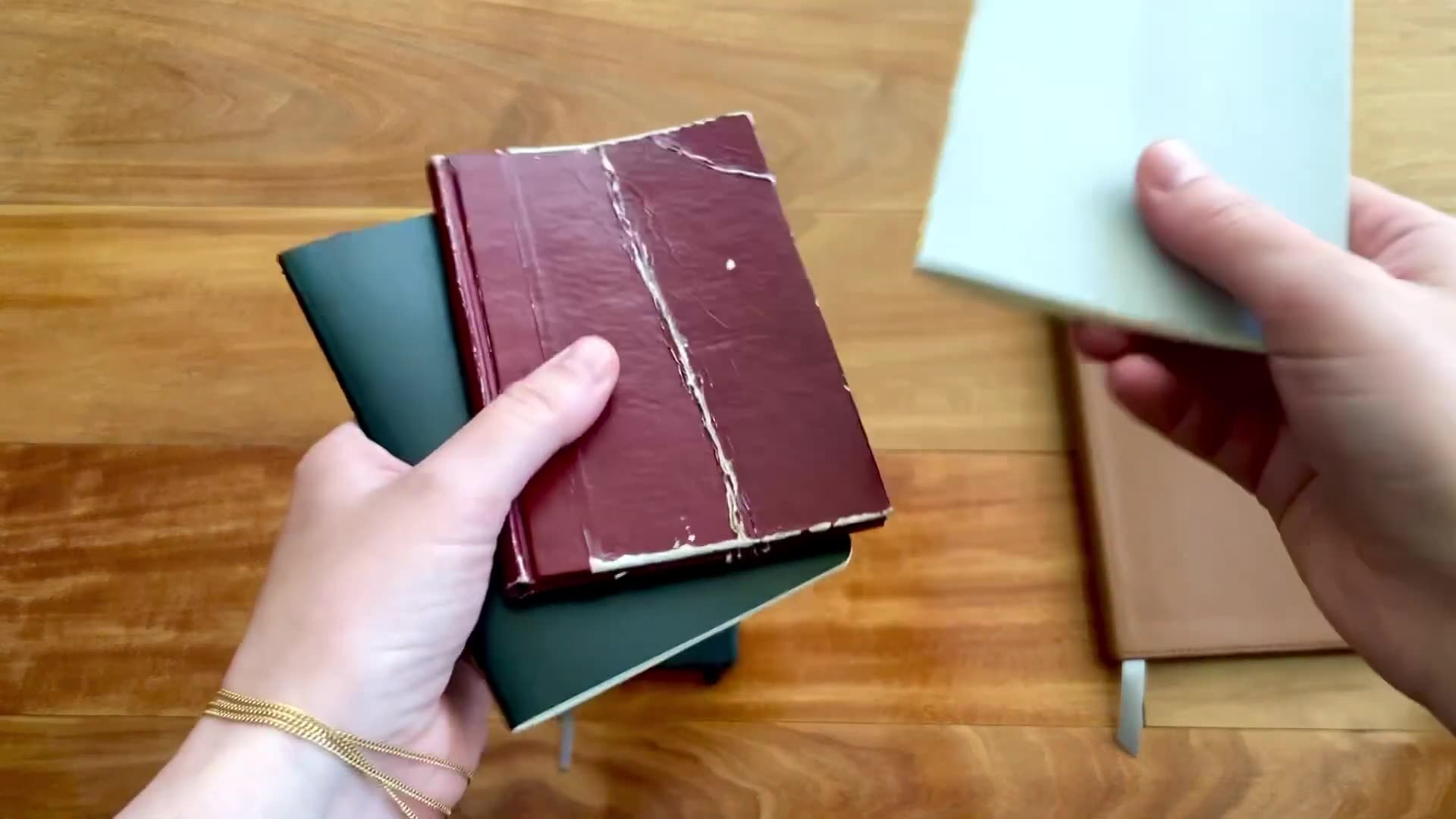
The pocket notebook worked because it was easy to carry and easy to use. A small notebook with 40 or 50 pages does not feel intimidating. It can slide into a pocket, hoodie, bag, or desk drawer, and it does not ask for perfect entries. That makes it very different from a beautiful journal that can accidentally create pressure.
With a pocket notebook, the point is simply to write. You can jot down a shopping list, a sentence about your day, an idea from a video, a quote from a book, or a random reminder. None of it has to be important. The value is in rebuilding the habit of reaching for paper instead of letting every thought disappear into your phone.

Do not start too fancy
One of the best pieces of advice here is to avoid going too fancy at the beginning. A beautiful expensive journal can be motivating, but it can also make journaling feel heavier than it needs to be. If you are already struggling to write, the pressure to fill a nice notebook with meaningful entries can make it harder to start.
A cheap notebook solves that problem. You can beat it up, carry it everywhere, bend it, fill it with lists, and not worry about wasting pages. That freedom is exactly what helps you get moving again. Once the habit returns, then a nicer journal can become exciting instead of intimidating.
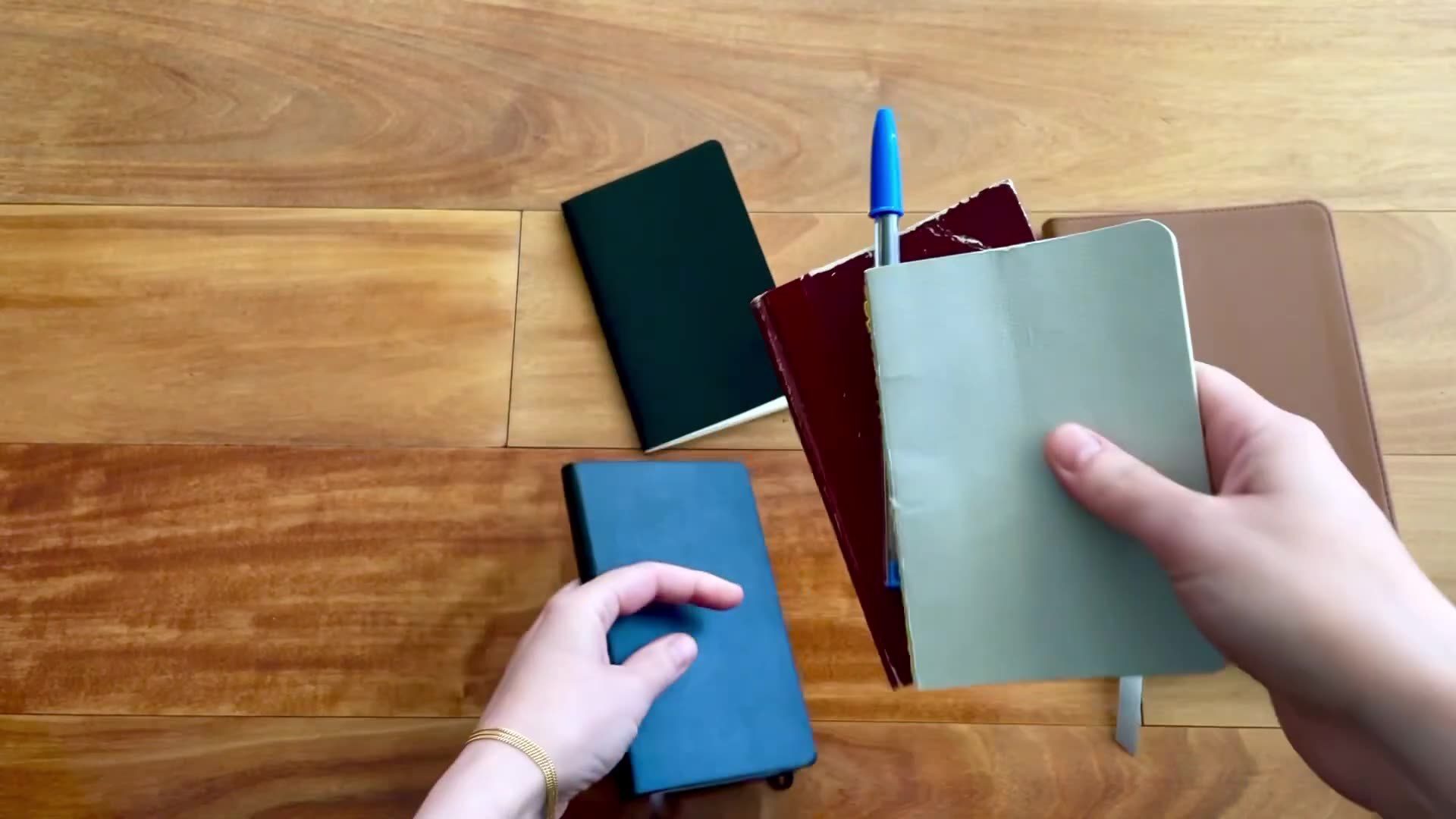
How casual notes turn into regular journaling
The interesting part is that the pocket notebook did not stay separate from journaling. It became the bridge back into it. By writing small notes throughout the day, the act of writing started to feel natural again. Then it became easier to open a more regular journal and write longer entries.
That is why this method works so well. It does not demand a full journaling practice on day one. It lets you rebuild the muscle gradually. A few lists and random notes can lead to short reflections, and short reflections can lead to more consistent journaling. The habit grows because it is useful, not because you forced it.
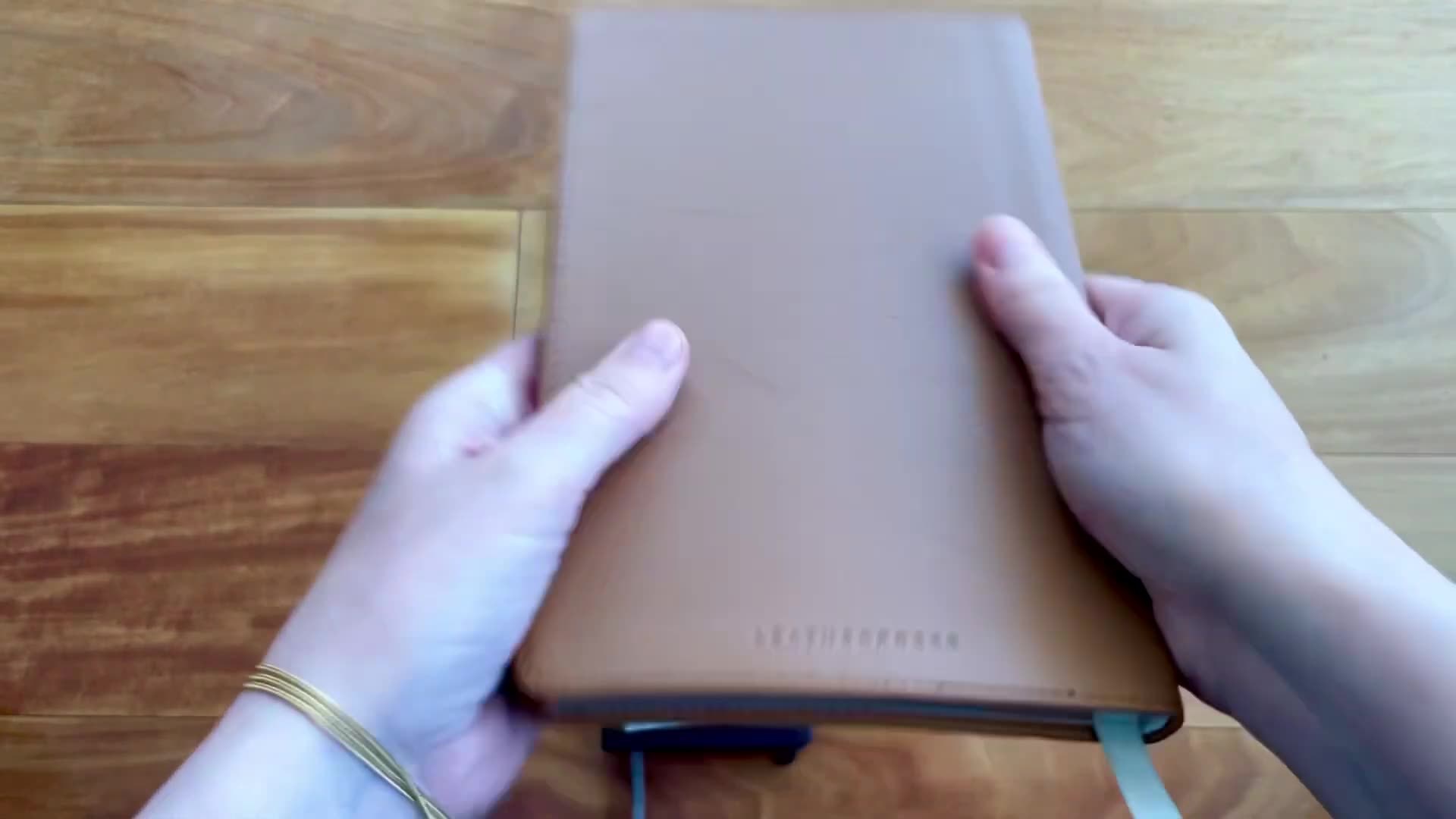
Pros and cons of restarting with pocket notebooks
| Pros | Cons |
|---|---|
|
|
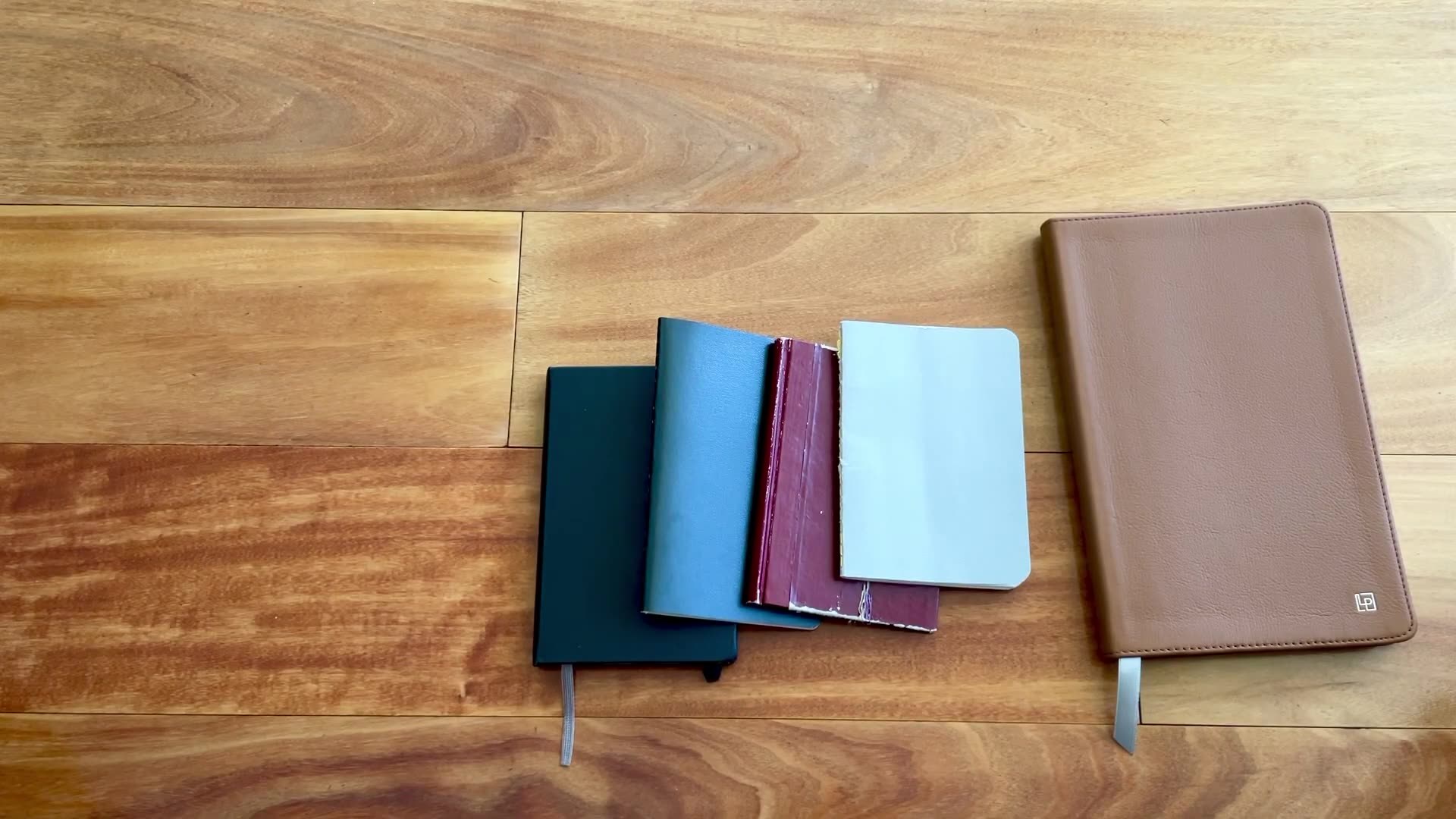
A mix of cheap pocket notebooks and a nicer journal gives you both low-pressure notes and longer writing space. The pocket notebooks keep the habit alive during the day, while the larger journal gives you somewhere to expand the thoughts that keep coming back.
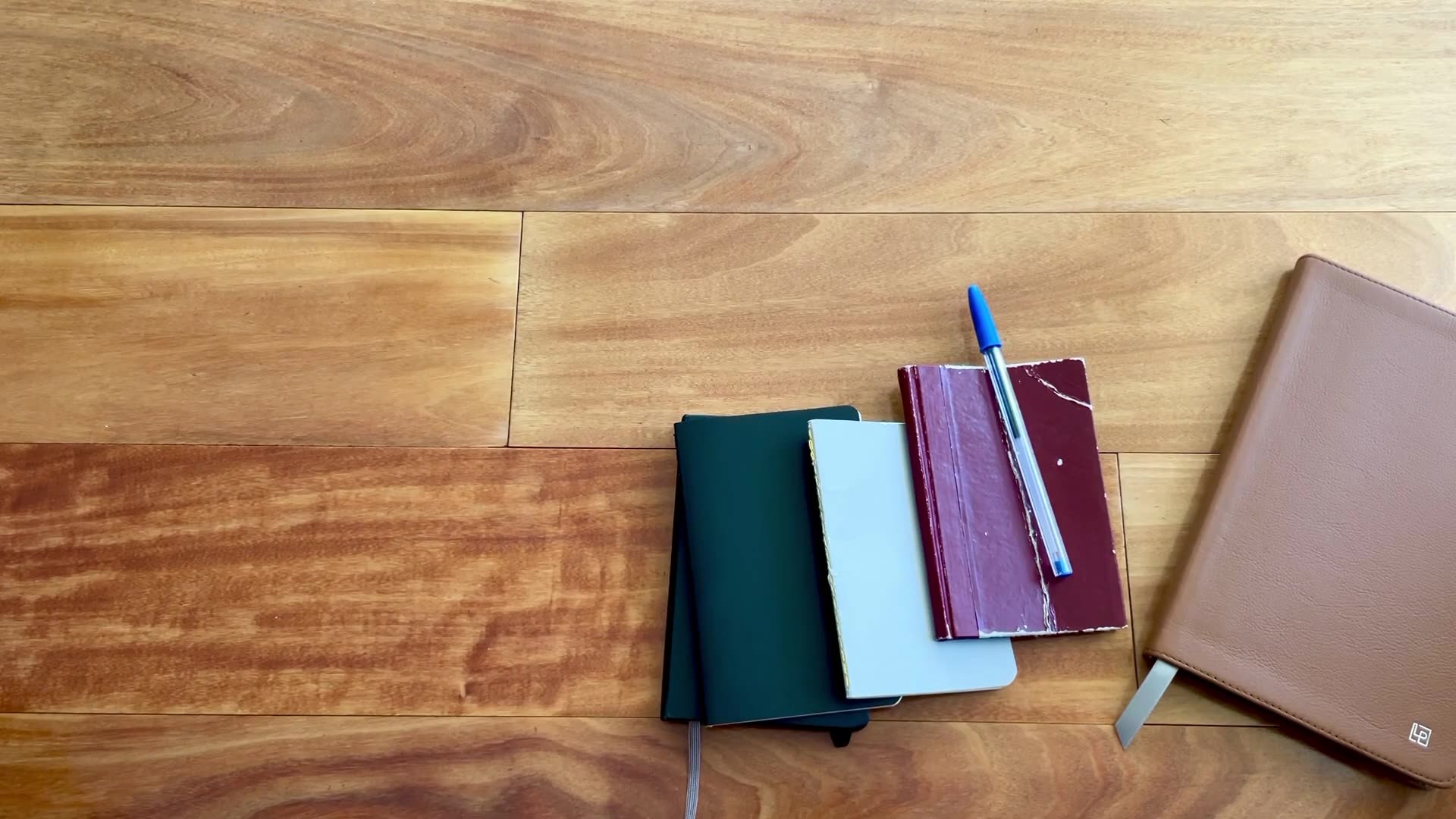
A simple way to restart this week
If you want to try the same approach, keep it deliberately basic. Pick one small notebook, put one reliable pen with it, and choose a tiny daily prompt such as “one thing I noticed today” or “three things I need to remember.” Do that for a week before changing anything. The less you optimize the setup, the easier it is to begin.
After a week or two, look back through the pocket notebook and notice what kinds of notes you actually made. Those notes will tell you what your journaling habit wants to be. Maybe it is mostly planning, maybe it is memory keeping, maybe it is emotional processing, or maybe it is just a way to stay organized. Let the real use guide the next notebook.
Getting back into journaling FAQ
What is the easiest way to get back into journaling?
Start with a small, inexpensive pocket notebook and write ordinary things: lists, notes, reminders, short reflections, and observations. Make it useful before trying to make it beautiful.
Why use a cheap notebook instead of a nice journal?
A cheap notebook removes pressure. You are less worried about wasting pages, making mistakes, or writing something important, which makes it easier to restart the habit.
What should I write if I do not know what to journal about?
Write anything practical: to-do lists, shopping lists, notes from videos or books, what happened that day, or one sentence about how you feel. The goal is to start writing again.
When should I move back to a regular journal?
Move back when writing starts to feel natural again. Pocket notebooks can rebuild the habit first, then a regular journal can give you more space for longer entries.
Final Thoughts
The biggest lesson is that journaling does not have to restart in a dramatic way. You do not need a perfect notebook, a perfect routine, or a perfect first entry. A small pocket notebook and a simple pen can be enough. Carry it around, write ordinary things, and let the habit become part of your day again.
Once the pressure is gone, journaling becomes easier to return to. The pocket notebook works because it is practical and forgiving. It gives you a place for messy notes and tiny entries, and that can eventually lead back to longer, more reflective journaling. If you are stuck, start small, keep it cheap, and let the notebook be used rather than admired.
Choose a journal you’ll actually want to fill
Pocket Notebook Journaling Starter Setup
Start small with pocket notebooks and a simple pen, then move into a fuller journal once writing feels natural again.
Shop pocket notebooks on AmazonAdd simple ballpoint pensBrowse leather journals